
R-6.01: Herp Conservation
Updated
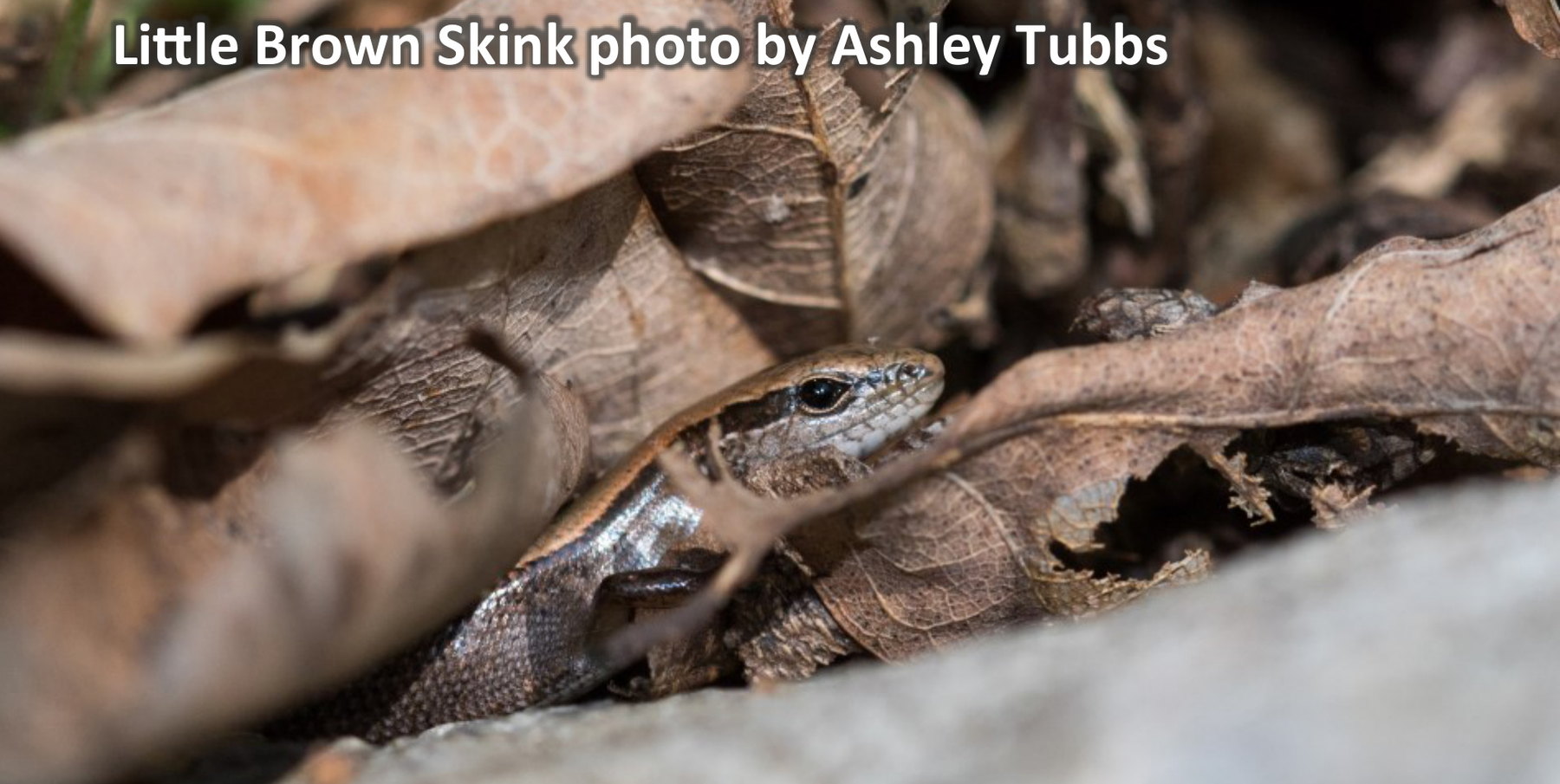
Herp Conservation
Reptiles and amphibians are in crisis. While there are still many species that are listed as “demonstrably secure” or of “least concern,” there are far too many that are in peril or endangered. It is well known that amphibians and Chelonians (turtles, tortoises, and sea turtles) have been in drastic decline for some time. The secretive and solitary nature of snakes has meant that their distribution and population densities have been poorly understood, but studies continue to confirm suspicions that serpents are also becoming fewer. Lizards, while seemingly more secure than other kinds of herps, nonetheless face their own difficulties. This is a worldwide and alarming trend. There are many factors contributing to this decline.
Some major factors are:
- Habitat destruction, degradation, and fragmentation (this is generally acknowledged to be the primary cause of wildlife decline)
- Collection for food and pet trade
- Climate change
- Pollution including pesticides, hormones, and altered pH levels
- Disease, e.g., Chytrid Fungi, Ranavirus, Mycoplasma agassizii in Gopher Tortoises, Snake Fungal Disease
- Incidental (collateral) mortality, such as sea turtles caught in commercial fishing nets
- Direct human interference, such as killing snakes on sight
- Introduced species, e.g., cats, rats, and goats
Some of these may be difficult for the individual naturalist to see a way to change. However, although these are global issues, change typically begins locally. If our goal is, as the saying goes, to “be the change we wish to see,” our successful efforts will often spread and gain traction. Regardless of what the rest of the world does, many of these items must be addressed locally each place they occur. Mitigation of invasive species, for example, can and should be addressed at the state or local level. Curbing the wanton and needless killing of harmless and beneficial animals such as snakes is behavior we can confront when we encounter it. The collection of wild herps for food and the pet trade puts tremendous pressure on local populations, and each state should work to carefully regulate this activity. Not to be overlooked is the option also to get involved with various global conservation organizations. There are many that could certainly use all the help they can get.
Do not let being “just one person” deter you! The more we consider these issues, the more wisdom you will find in the adage, “Think Globally—Act Locally.”
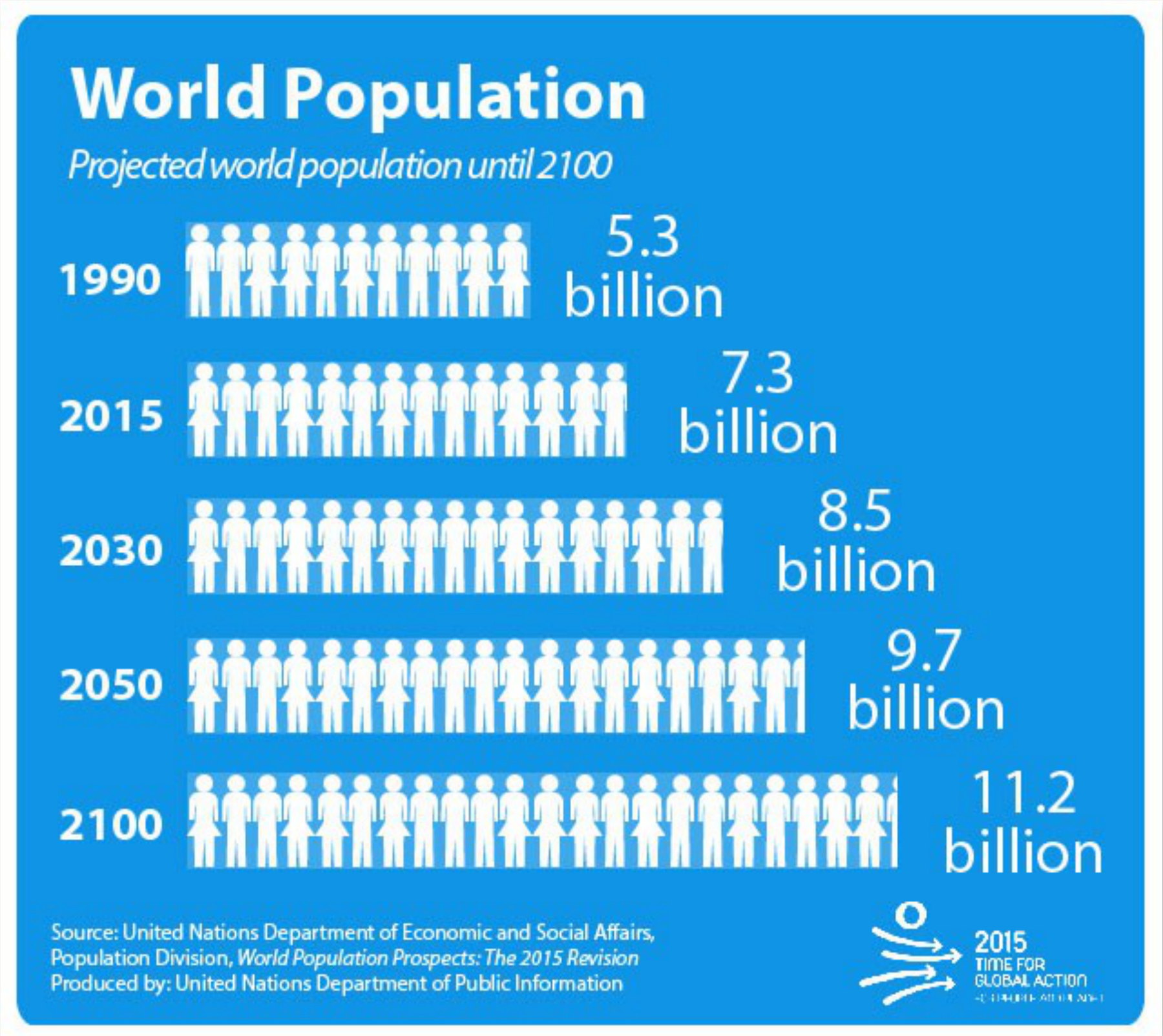
Human population, land use, and consumption continue to place growing pressure on habitat and biodiversity. Species lost during that expansion cannot be recovered, so reducing our individual and collective impact remains an important conservation goal.
Sources (4)
- C. J. Reading, L. M. Luiselli, G. C. Akani, X. Bonnet, G. Amori, J. M. Ballouard, E. Filippi, G. Naulleau, D. Pearson, L. Rugiero. 2010. Are snake populations in widespread decline? Biology Letters 6(6):777-780. https://doi.org/10.1098/rsbl.2010.0373
- Jennifer A. Luedtke, Janice Chanson, Kelsey Neam, Louise Hobin, Adriano O. Maciel, Alessandro Catenazzi, Amaël Borzée, Amir Hamidy, Anchalee Aowphol, Anderson Jean, Ángel Sosa-Bartuano, Ansel Fong G., Anslem de Silva, Antoine Fouquet, Ariadne Angulo, Artem A. Kidov, Arturo Muñoz Saravia, Arvin C. Diesmos, Atsushi Tominaga, Biraj Shrestha, Brian Gratwicke, Burhan Tjaturadi, Carlos C. Martínez Rivera, Carlos R. Vásquez Almazán, Celsa Señaris, S. R. Chandramouli, Christine Strüssmann, Claudia Fabiola Cortez Fernández, Claudio Azat, Conrad J. Hoskin, Craig Hilton-Taylor, Damion L. Whyte, David J. Gower, Deanna H. Olson, Diego F. Cisneros-Heredia, Diego José Santana, Elizah Nagombi, Elnaz Najafi-Majd, Evan S. H. Quah, Federico Bolaños, Feng Xie, Francisco Brusquetti, Francisco S. Álvarez, Franco Andreone, Frank Glaw, Franklin Enrique Castañeda, Fred Kraus, Gabriela Parra-Olea, Gerardo Chaves, Guido F. Medina-Rangel, Gustavo González-Durán, H. Mauricio Ortega-Andrade, Iberê F. Machado, Indraneil Das, Iuri Ribeiro Dias, J. Nicolas Urbina-Cardona, Jelka Crnobrnja-Isailović, Jian-Huan Yang, Jiang Jianping, Jigme Tshelthrim Wangyal, Jodi J. L. Rowley, John Measey, Karthikeyan Vasudevan, Kin Onn Chan, Kotambylu Vasudeva Gururaja, Kristiina Ovaska, Lauren C. Warr, Luis Canseco-Márquez, Luís Felipe Toledo, Luis M. Díaz, M. Monirul H. Khan, Madhava Meegaskumbura, Manuel E. Acevedo, Marcelo Felgueiras Napoli, Marcos A. Ponce, Marcos Vaira, Margarita Lampo, Mario H. Yánez-Muñoz, Mark D. Scherz, Mark-Oliver Rödel, Masafumi Matsui, Maxon Fildor, Mirza D. Kusrini, Mohammad Firoz Ahmed, Muhammad Rais, N’Goran G. Kouamé, Nieves García, Nono Legrand Gonwouo, Patricia A. Burrowes, Paul Y. Imbun, Philipp Wagner, Philippe J. R. Kok, Rafael L. Joglar, Renoir J. Auguste, Reuber Albuquerque Brandão, Roberto Ibáñez, Rudolf von May, S. Blair Hedges, S. D. Biju, S. R. Ganesh, Sally Wren, Sandeep Das, Sandra V. Flechas, Sara L. Ashpole, Silvia J. Robleto-Hernández, Simon P. Loader, Sixto J. Incháustegui, Sonali Garg, Somphouthone Phimmachak, Stephen J. Richards, Tahar Slimani, Tamara Osborne-Naikatini, Tatianne P. F. Abreu-Jardim, Thais H. Condez, Thiago R. De Carvalho, Timothy P. Cutajar, Todd W. Pierson, Truong Q. Nguyen, Uğur Kaya, Zhiyong Yuan, Barney Long, Penny Langhammer, Simon N. Stuart. 2023. Ongoing declines for the world’s amphibians in the face of emerging threats. Nature 622(7982):308-314. https://doi.org/10.1038/s41586-023-06578-4
- Neil Cox, Bruce E. Young, Philip Bowles, Miguel Fernandez, Julie Marin, Giovanni Rapacciuolo, Monika Böhm, Thomas M. Brooks, S. Blair Hedges, Craig Hilton-Taylor, Michael Hoffmann, Richard K. B. Jenkins, Marcelo F. Tognelli, Graham J. Alexander, Allen Allison, Natalia B. Ananjeva, Mark Auliya, Luciano Javier Avila, David G. Chapple, Diego F. Cisneros-Heredia, Harold G. Cogger, Guarino R. Colli, Anslem de Silva, Carla C. Eisemberg, Johannes Els, Ansel Fong G., Tandora D. Grant, Rodney A. Hitchmough, Djoko T. Iskandar, Noriko Kidera, Marcio Martins, Shai Meiri, Nicola J. Mitchell, Sanjay Molur, Cristiano de C. Nogueira, Juan Carlos Ortiz, Johannes Penner, Anders G. J. Rhodin, Gilson A. Rivas, Mark-Oliver Rödel, Uri Roll, Kate L. Sanders, Georgina Santos-Barrera, Glenn M. Shea, Stephen Spawls, Bryan L. Stuart, Krystal A. Tolley, Jean-François Trape, Marcela A. Vidal, Philipp Wagner, Bryan P. Wallace, Yan Xie. 2022. A global reptile assessment highlights shared conservation needs of tetrapods. Nature 605(7909):285-290. https://doi.org/10.1038/s41586-022-04664-7
- IUCN. 27 April 2022. Comprehensive Study of World’s Reptiles: More Than One in Five Reptile Species are Threatened with Extinction. https://iucn.org/news/species/202204/comprehensive-study-worlds-reptiles-more-one-five-reptile-species-are-threatened-extinction