Anoles
Get to know the anoles.
The United States has one native anole and a growing cast of introduced ones. Puerto Rico and the U.S. Virgin Islands add fourteen native species of their own, Jamaica six, and the Lesser Antilles, from Anguilla down to Grenada and across to Aruba, twenty-seven more, most of them found on a single island. Costa Rica, our first mainland country, adds thirty-six, from lowland rainforest to cloud forest. Mexico adds fifty-three more, from the dry forest of the Yucatán to the pine-oak mountains of Oaxaca and Guerrero. This corner of the site is for all of them, and it grows region by region. Free, and in beta.
No AI-generated answers. Built from real sources and fixed rules.What this meansClose
When you use this tool, no AI writes your answer. The result comes from rules we set ahead of time, applied to information gathered from sources such as field guides, scientific records and our own courses. It is not made up on the spot.
AI did help us build it: writing code, organizing information and drafting some of the drawings.
Anoles are the quick little lizards on fences, walls and shrubs, the ones that flash a bright throat fan. Meet them, test yourself on those fans, and get straight answers to the questions people ask most.
- Meet the Anoles 138 anoles found in the places we cover, native and introduced, with photos and how to tell them apart.
- Whose Dewlap Is This? A ten-round photo quiz on throat fans. Share your score when you are done.
- Green or Brown? Anole questions answered Color changes, dropped tails, chameleon mix-ups and which anoles are native.
Live now: United States; Puerto Rico and the U.S. Virgin Islands; Jamaica; Lesser Antilles; Costa Rica; Mexico.
Expanding soon: Hispaniola and Cuba; Central and South America.
Go deeper
Keep learning with a course.
Everything on this page is free to use. If you would like to go further, our courses are self-paced and grounded in science, with no deadlines, and the free one is a good place to start.
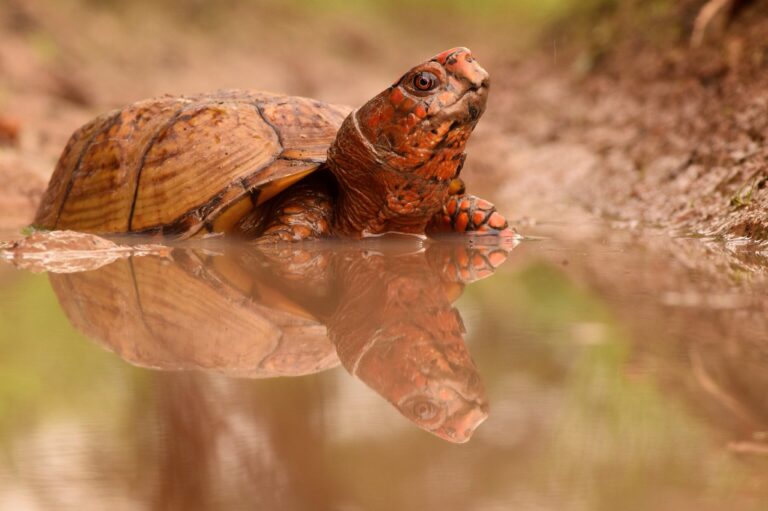
Certified Herpetological Guide
Covers the biology and the conservation, then pushes further: how to talk about these animals with people who are afraid of them.
Self-paced · $149.00
View Full Details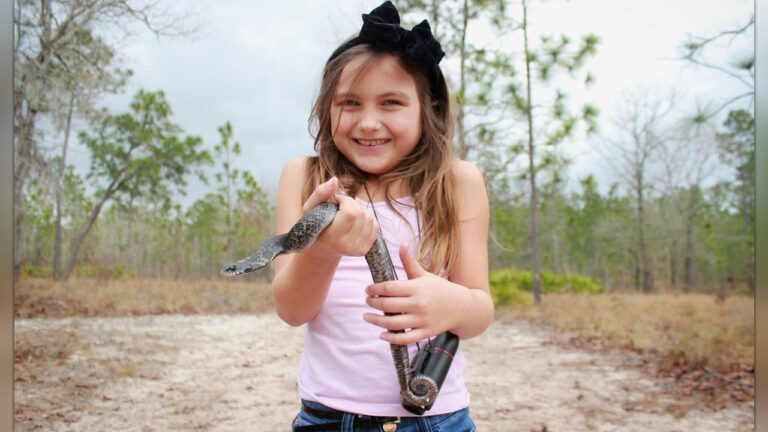
Certified Junior Herpetologist
The certification track written at a younger reading level, with adult-partnered fieldwork.
Self-paced · $109.00
View Full Details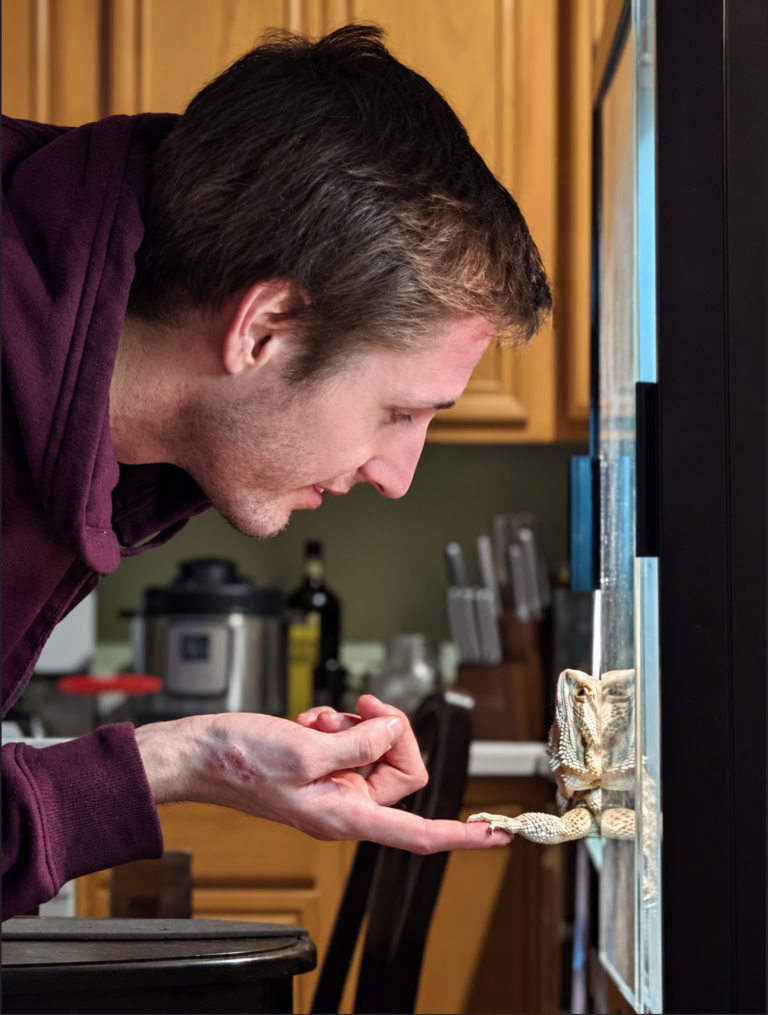
Foundations of Herpetological Husbandry
Science-based care for reptiles and amphibians in human care.
Self-paced · $49.00
View Full Details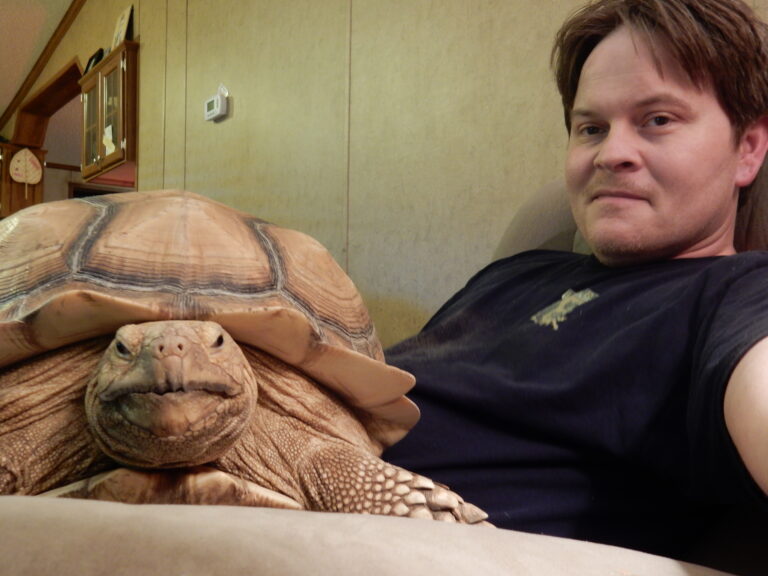
Starting and Running a Reptile & Amphibian Rescue
What it takes to run a reptile and amphibian rescue, and whether it is a path you want.
Self-paced · $35.00
View Full Details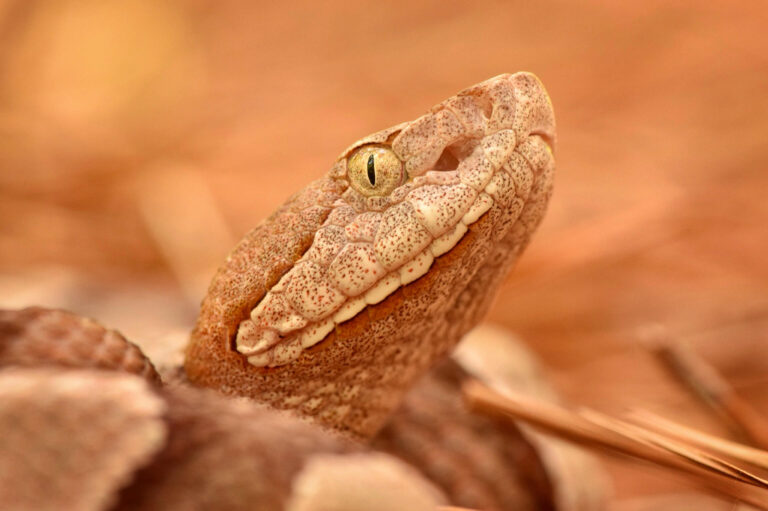
Coexisting With Wild Snakes
The myths, the biology, why identification rules fail, and what to actually do.
Self-paced · Free
View Full DetailsFree, and staying that way
Help keep these tools running
This tool, the free snakes course, the Primer and everything on our Resources page will always be free. If it helped you and you would like to help keep it running (and help us build the next one), you can pitch in. Everything given goes to LEARN, the nonprofit rescue that runs The Herpetology Collective, so it also helps feed, house and care for the animals we take in.