Open learning
Resources, free to anyone who wants them.
No AI-generated answers in these tools. Each one is built from real sources and fixed rules.What this meansClose
When you use a tool on this site, no AI writes your answer. Results come from rules we set ahead of time, applied to information gathered from sources such as field guides, scientific records and our own courses. They are not made up on the spot. You will see this note on every tool.
AI did help us build the tools: writing code, organizing information and drafting some of the drawings.
You should not have to enroll in a course before reliable, approachable information can help you understand the animals around you. Start wherever your curiosity points.
Go straight to a tool
Near you
- What Lives Near MeSpecies on record for your ZIP code
- What’s Calling Near MeFrog and toad calls, by month
- My Local Field GuideA guide made for where you live
- Field-Trip PlannerAccessible places to see herps
- Crossing WatchWill they be on the roads tonight?
- Ways to HelpCitizen science and volunteering
- Herp-Friendlier SpacesMake room for herps where you live
Identify a find
Learn and look up
- Research DeskSearch herpetology sources
- Museum RecordsSpecimen records, decoded
- Name DecoderSay it right, know what it means
- Scales & ScutesThe names field guides use
- LibraryBooks worth your shelf space
- The PrimerThe free illustrated textbook
- Field Safety & EthicsBefore you head out
- Gear ChecklistBuild your field packing list
Research desk
Search herpetology, not the whole internet.
One box, several sources worth trusting: the lessons and the Primer on this site, species records from iNaturalist, peer-reviewed papers from OpenAlex, and one-click searches on the Reptile Database, AmphibiaWeb, CNAH, and more. Off-site results are marked as such and open in a new tab.
What lives near me
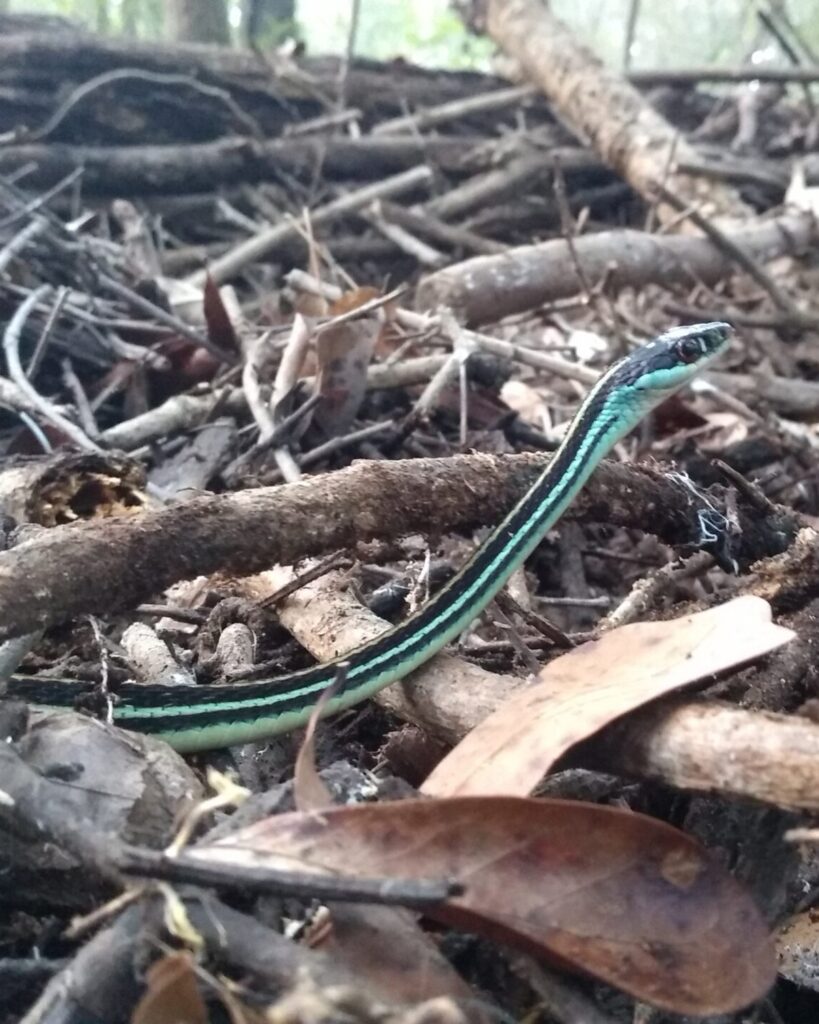
Find out what lives around you, by ZIP code.
Enter a ZIP code and get the snakes, lizards, turtles, frogs and salamanders on record for your county or parish: the standard names, the names people actually use (search “chicken snake” or “moccasin”), and how sure we are about each one, with links to iNaturalist sightings in your area. Every county in the United States. Free, and in beta.
What’s calling near me
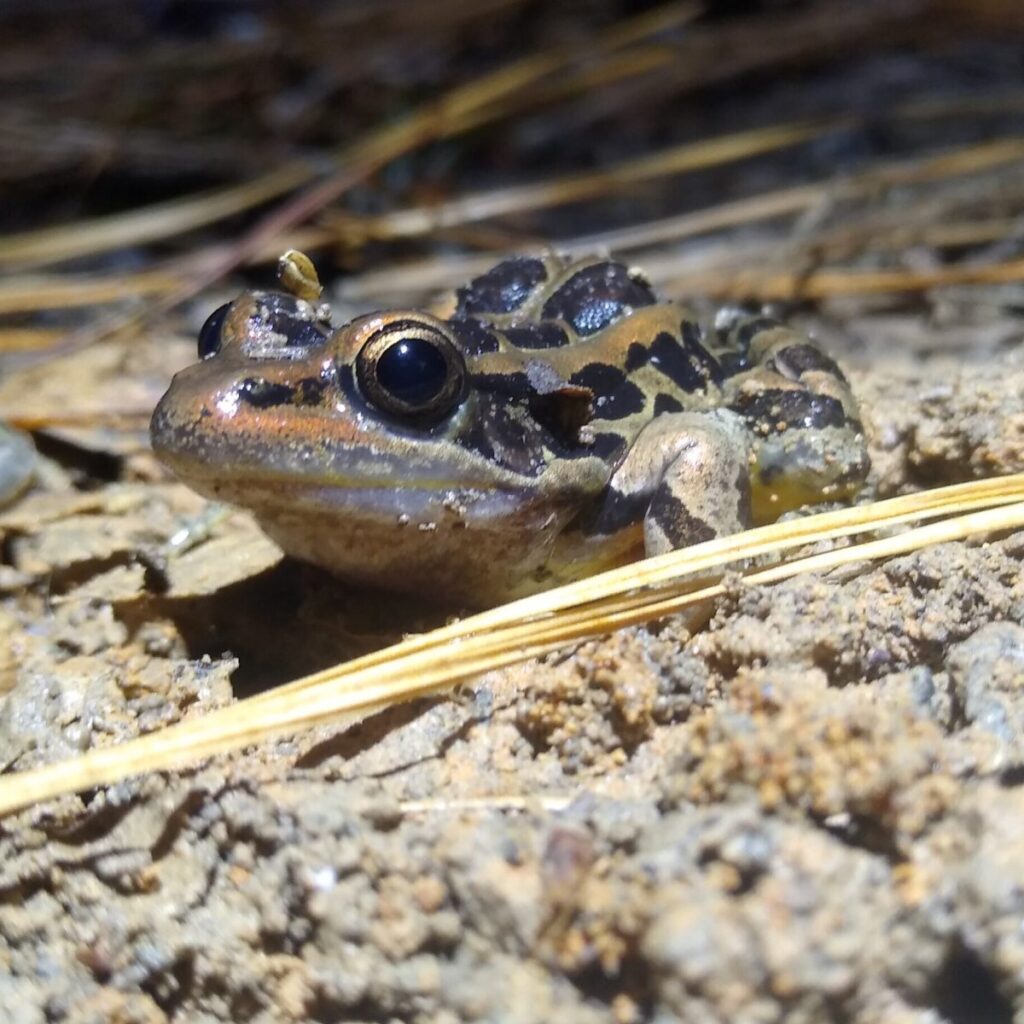
Hear the frogs and toads calling around you.
The same ZIP code, frogs and toads only, sorted by what is most likely calling this month, each with a recording you can play on the spot. Play all turns your county into a training tape for the next chorus. Recordings are Creative Commons-licensed iNaturalist observations, credited as they play.
My local field guide
A field guide made for the place you live.
Pick your county, parish or census division and the animals you care about, and get a field guide made for that place: photos, the names people actually use, when each species is usually seen, frog and toad calls, a checklist and pages for field notes. Free, and nothing to sign up for.
Only what lives there
Built from the same county records as What Lives Near Me, so every species in it is on record where you are, with how sure we are about each one.
On paper or on your phone
Read it on your phone, print it or save it as a PDF, share it with a link, or save it on your phone for places with no signal.
Three styles
Standard, Young explorer or Technical, so the same county can make a guide for a curious kid, a family walk or a field course.
Accessible field trips
Herps within reach, no hard hike required.
Tell the planner what you need (paved paths, no steps, a restroom nearby, a bench, or watching from the car) and it lists places near you where reptiles and amphibians have actually been recorded, with what is known about each one. Every detail shows its source and how sure we are, and anything nobody has checked yet is marked “Not verified” so you can call ahead.
Built around your needs
Surfaces, steps, parking, rest points, restrooms, walking distance, quiet and shade, each one optional. Choose on foot or by wheelchair, from a vehicle, or from a fixed seat.
Day, night and weather
Sunrise, sunset and the forecast for your date, with what heat, rain or a cool morning means for what you will see. After-dark options, such as listening for frogs from a parked car, are there if you want them.
Honest about gaps
Official park listings, the volunteer-built OpenStreetMap, and where animals were seen, each labelled, with a confidence level and the date checked. This is what public sources say, not a guarantee.
Crossing Watch
Will they be on the roads tonight?
On certain nights, frogs, salamanders, turtles and snakes cross roads in large numbers, and most people never know it is happening. Type a ZIP or postal code and Crossing Watch reads the season and the forecast for your area and shows tonight’s level, from Low to Big Night, with the reasons behind it. It estimates conditions; it does not detect animals. Free, and in beta.
Tonight and the nights ahead
One level for tonight, a smaller one for each group of animals, and an outlook for the coming week. Tap a night to see why. Canadian postal codes get a season-only reading for now.
What a Big Night is
Why rainy nights at the right time of year send so many frogs and salamanders to their breeding ponds at once, and when that season usually comes where you live.
Safe on the road
How to drive on a crossing night, and how to help an animal across without putting yourself in traffic. No observation is worth a traffic hazard.
Ways to help
Do something real for the animals near you.
Tell the finder where you are, or that you would rather help from home, and it lists citizen science projects, volunteer days, trainings and sightings worth reporting, closest first, with reptile and amphibian programs at the top. Some take five minutes on your phone, some are a whole season outdoors, and many cost nothing at all.
Near you, or from home
Programs in your county and state, regional and national efforts, and online projects you can do from anywhere, each with its season, what it asks of you and the date it was last checked against the organizer’s own site.
Live from iNaturalist and Zooniverse
The community projects people near you have been adding to lately, and the nature projects on Zooniverse that are open today. Those lists change daily, so they are labelled “live”.
Course fieldwork starts here
The conservation fieldwork in our certification courses (finding a conservation organization and volunteering a few hours with it) can start with this list.
Habitat planner
Herp-Friendlier Spaces
A balcony, a backyard, a farm or a schoolyard can all make more room for wild reptiles and amphibians and for the small animals they eat. Answer two quick questions and get a short plan that starts where you are, with sources for every step.
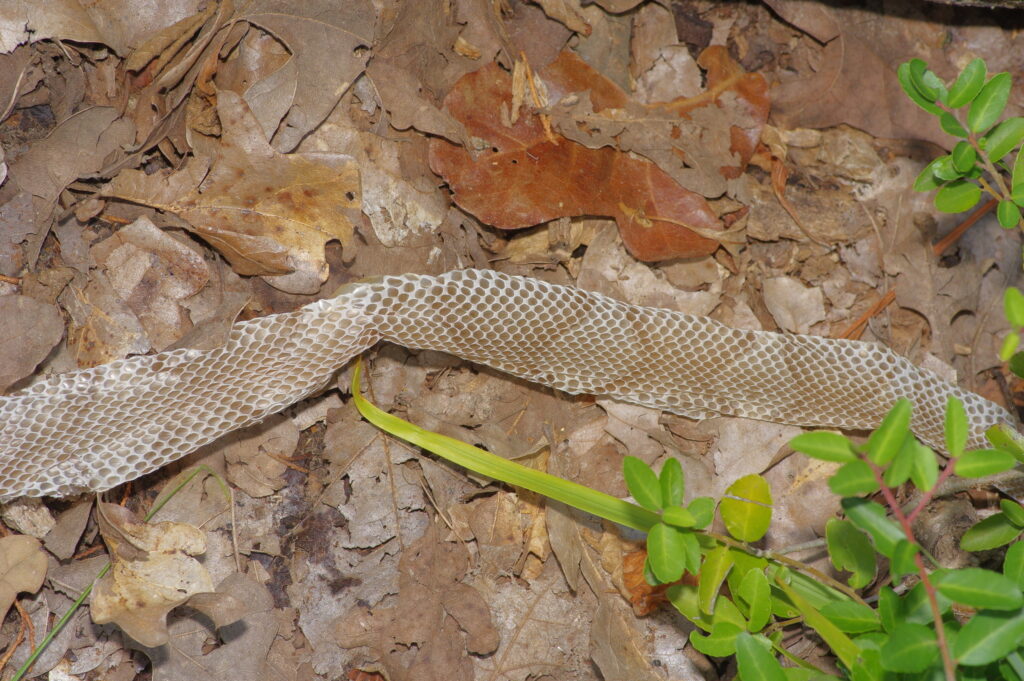
Whose shed is this?
Identify a snake from the skin it left behind.
Found a shed and wondering who left it? Answer a few questions about the skin itself (the scales under the tail, the plate over the vent, the ridges on the back, a row count) and the key narrows the possibilities to the snakes on record where you found it, showing its reasoning at every step. Skip any question you can’t answer. Free, and in beta.
More identification keys
Shells, toads, skinks, eggs and tadpoles, the same way.
Each key works like the shed key: answer a few questions about what you can see, and it narrows the possibilities to the animals on record where you found it, showing its reasoning at every step. Skip any question you can’t answer. Free, and in beta.
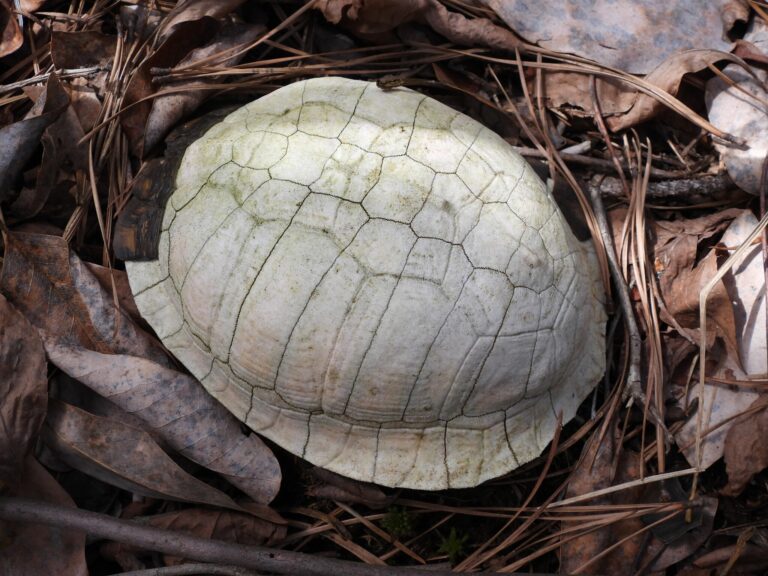
Whose Shell Is This?
A live turtle, a whole shell or a few bleached bones. Hinges, the bottom shell, the scutes along the edge and the seams in the bone sort the turtles near you, down to the sea turtles.
Identify a turtle or shell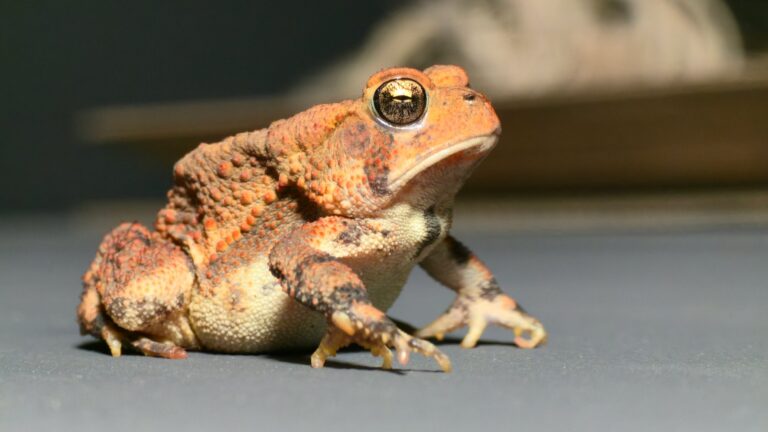
Which Toad Is This?
The big glands behind the eyes, the ridges on top of the head and the warts in the dark spots sort most toads. It also tells you when your “toad” is really a spadefoot or a narrow-mouthed toad.
Identify a toad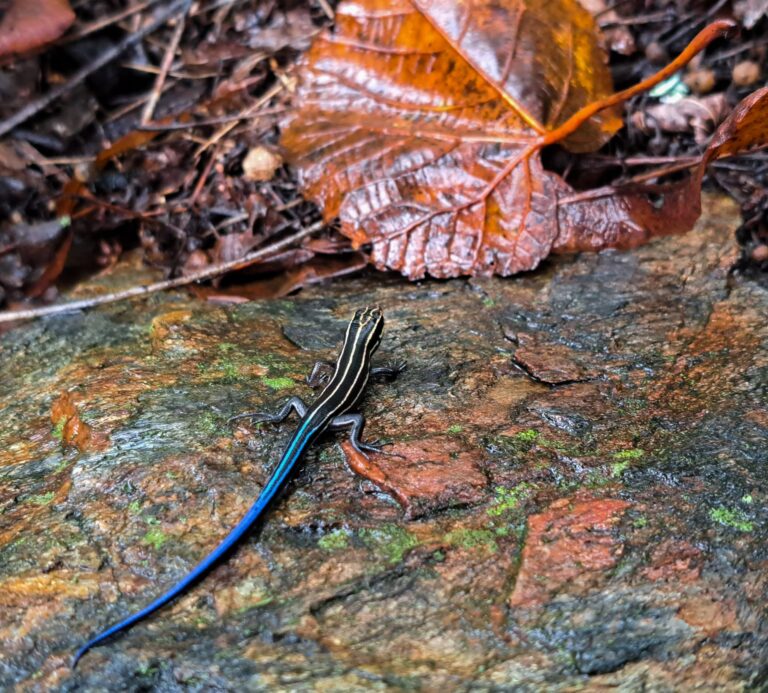
Which Skink Is This?
Stripes fade with age, but a few scales on the chin, the lip and under the tail don’t. It also tells you when your lizard is really a racerunner or a legless glass lizard.
Identify a skink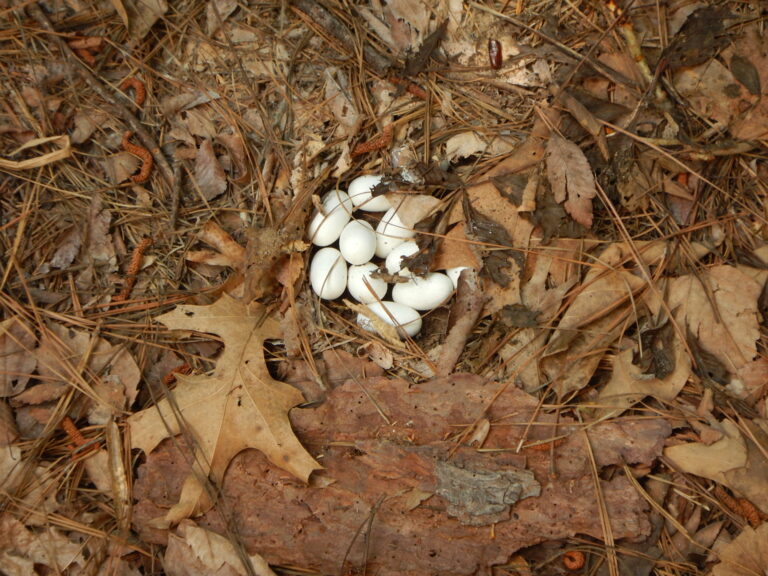
Who Laid This?
Jelly-coated eggs in a pond, a cluster under a log, leathery eggs in the mulch or a dug-up nest. Where you found them, how they are arranged and what they look like narrow the list to the frogs, salamanders, turtles, snakes and lizards near you. The key also tells you when your find may not be a reptile or amphibian egg at all.
Identify eggs or a nest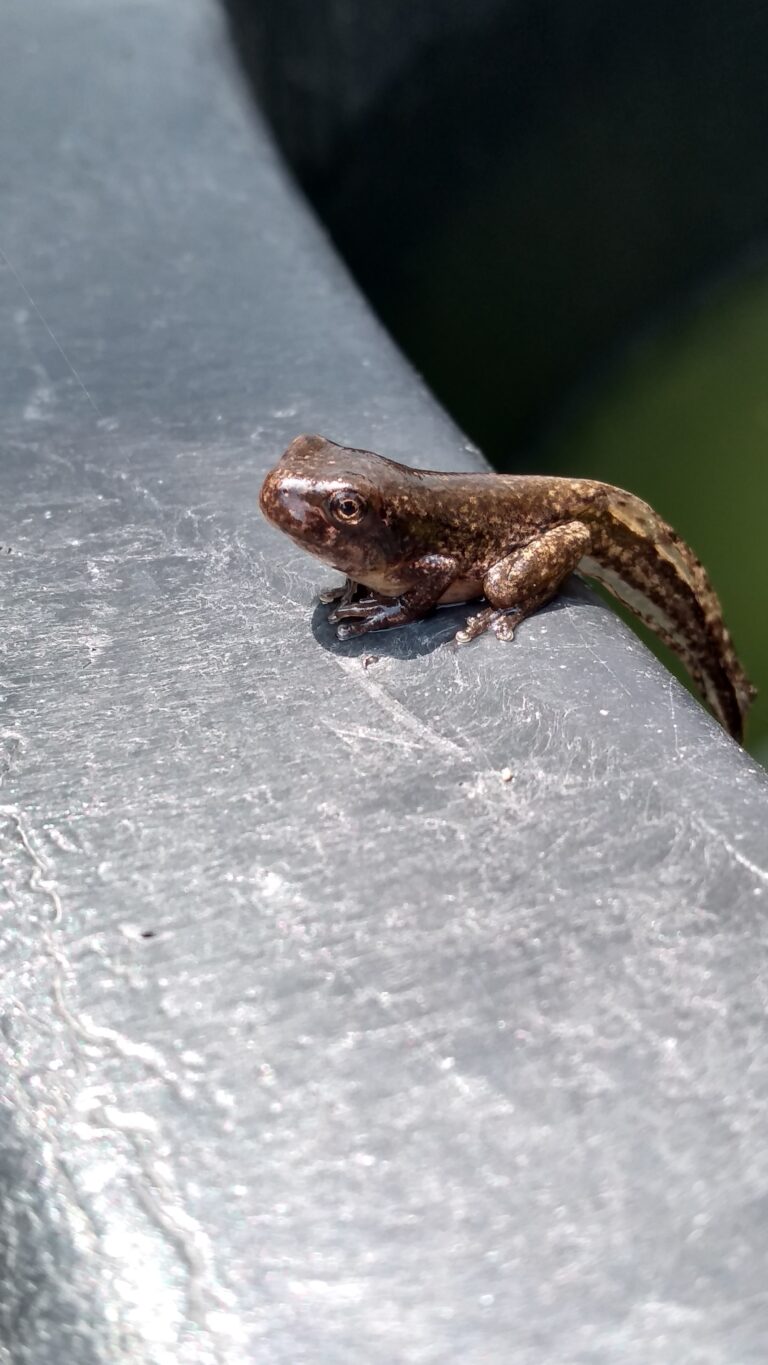
Which Tadpole Is This?
Tadpoles and salamander larvae, sorted by what you can see without handling them and by the species on record where you found them. Animals with no tadpole stage are named, not hidden.
Identify a tadpole or larvaName decoder
Say it right, and know what it means.
Type any reptile or amphibian name, scientific or common, and hear how it is said, then see what each part means in Latin and Greek and who or what it honors. Agkistrodon piscivorus turns out to be the “hook-toothed fish-eater.” Every meaning says whether it has been checked against a published source yet.
Hear it
A spelled-out guide with the stressed syllable marked, a recording you can slow down, and the other ways you will hear a name said. Every species on the standard list for the United States is included.
Decode it
The Latin and Greek word parts behind each name, the naturalists and places it honors, and where a name’s origin is honestly uncertain, it says so.
Learn the rules
A short, plain guide to saying any scientific name you meet, from where the stress falls to why holbrookii ends in “ee-eye.”
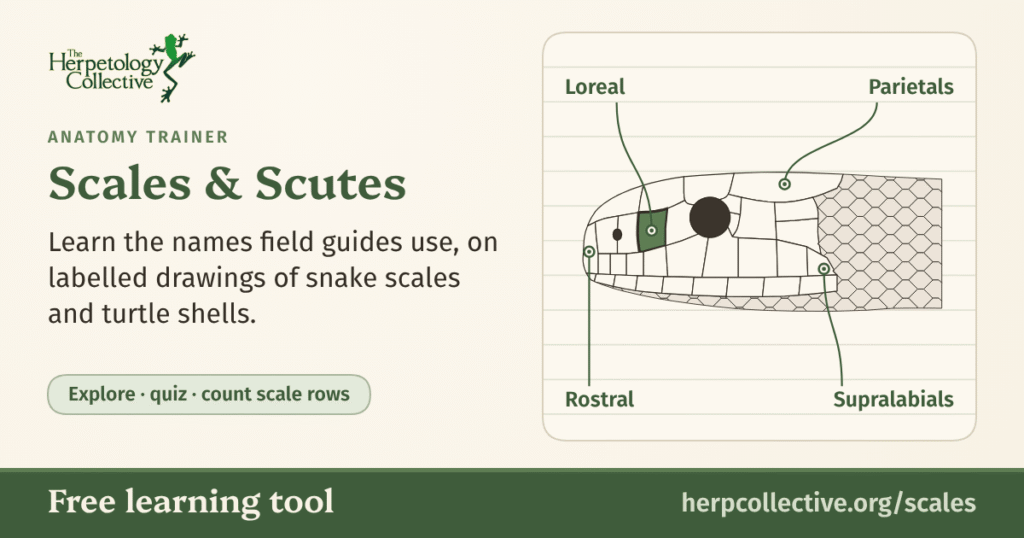
Scales & Scutes
Learn the names field guides use.
Field guides and identification keys talk about loreals, supralabials, keels and vertebral scutes as if everyone already knows them. Learn the scales of a snake and the scutes of a turtle’s shell on labelled drawings, test yourself, and look up any term in a glossary with a source for every entry.
Label the parts
A snake’s head from the side, the top and underneath, a pitviper’s head, the scale rows, the underside at the vent and both halves of a turtle’s shell, with every part named.
Test yourself
Every drawing has a quiz, so you can check what stuck before you open a field guide or a key.
Count scale rows
Practice pieces teach the scale-row count that keys ask for, and a tally keeps your place when you count a real shed or a clear photo.
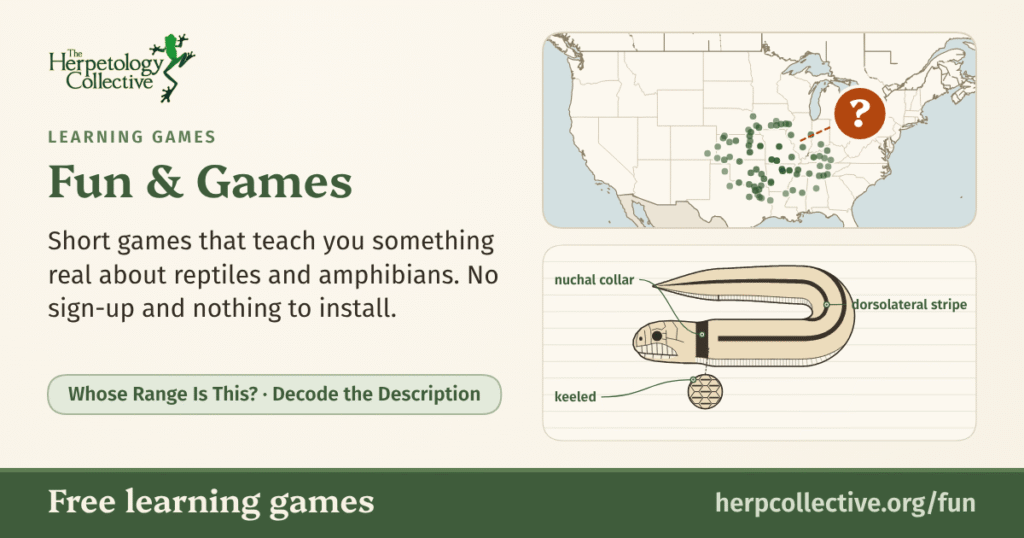
Fun & Games
Learn something real, one game at a time.
Short games that teach you something real about reptiles and amphibians. No sign-up and nothing to install, and your scores stay on your own device.
Whose Range Is This?
Name a reptile or amphibian from a map of where people have spotted it, then compare its range with your guess. Ten maps a game, three levels, across the U.S. and Canada.
Decode the Description
Learn to read (and write) the words people use to describe reptiles and amphibians, like dorsolateral and keeled, with made-up animals to match. Ten rounds a game, three levels.
Share your score
At the end of every game you can send a score card to a friend and see if they can beat it. Nothing about you goes with it.
The library
Books worth your shelf space.
Field guides for every part of the country, the science, the care references, the clinical texts we work from, and shelves for young readers. Tick a category, pick your state, or search, and the list narrows to what you need. Every title links to buy it, borrow it from a library, or find a used copy, and you can suggest a book that belongs there.
Field guides by state
The regional guides written by the biologists who know each place best, from Louisiana and Mississippi to the Pacific Northwest, alongside the Peterson guides that cover the whole country.
Browse field guidesClinical and rehab references
The veterinary and wildlife-rehabilitation texts on the shelf at LEARN: the ones we reach for when an animal comes through the door.
Browse clinical textsFor young readers
Picture books, chapter books and nonfiction that get the animals right, for the kid who already loves snakes and the one who is not sure yet.
Browse kids’ booksFree, and free to stay that way
Start wherever your curiosity points.
Three places to begin, none of which ask anything of you first.
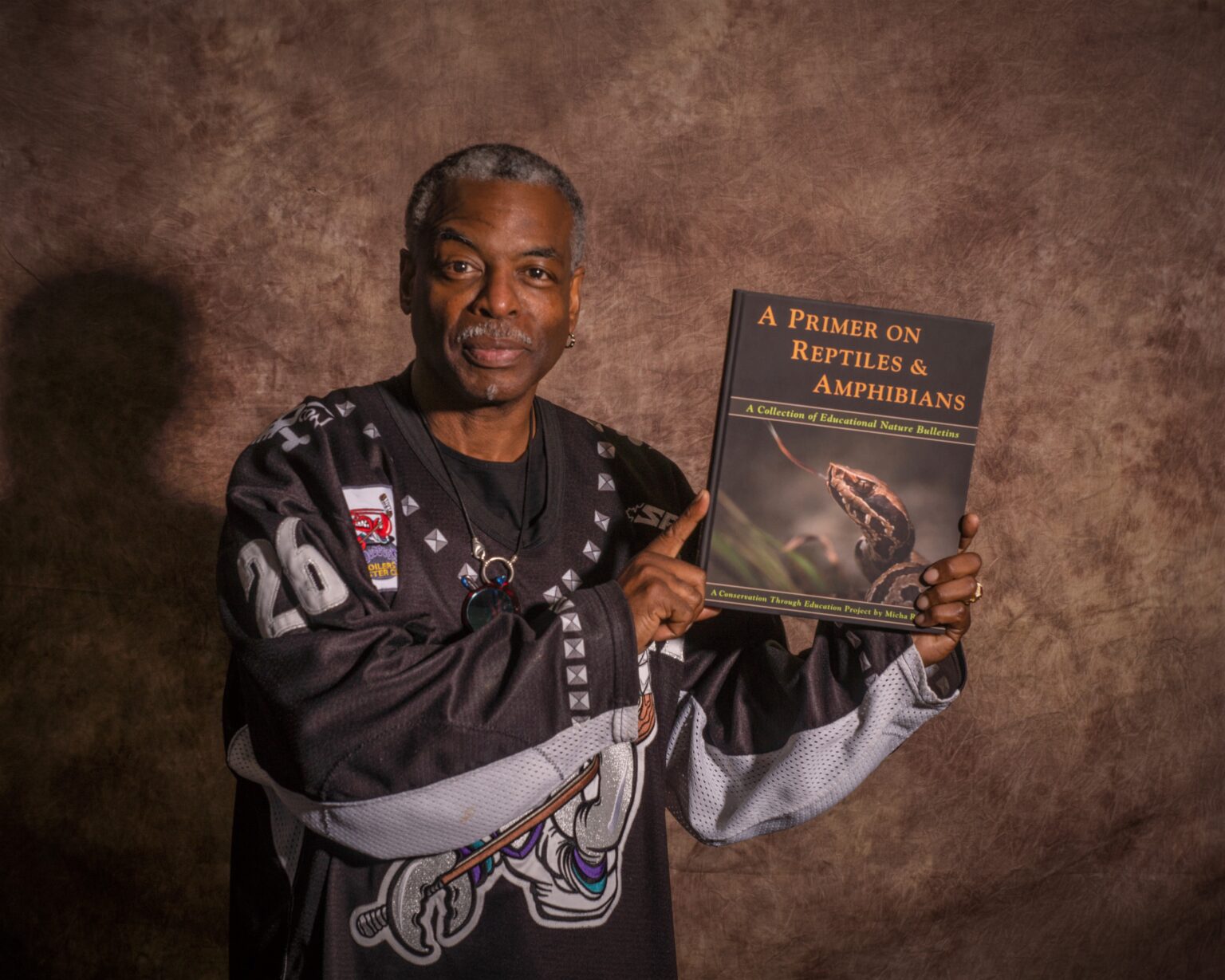
A Primer on Reptiles & Amphibians
This richly illustrated textbook presents herpetology in short, self-contained educational bulletins. It was designed for people who want explanations they can absorb in manageable pieces without losing the connections among biology, behavior, conservation, field ethics, and everyday encounters with wildlife. The digital edition is free.
Read or download the Primer
The Natural World
The Natural World houses longer-form articles about wildlife, conservation, scientific thinking, and the ways people make sense of the living world. These pieces often expand on questions introduced in the Primer.
Read The Natural World (opens in a new tab)
The Herpetology Collective on YouTube
Explore classroom-style explanations, field observations, and public-facing herpetology and conservation material.
Visit the YouTube channel (opens in a new tab)Explore trusted herpetology resources
This directory points to scientific societies, government agencies, major conservation organizations, and established biodiversity databases. It is meant to be useful whether you are identifying an animal, researching a local species, planning ethical fieldwork, looking for primary literature, or figuring out where to report an unusual observation.
Species identification, taxonomy & names
- The Reptile Database (opens in a new tab) — Global catalogue of living reptiles, taxonomy, distributions, references, and downloadable data.
- The Reptile Database: Species Statistics (opens in a new tab) — Current counts by higher taxon and a useful snapshot of how recognized reptile diversity changes.
- AmphibiaWeb (opens in a new tab) — Amphibian species accounts, taxonomy, calls, photos, conservation information, educational material, and datasets.
- AmphibiaWeb: By the Numbers (opens in a new tab) — Current counts for frogs and toads, salamanders, and caecilians.
- Amphibian Species of the World (opens in a new tab) — The American Museum of Natural History’s technical taxonomic and nomenclatural reference for living amphibians.
- Scientific and Standard English Names of Amphibians and Reptiles of North America North of Mexico (9th ed.) (opens in a new tab) — The current joint standard-names list from SSAR, ASIH, HL, and PARC.
- How to Pronounce Scientific Names (ReefQuest Centre for Shark Research) (opens in a new tab): Plain-language rules for saying Latin and Greek scientific names, useful for any group of animals.
- Scientific and Common Names of the Reptiles and Amphibians of North America, Explained (opens in a new tab): Ellin Beltz’s guide to what North American herp names mean and whom they honor.
- NatureServe Explorer (opens in a new tab) — Conservation status, distribution, taxonomy, and ecological information for species and ecosystems in the Americas.
- USGS: A Key to the Anuran Tadpoles of the United States and Canada (opens in a new tab): Official USGS publication page for a detailed tadpole identification key.
Observations, records & distribution data
- iNaturalist (opens in a new tab) — Record observations, get community-assisted identifications, explore distributions, and contribute occurrence data to research.
- GBIF — Global Biodiversity Information Facility (opens in a new tab) — Open global biodiversity data from museum specimens, research datasets, citizen science, and other sources.
- VertNet (opens in a new tab) — Free global vertebrate biodiversity records, especially useful for museum and research-collection occurrence data.
- USGS Amphibian Research and Monitoring Initiative (ARMI) (opens in a new tab) — U.S. amphibian monitoring, trend data, project maps, disease work, publications, and the National Amphibian Atlas.
Conservation status & at-risk species
- IUCN Red List of Threatened Species (opens in a new tab) — Global conservation assessments, threats, range information, and population trends.
- U.S. Fish & Wildlife Service ECOS Species Search (opens in a new tab) — Build lists of federally listed U.S. species by taxonomy, status, state, region, and other criteria.
- Partners in Amphibian and Reptile Conservation (PARC) (opens in a new tab) — A major North American conservation partnership with regional groups, technical guidance, education, disease resources, and action initiatives.
- The Orianne Society (opens in a new tab) — Science, applied conservation, and education focused on imperiled reptiles and amphibians and the landscapes they depend on.
- Amphibian Survival Alliance (opens in a new tab) — Global amphibian-conservation network and resource hub.
- SAVE THE FROGS! (opens in a new tab): Public-facing amphibian conservation, education, habitat, and advocacy resources.
- Amphibian Conservation Action Plan (opens in a new tab) — Evidence-based global roadmap for amphibian conservation from the IUCN SSC Amphibian Specialist Group.
- Amphibian Ark (opens in a new tab) — Conservation-needs assessments, ex situ rescue programs, training resources, grants, and husbandry resources.
- Turtle Conservancy (opens in a new tab) — Turtle and tortoise conservation, field research, habitat protection, trafficking response, and education.
- IUCN SSC Tortoise and Freshwater Turtle Specialist Group (opens in a new tab) — Specialist-group resources and current turtle taxonomy and conservation publications.
Field ethics, biosecurity & wildlife law
- PARC: Intro to Ethical Outdoor Practices (opens in a new tab) — Concise guidance on regulations, no-capture observation, habitat disturbance, sensitive locations, disinfection, and safety.
- PARC: Inventory and Monitoring — Recommended Techniques (opens in a new tab) — A comprehensive field-methods guide for reptiles and amphibians.
- PARC: Herpetofaunal Disease Resources (opens in a new tab) — Biosecurity and disinfection guidance plus resources on Bd, Bsal, ranavirus, snake fungal disease, and mortality reporting.
- Amphibian Disease Portal (opens in a new tab): Current information and data resources for amphibian diseases including chytridiomycosis.
- PARC Disease Task Team / Herpetofaunal Disease Alert System (opens in a new tab) — Coordination and reporting resources for unusual illness or mortality events in amphibians and reptiles in the U.S. and Canada.
- Guidelines for Live Amphibians and Reptiles in Field and Laboratory Research (opens in a new tab): ASIH resources page providing the established research and animal-use guidelines.
- Municode Municipal Law Search (opens in a new tab): Search local municipal codes in the United States, useful when checking local land-use and wildlife-related rules.
- Animal Legal & Historical Center (opens in a new tab) — Hosted by Michigan State University College of Law: full-text cases, over 1,400 U.S. statutes, 60+ topic explanations, and state-by-state comparison tables, plus an international collection.
- CITES Checklist of Species (opens in a new tab) — Check whether a species is listed in CITES Appendix I, II, or III and review listing history.
- CITES Trade Database (opens in a new tab) — International wildlife-trade records reported by CITES Parties.
- U.S. Fish & Wildlife Service: Injurious Wildlife (opens in a new tab) — Current federal guidance for species regulated under the injurious-wildlife provisions of the Lacey Act.
- U.S. Fish & Wildlife Service: Lacey Act (opens in a new tab) — Federal overview and links to current legal and regulatory information.
Laws vary by country, state or province, locality, species, land manager, and activity. These links are research starting points, not legal advice. Always verify the rules that apply where you are.
Open scientific literature & research tools
- Herpetological Review — Open PDFs (opens in a new tab) — A large open archive from SSAR, including complete older issues and open Natural History Notes, Geographic Distribution Notes, and other sections from newer volumes.
- Biodiversity Heritage Library (opens in a new tab) — A massive open digital library of historical biodiversity books and journals, useful for taxonomy, natural history, and older literature.
- Google Scholar (opens in a new tab) — Broad scholarly-literature search; useful for finding papers and following citation trails even when the final article is hosted elsewhere.
- PubMed (opens in a new tab) — Search biomedical and life-science literature, particularly useful for disease, toxicology, physiology, and veterinary topics.
- GBIF (opens in a new tab) — Downloadable occurrence datasets for distribution, biogeography, and conservation research.
Professional herpetology & continuing learning
- Society for the Study of Amphibians and Reptiles (SSAR) (opens in a new tab) — Journals, Herpetological Review, nomenclature resources, professional information, and society programs.
- American Society of Ichthyologists and Herpetologists (ASIH) (opens in a new tab) — Professional society, journal, meetings, student resources, and research community.
- The Herpetologists’ League (opens in a new tab) — Professional society publishing Herpetologica and Herpetological Monographs.
- Partners in Amphibian and Reptile Conservation (PARC) (opens in a new tab) — A strong bridge between agencies, NGOs, educators, land managers, professional biologists, and citizen scientists.
- SSAR Herpetology Labs Recruiting (opens in a new tab): Recruiting graduate, postdoctoral, and other herpetology research opportunities.
Education & outreach materials
- PARC: Amphibian and Reptile Education Resources (opens in a new tab) — Free activities, lesson plans, videos, printable materials, crafts, outdoor-learning ideas, and curriculum links.
- PARC: Education & Outreach (opens in a new tab) — Amphibian Week, Wild Turtle Week, ethical field practices, awareness campaigns, and outreach tools.
- AmphibiaWeb (opens in a new tab) — In addition to species accounts, AmphibiaWeb includes resources for kids, teens, educators, Spanish-language learners, and a glossary.
- USGS ARMI (opens in a new tab) — Research stories, galleries, publications, project maps, and educational context from working amphibian scientists.
Animal health & emergency reference
- Association of Reptile and Amphibian Veterinarians: Find a Vet (opens in a new tab) — International directory for locating veterinarians with reptile and amphibian expertise.
- Animal Help Now (opens in a new tab): Find nearby wildlife rehabilitators and other wildlife emergency assistance in the United States.
- National Wildlife Rehabilitators Association (opens in a new tab): Wildlife rehabilitation information, professional resources, and guidance for finding qualified help.
- International Wildlife Rehabilitation Council (opens in a new tab): Wildlife rehabilitation guidance, training, and international resources for locating rehabilitators.
- CDC Snakebite First Aid (opens in a new tab) — Evidence-based U.S. first-aid guidance for venomous snakebite.
Emergency and medical links are reference material only. For an actual emergency, contact local emergency services, a poison center where available, and qualified medical or veterinary professionals.
Found a dead link or know a resource that belongs here? Send us a note. We want this directory to stay useful as organizations, databases, and guidance evolve.
A fair question
If so much of this is free, what do the courses add?
Quite a lot of what the courses teach starts right here. The Primer is the source text for most of the material, and one of the five courses is free outright. None of that is a teaser — it is meant to stand on its own.
What a course adds is shape. The material is sequenced so each piece builds on the last, knowledge checks tell you whether it landed, fieldwork puts it to use, your progress is saved for you, and there is a certificate at the end. It takes the burden of deciding what to study next off you, and makes it easier to carry learning through to action.
Tuition is set low on purpose, and tuition assistance is available if cost is the barrier.