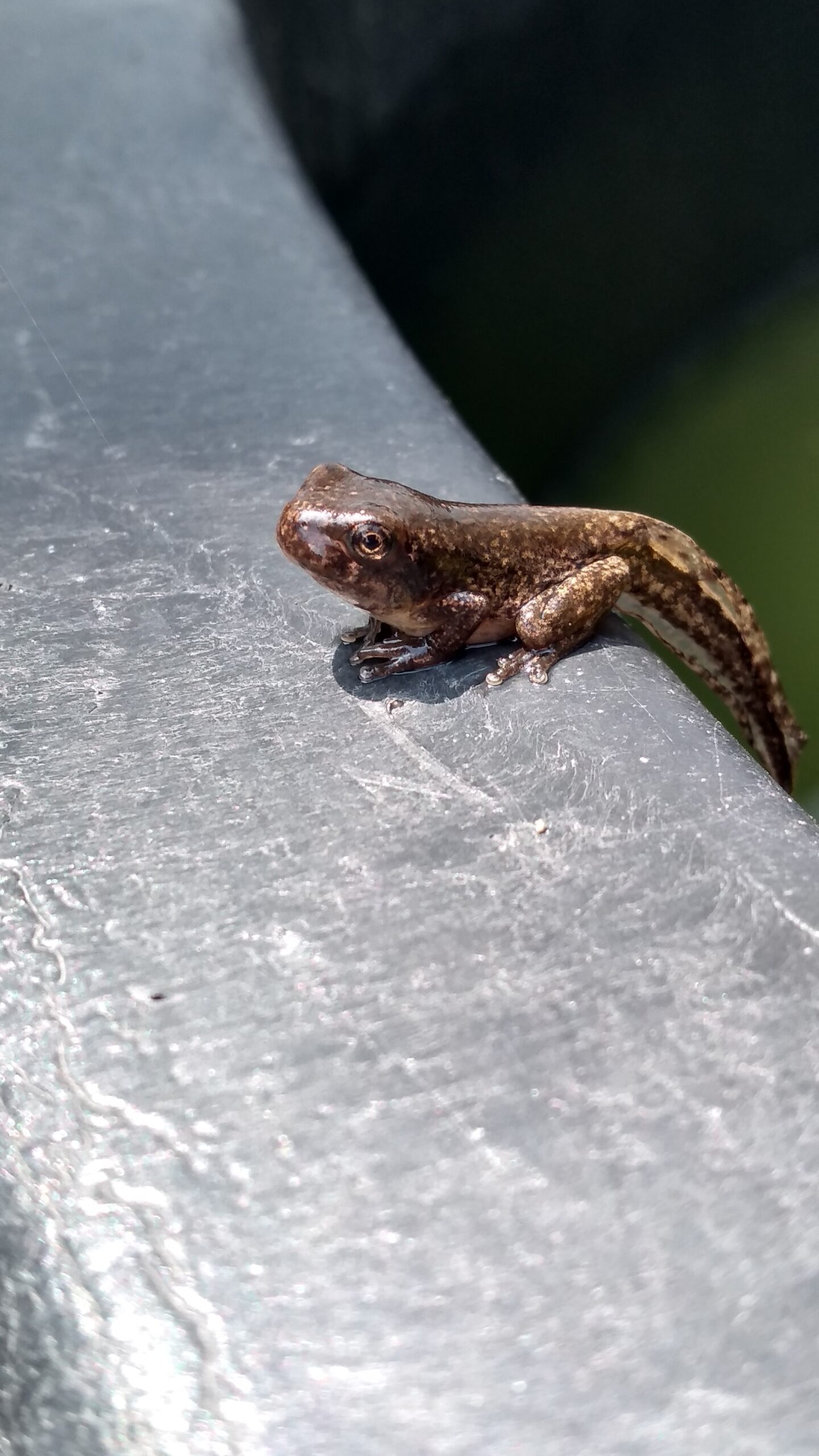
Which tadpole is this?
Identify tadpoles and salamander larvae.
Found tadpoles in a puddle, a pond or a ditch, or a small gilled salamander larva in a stream? Answer a few questions about what you can see (the kind of water, the size, the color, where the eyes sit, the tail) and this key narrows the possibilities to the frogs and salamanders that actually live where you found it, showing its reasoning at every step. Skip any question you can’t answer. Free, and in beta.
No AI-generated answers. Built from real sources and fixed rules.What this meansClose
When you use this tool, no AI writes your answer. The result comes from rules we set ahead of time, applied to information gathered from sources such as field guides, scientific records and our own courses. It is not made up on the spot.
AI did help us build it: writing code, organizing information and drafting some of the drawings.
Loading the key…
How it works
Tadpole or larva first, then place and season.
A tadpole has a round body and a thin tail, with no feathery gills showing. A salamander larva is slender, with feathery gills behind the head. After that, the kind of water, the time of year and the size do most of the sorting, and details such as eye position, tail pattern and the number of toes narrow it further. Add your location, and the list gets short.
Look, photograph, leave them
Every question can be answered from a photo: one from straight above and one from the side. Leave them in the water where you found them, and never move tadpoles or larvae to another pond, which can spread disease.
Listen for the adults
Tadpoles belong to frogs that bred in that water weeks or months earlier, so the frogs and toads calling nearby are one of the best clues. What’s Calling Near Me plays the calls of the species on record where you live.
What the key can’t do
Most tadpoles cannot be named to one species without looking at the mouthparts under magnification, and many change color and pattern as they grow. Treat the result as a short list with the reasoning shown. Only characters backed by a published source can rule a species out; every candidate lists its sources.
Tadpole and larva characters were compiled from published species accounts and keys, including the U.S. Geological Survey’s tadpole key, with sources listed on every candidate. Found eggs instead? Try Who Laid This?
Go deeper
Turn a name into understanding.
The key narrows down which tadpole or larva you found. The courses teach how those animals live, how to tell them apart, how to care for them, and how to talk about them with people who are afraid of them. Every course is self-paced and grounded in science; two are free, and the rest are priced to stay within reach. Where a card shows an opening date, you can enroll now and start on that day.
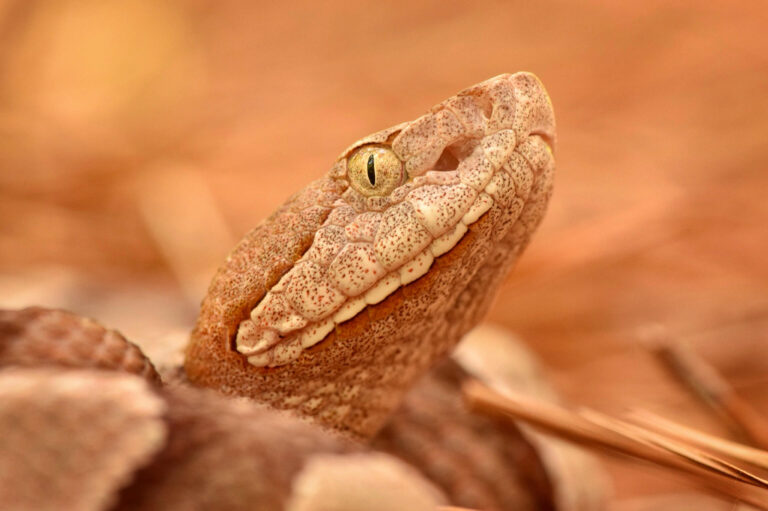
Coexisting With Wild Snakes
For anyone who shares space with snakes
A free course on living alongside snakes: the myths, the biology, why identification rules fail, and what to actually do.
Self-paced · about 5 hours · Free
View Full Details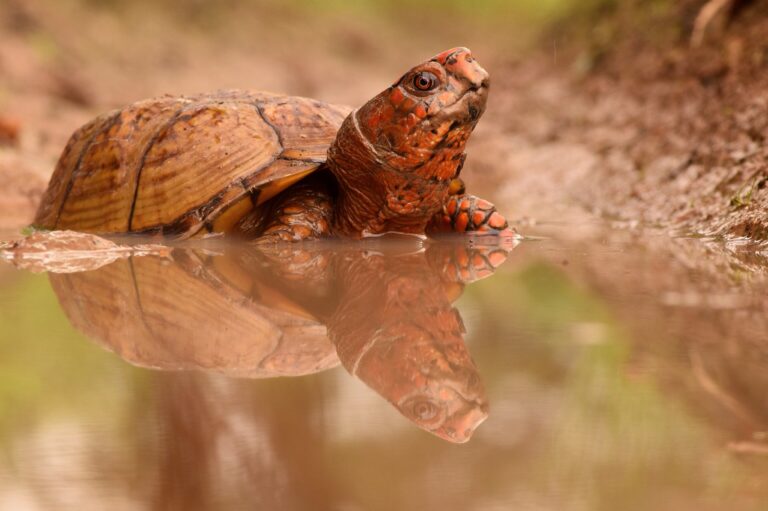
Certified Herpetological Guide
For adults
Covers the biology and the conservation, then pushes further: how to talk about these animals with people who are afraid of them.
Self-paced · about 50 hours · $149.00
View Full Details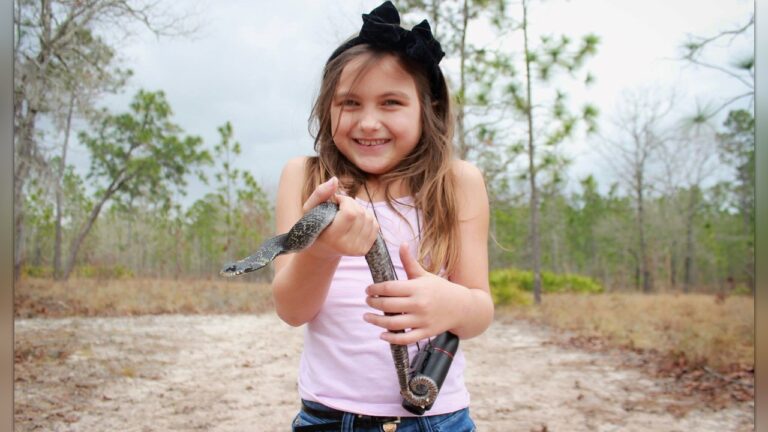
Certified Junior Herpetologist
For teens and tweens
The certification track written at a younger reading level, with adult-partnered fieldwork.
Self-paced · about 30 hours · $109.00
View Full Details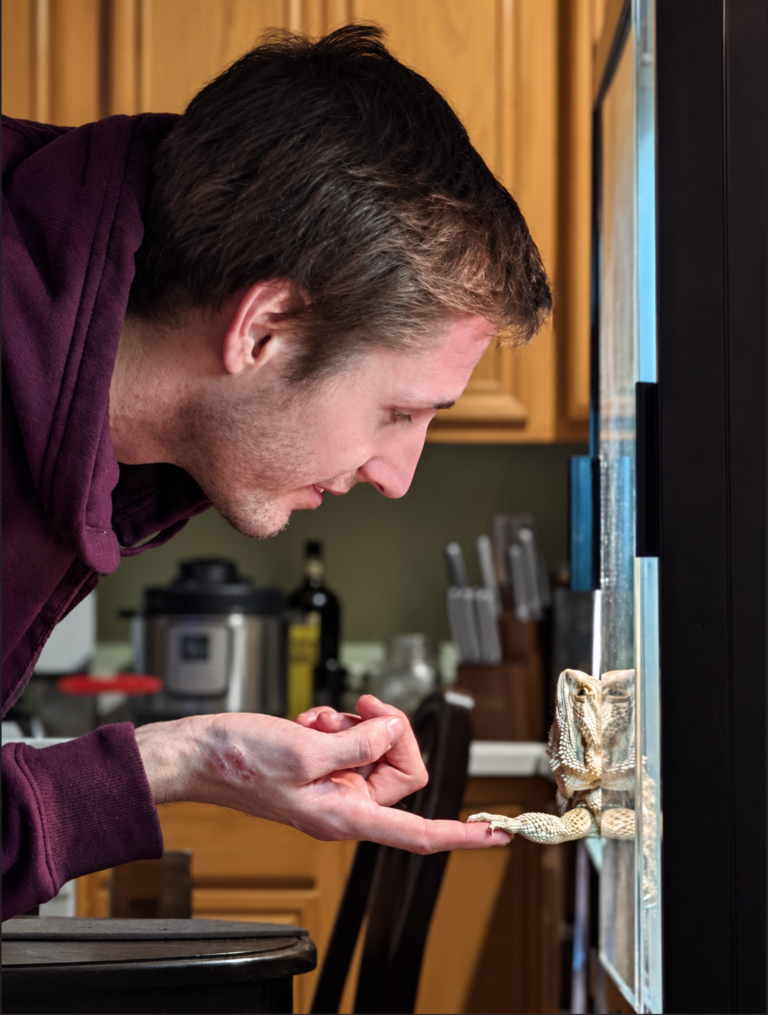
Foundations of Herpetological Husbandry
For people who keep reptiles and amphibians
Science-based care for reptiles and amphibians in human care.
Self-paced · about 8 hours · $49.00
View Full Details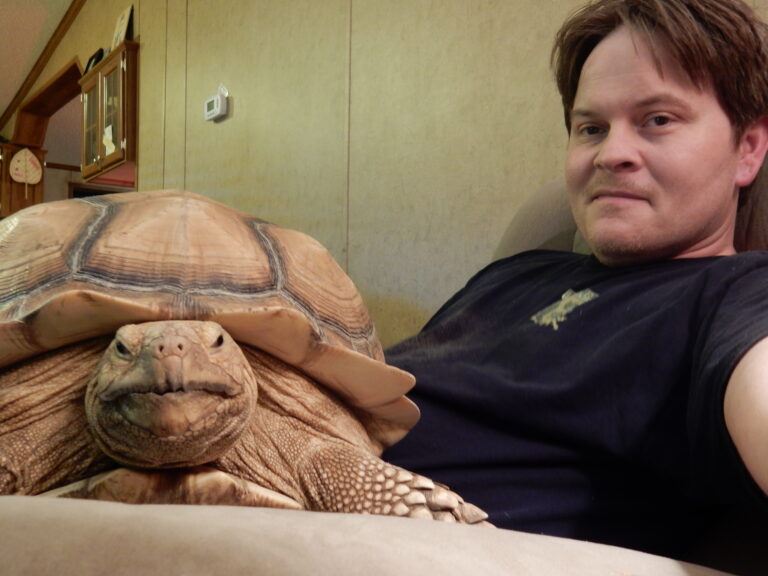
Starting and Running a Reptile & Amphibian Rescue
For people starting or running a rescue
What it takes to run a reptile and amphibian rescue, including whether wildlife rehabilitation is a path you want to pursue.
Self-paced · about 6 hours · $35.00
View Full Details
Field Ethics & Practices
For anyone joining a herping or wilderness trip
A short, free course on how to be a good field companion: respect the site, respect the animals, keep locations private, know the rules, and stay safe.
Self-paced · about 2 hours · Free
View Full DetailsFree, and staying that way
Help keep these tools running
This tool, the free snakes course, the Primer and everything on our Resources page will always be free. If it helped you and you would like to help keep it running (and help us build the next one), you can pitch in. Everything given goes to LEARN, the nonprofit rescue that runs The Herpetology Collective, so it also helps feed, house and care for the animals we take in.