What’s calling near me
Hear the frogs and toads calling around you.
Type a ZIP code and get every frog and toad on record for your county or parish, sorted by what is most likely calling this month, each with a recording you can play on the spot. Recordings are Creative Commons-licensed iNaturalist observations, credited as they play; the calling months come from when people in your state actually record each species. Free, and in beta.
No AI-generated answers. Built from real sources and fixed rules.What this meansClose
When you use this tool, no AI writes your answer. The result comes from rules we set ahead of time, applied to information gathered from sources such as field guides, scientific records and our own courses. It is not made up on the spot.
AI did help us build it: writing code, organizing information and drafting some of the drawings.
How this works and where the data comes from
Why this exists
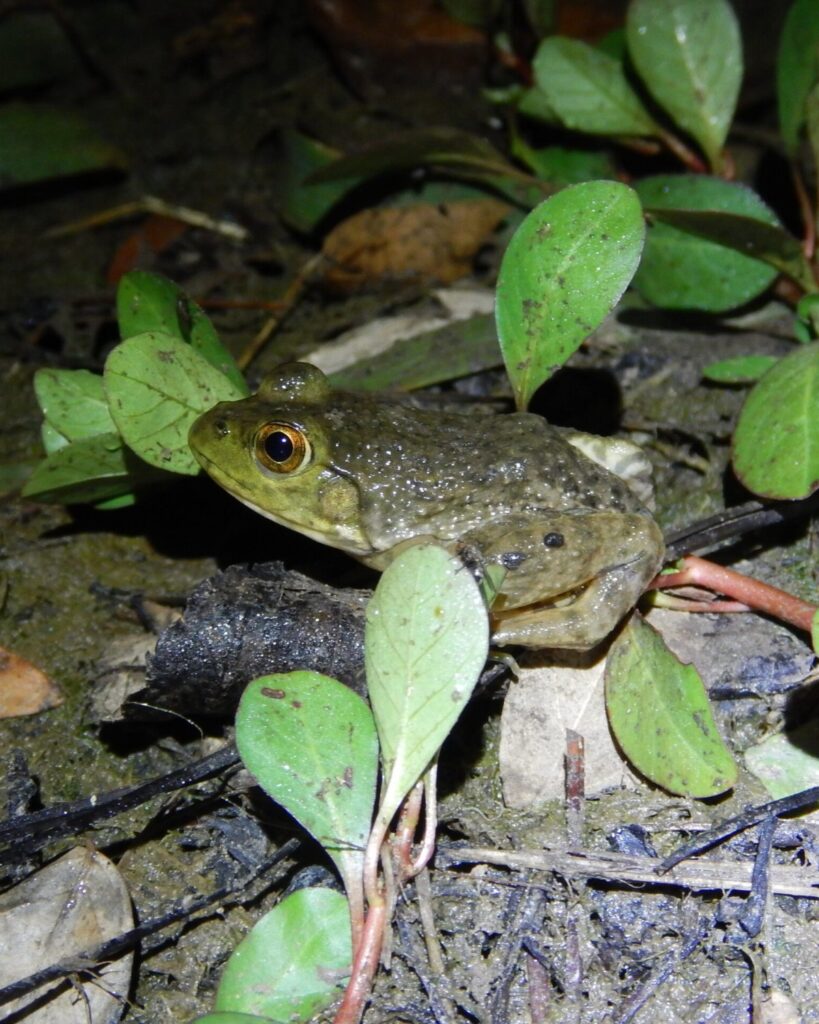
Most frogs are heard long before they are seen.
A spring chorus can hold six or eight species at once, and a call database that lists every frog in North America is not much help at the pond edge. This page starts from the short list of what actually lives in your county, puts the species most likely to be calling this month at the top, and lets you compare the calls side by side. Play all turns your county into a training tape.
Calling seasons are a guide, not a promise: a warm rain in the wrong month brings out toads, and a dry spring keeps treefrogs quiet. If a species or a season looks wrong for your area, the Something wrong? link on each species goes straight to us. The full list of reptiles and amphibians for your county, with the evidence behind each one, is on What Lives Near Me.
Go deeper
Keep learning with a course.
Everything on this page is free to use. If you would like to go further, our courses are self-paced and grounded in science, with no deadlines, and the free one is a good place to start.
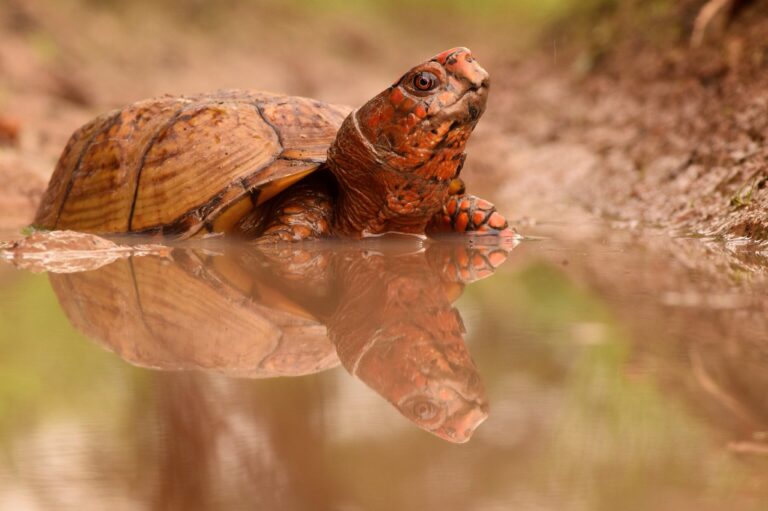
Certified Herpetological Guide
Covers the biology and the conservation, then pushes further: how to talk about these animals with people who are afraid of them.
Self-paced · $149.00
View Full Details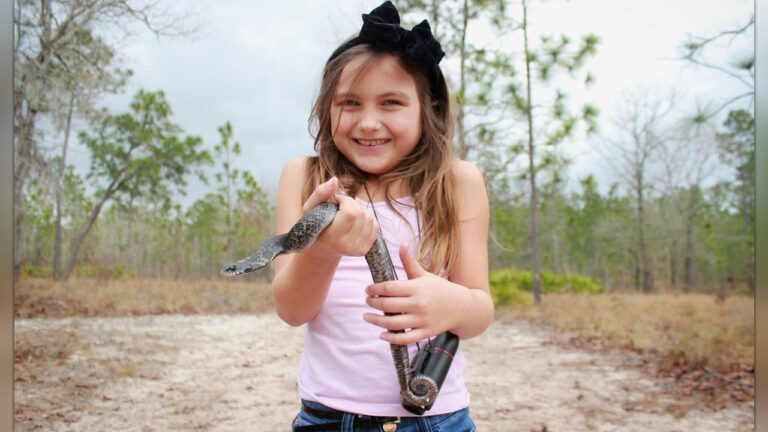
Certified Junior Herpetologist
The certification track written at a younger reading level, with adult-partnered fieldwork.
Self-paced · $109.00
View Full Details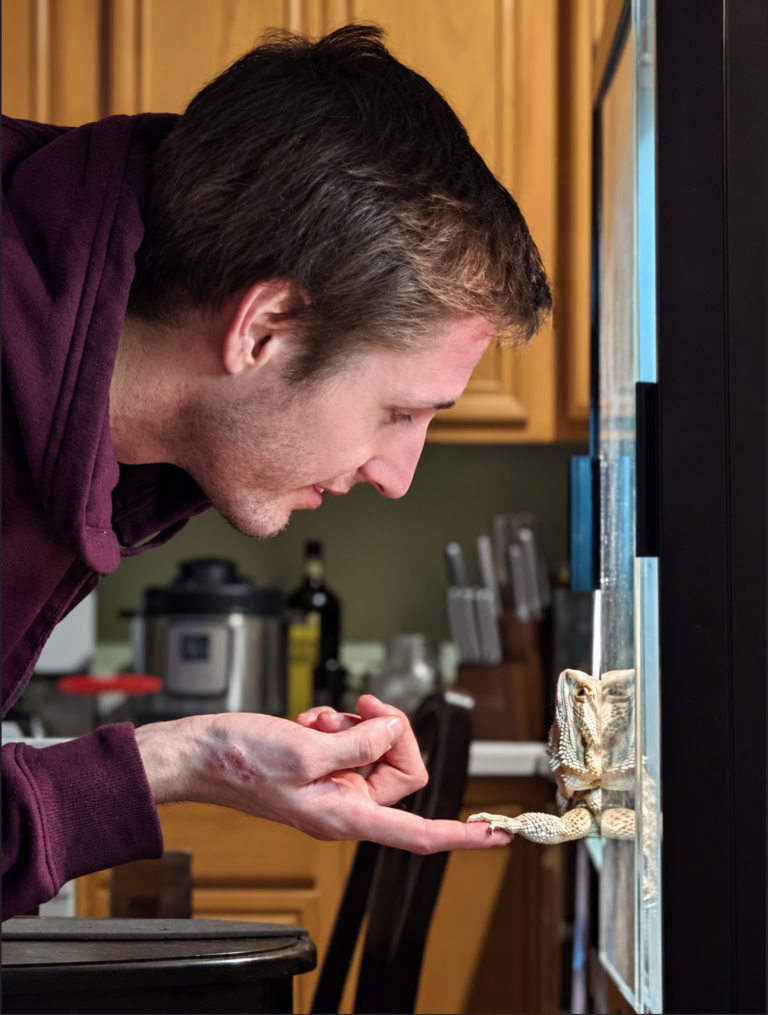
Foundations of Herpetological Husbandry
Science-based care for reptiles and amphibians in human care.
Self-paced · $49.00
View Full Details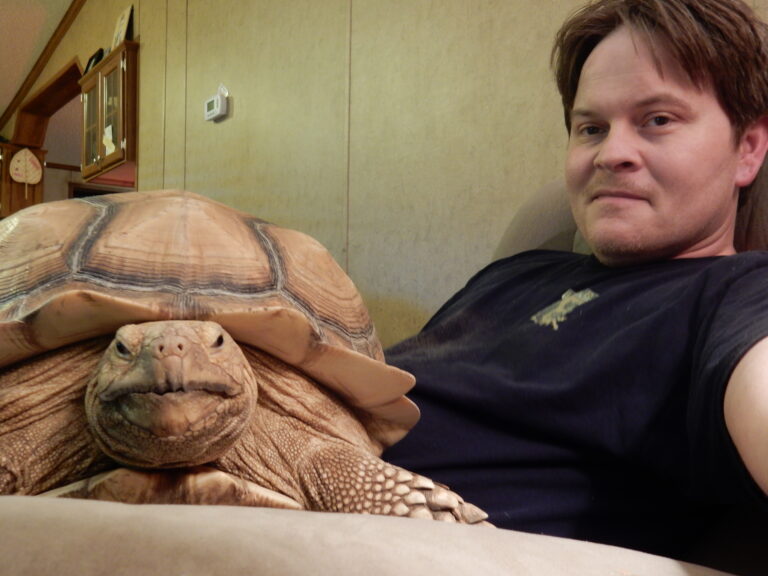
Starting and Running a Reptile & Amphibian Rescue
What it takes to run a reptile and amphibian rescue, and whether it is a path you want.
Self-paced · $35.00
View Full Details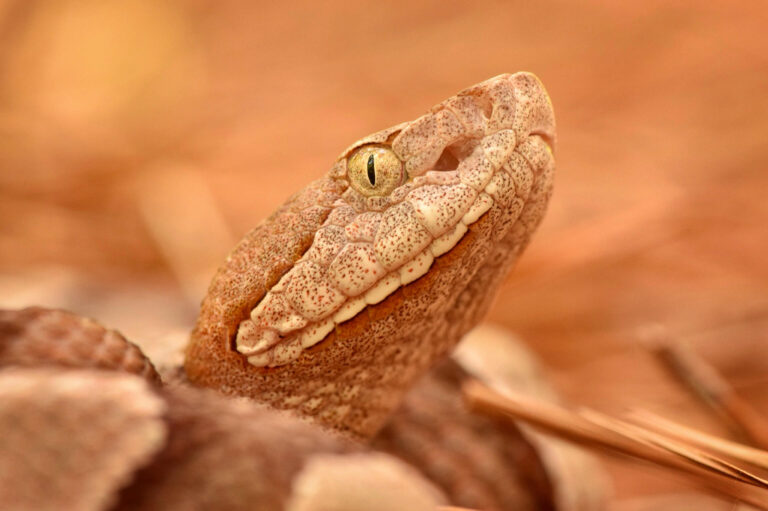
Coexisting With Wild Snakes
The myths, the biology, why identification rules fail, and what to actually do.
Self-paced · Free
View Full DetailsFree, and staying that way
Help keep these tools running
This tool, the free snakes course, the Primer and everything on our Resources page will always be free. If it helped you and you would like to help keep it running (and help us build the next one), you can pitch in. Everything given goes to LEARN, the nonprofit rescue that runs The Herpetology Collective, so it also helps feed, house and care for the animals we take in.