Trip planning tool
Build Your Field Gear Checklist
No AI-generated answers. Built from real sources and fixed rules.What this meansClose
When you use this tool, no AI writes your answer. The result comes from rules we set ahead of time, applied to information gathered from sources such as field guides, scientific records and our own courses. It is not made up on the spot.
AI did help us build it: writing code, organizing information and drafting some of the drawings.
Tick where you are going and what you will be doing, and get a packing list you can keep on your phone or print. Carry as much or as little as suits your comfort zone. Nobody gets to boss you about gear: everything here is a suggestion, never a requirement.
The checklist builder needs JavaScript. Here is the full suggested list, ready to print or tick off by hand.
Suggested field gear
Before you go
Most people bring this
- Vehicle keys, ID and any permit or license you need
- Tell someone your plan
Often useful
- Offline map or GPS app
Nice to have
- Whistle and compass
Light and power
Often useful
- HeadlampGive your eyes half an hour and you may need less light than you think.
- Spare batteries
- Power bank
Nice to have
- Small handheld light
Water and food
Most people bring this
- Water
Often useful
- Snacks
Nice to have
- Water bottle clip
- Collapsible spare bottle
Bugs, sun and sweat
Often useful
- Insect repellentAvoid DEET on your hands and arms if you might handle animals.
- Hat
- Sunscreen
Nice to have
- Hand towel
- Neck gaiter
- Lip balm
- Anti-chafe cream
Clothing and footwear
Most people bring this
- Long pants and closed shoes
Nice to have
- Rubber bootsNo clothing is snake-proof. Watch where you step.
- Light raincoat
- Warm layer
Accessibility and Comfort
Nice to have
- Polarized sunglassesThey cut the glare so you can see under the water.
- Prescription glasses (bring a spare if you have one)Hard to spot anything once your only pair breaks, fogs, or goes missing.
- Lightweight folding chairOne that packs down small enough to actually carry beats one that's merely comfortable.
- Walking stick or trekking poleSteadies you on uneven ground and takes some strain off a long day out.
Hygiene and first aid
Most people bring this
- Small first-aid kit
Often useful
- Hand sanitizerFor the end of the day, after handling is done.
Nice to have
- Tick check tool (fine tweezers)
- Soap strips
- Wipes and a small trowel
Carry and keep track
Often useful
- Small pack or belt pouches
Nice to have
- Carabiners
- Phone tether
- Dry bag
- Waterproof phone case
- Tracker tag on your gear
Photo and notes
Most people bring this
- Phone
Often useful
- Field guide for your area
Nice to have
- Notebook and pencil
- Binoculars (10x25 or larger)Handy for turtles and alligators across the water.
- Phone clamp or mini tripod
- Lens cloth
Handling and animal tools
Nice to have
- Field hook (walking-length snake hook)Lift cover toward you so it sits between you and whatever is under it. Check nothing gets squashed when you set it back.
- Short snake hook
- Powder-free exam glovesThe oils on our skin can irritate amphibian skin.
- Grippy work gloves
- Dip net (belt clip or telescoping)
- Small collection containerAnything you borrow to show others goes back where you found it.
- Blunt forceps
- Flexible tape measure
For a friend
Nice to have
- Loaner kit (spare hook or stick, light, whistle, compass)
Just for fun
Nice to have
- Small speaker
Go deeper
Keep learning with a course.
Everything on this page is free to use. If you would like to go further, our courses are self-paced and grounded in science, with no deadlines, and the free one is a good place to start.
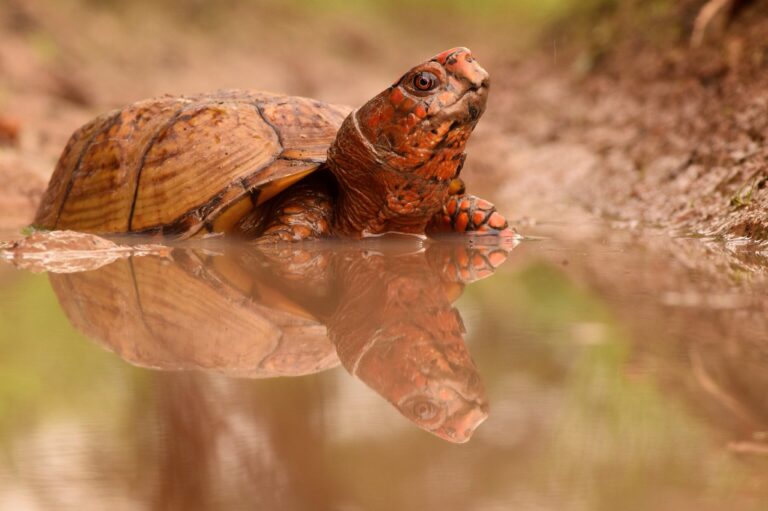
Certified Herpetological Guide
Covers the biology and the conservation, then pushes further: how to talk about these animals with people who are afraid of them.
Self-paced · $149.00
View Full Details
Certified Junior Herpetologist
The certification track written at a younger reading level, with adult-partnered fieldwork.
Self-paced · $109.00
View Full Details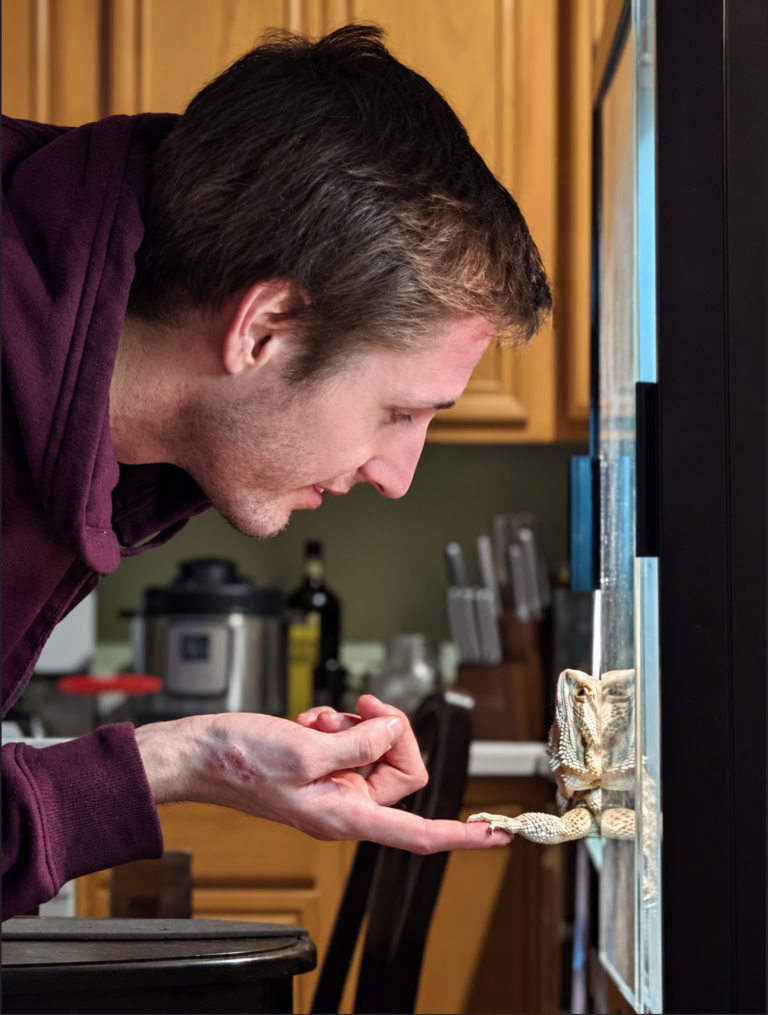
Foundations of Herpetological Husbandry
Science-based care for reptiles and amphibians in human care.
Self-paced · $49.00
View Full Details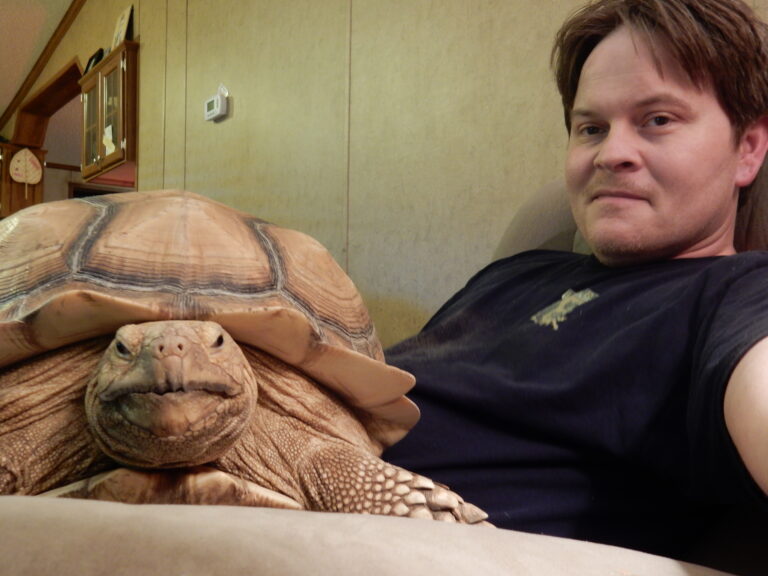
Starting and Running a Reptile & Amphibian Rescue
What it takes to run a reptile and amphibian rescue, and whether it is a path you want.
Self-paced · $35.00
View Full Details
Coexisting With Wild Snakes
The myths, the biology, why identification rules fail, and what to actually do.
Self-paced · Free
View Full DetailsFree, and staying that way
Help keep these tools running
This tool, the free snakes course, the Primer and everything on our Resources page will always be free. If it helped you and you would like to help keep it running (and help us build the next one), you can pitch in. Everything given goes to LEARN, the nonprofit rescue that runs The Herpetology Collective, so it also helps feed, house and care for the animals we take in.