
R-1.01 A Note About Herpetology
Updated
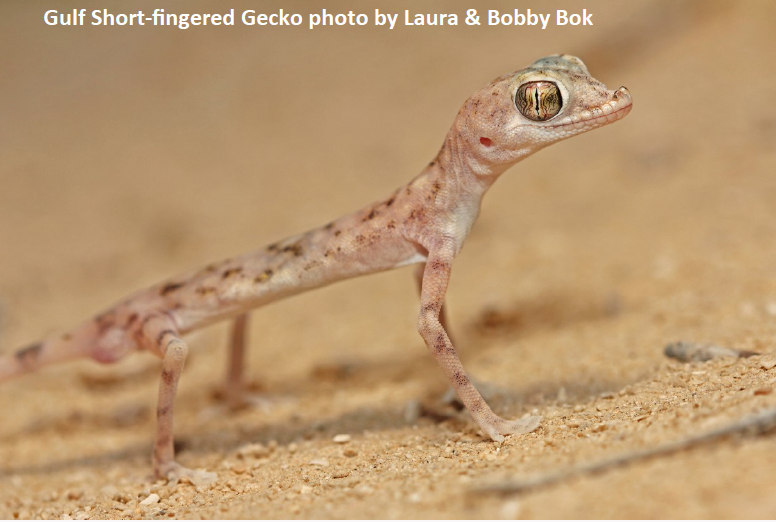
A Note About Herpetology
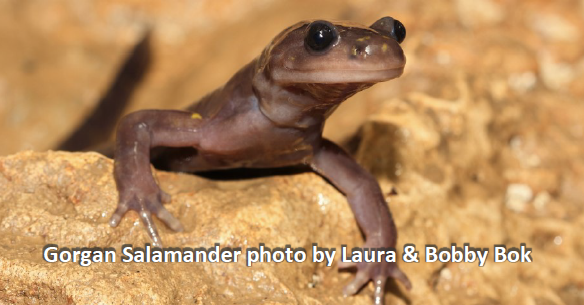
Herpetology is the study of reptiles (from the Greek words for “creeping things”) and amphibians (“double life”). Although reptiles and amphibians are not particularly close relatives, they are often grouped and studied together. This is because they often share the same habitats and have several physiological, behavioral, and ecological similarities. It may also simply be that the same people that enjoy one group also enjoy studying the other. Herpetology is a field of study with virtually limitless opportunities. Herps exhibit incredible diversity and have adapted to almost every niche imaginable. The following points are a few examples of the broad range of reptile & amphibian diversity.
- Herps inhabit every continent except Antarctica.
- They inhabit land and water, including the oceans.
- They live on mountaintops and down underground.
- They can be diurnal, nocturnal, crepuscular, and seasonal.
- Some lay eggs, others give live birth.
- Many can give birth without mating.
- Some actively forage, others are ambush predators.
- They range from having excellent eyesight to blindness.
- Many can go for months, and some even years, without eating.
- Reptiles are the longest-lived animals in many areas.
- Some live in the hottest deserts, and others freeze solid in the winter.
- They hunt by constriction, venom, luring, tongue adaptations, and many other methods.
- They exhibit almost every color imaginable, with many displaying dramatic and vivid color changes at will.
- Their diets range from prey as large as buffalo to as small as termite larvae.
- Many species don’t drink water, and some don’t even breathe air.
- Amphibians are known for their ability to metamorphose, encompassing very different forms in one lifetime.
- Several species are known to be able to change their sex when needed.
- Some can change how the sex of their offspring is determined if their environment changes.
- They can be herbivorous, omnivorous, carnivorous, insectivorous, or other various specialties.
- They move about in numerous ways, such as walking, jumping, rolling, sand-swimming, concertina motions, and more.
- Some can run on water, and some are hydrophobic (unsinkable).
With such staggering diversity among reptiles and amphibians, it is no surprise that we still have so much to learn from them!
No matter how long this course were to be, all it could hope to do is scratch the surface. The more we learn, the more we realize how little we know. Nonetheless, this work hopes to point you in the right direction and give you a head start on your further studies.