What lives near me
Find the reptiles and amphibians around you.
Type a ZIP or postal code and get the snakes, lizards, turtles, frogs and salamanders on record for your county, parish or local area: the standard names, the names people actually use, and how sure we are about each one. Built from museum records, iNaturalist observations and published range maps, for North and Central America and the Caribbean, plus Australia, Finland, Ireland, Japan, Latvia, Madagascar, New Zealand, Romania, Russia, South Africa and the UK. Free, and in beta.
No AI-generated answers. Built from real sources and fixed rules.What this meansClose
When you use this tool, no AI writes your answer. The result comes from rules we set ahead of time, applied to information gathered from sources such as field guides, scientific records and our own courses. It is not made up on the spot.
AI did help us build it: writing code, organizing information and drafting some of the drawings.
How this works and where the data comes from
Where it works
50 countries and territories so far, and growing.
Every shaded country has its own species lists, place by place, built from the records behind them. The darker the shade, the more records. New countries are added as their data is checked.
- under 50,000 records
- 50,000 to 499,999
- 500,000 to 999,999
- 1 million or more
- not covered yet
| Country | Places | Species | Records |
|---|---|---|---|
| Anguilla | 2 islands | 17 | 1,080 |
| Antigua and Barbuda | 3 islands | 17 | 1,176 |
| Aruba | 1 islands | 25 | 2,516 |
| Australia | 547 council areas | 1,194 | 3,376,732 |
| Bahamas | 32 districts | 52 | 12,933 |
| Barbados | 1 islands | 15 | 932 |
| Belize | 25 constituencies and atolls | 151 | 12,631 |
| Bermuda | 1 island groups | 9 | 1,385 |
| Bonaire, Sint Eustatius and Saba | 3 islands | 28 | 4,934 |
| British Virgin Islands | 4 islands | 30 | 2,298 |
| Canada | 293 census divisions | 137 | 668,691 |
| Cayman Islands | 3 islands | 25 | 3,821 |
| Costa Rica | 85 cantons | 403 | 180,250 |
| Cuba | 16 provinces | 175 | 15,995 |
| Curaçao | 1 islands | 22 | 3,531 |
| Dominica | 1 islands | 17 | 2,329 |
| Dominican Republic | 155 municipalities | 78 | 27,978 |
| El Salvador | 44 municipalities | 95 | 5,328 |
| Finland | 308 municipalities | 14 | 23,459 |
| Grenada | 2 islands | 29 | 1,742 |
| Guadeloupe | 7 islands | 28 | 4,076 |
| Guatemala | 22 departments | 264 | 23,480 |
| Haiti | 45 arrondissements and islands | 116 | 22,054 |
| Honduras | 20 departments and islands | 308 | 30,834 |
| Ireland | 26 counties | 13 | 9,820 |
| Jamaica | 14 parishes | 58 | 7,785 |
| Japan | 1,747 municipalities | 128 | 46,996 |
| Latvia | 42 municipalities and state cities | 16 | 851 |
| Madagascar | 120 districts | 524 | 34,363 |
| Martinique | 1 islands | 21 | 4,333 |
| Mexico | 2,478 municipios | 1,366 | 734,387 |
| Montserrat | 1 islands | 9 | 407 |
| New Zealand | 69 districts, cities and islands | 17 | 7,682 |
| Nicaragua | 19 departments and islands | 225 | 8,602 |
| Panama | 84 districts | 361 | 42,074 |
| Puerto Rico | 80 municipios | 75 | 45,533 |
| Romania | 3,186 communes and towns | 40 | 11,480 |
| Russia | 84 federal subjects | 99 | 95,708 |
| Saint Barthélemy | 1 islands | 13 | 206 |
| Saint Kitts and Nevis | 2 islands | 18 | 632 |
| Saint Lucia | 2 islands | 22 | 730 |
| Saint Martin and Sint Maarten | 1 islands | 22 | 1,718 |
| Saint Pierre and Miquelon | 2 island groups | 2 | 33 |
| Saint Vincent and the Grenadines | 2 islands | 25 | 2,473 |
| South Africa | 213 municipalities | 513 | 263,271 |
| Trinidad and Tobago | 2 islands | 124 | 14,368 |
| Turks and Caicos Islands | 6 districts | 15 | 853 |
| U.S. Virgin Islands | 3 islands | 27 | 4,941 |
| United Kingdom | 361 local authority areas | 28 | 522,448 |
| United States | 3,144 counties | 786 | 6,801,911 |
| All | 13,311 | 7,796* | 13,093,790 |
Why this exists
Knowing what lives near you is the first step in identifying it.
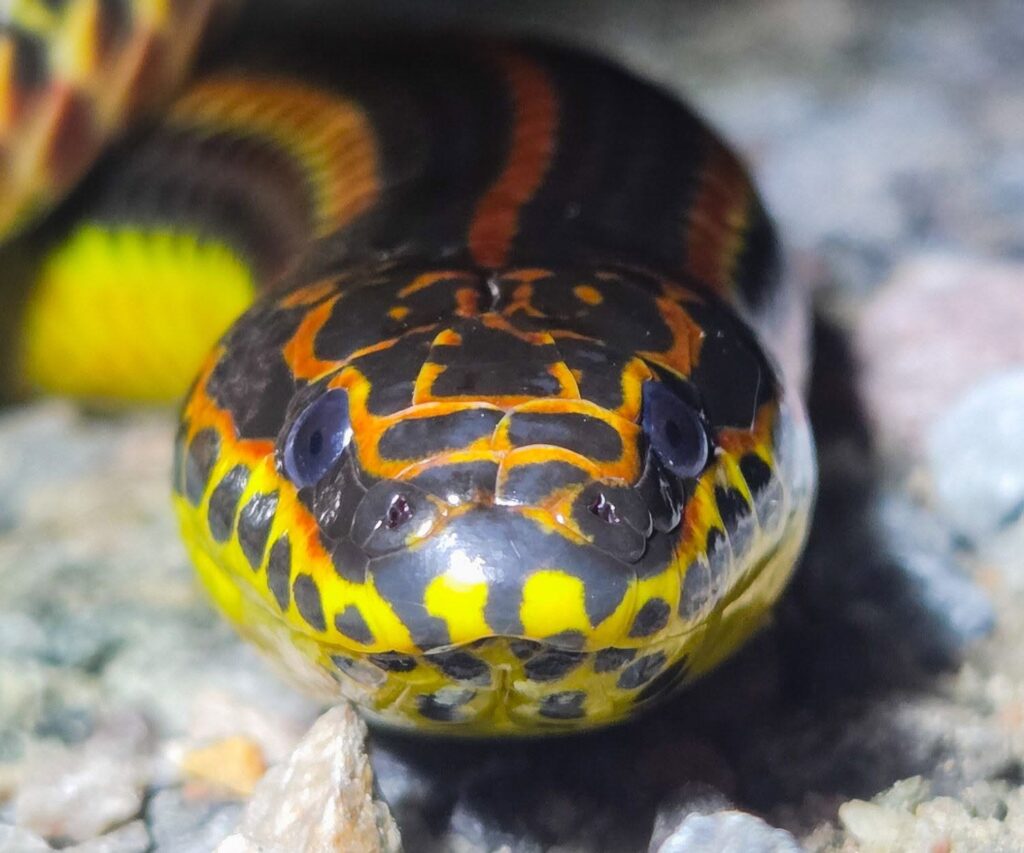
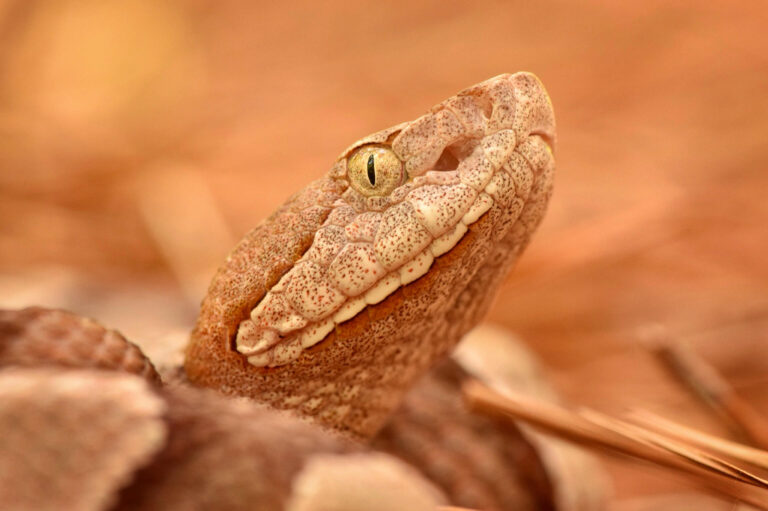
Most identification mistakes start with a list that is too long. If you know which six watersnakes and two pit vipers actually occur in your parish, a snake at the pond edge becomes a much smaller puzzle. This finder is meant to shorten that list quickly, show its work, and send you to the best places to learn more.
Every species links to iNaturalist (including sightings in your own area), to the CNAH species account for North American species, and to AmphibiaWeb or the Reptile Database. In the United States and Canada, frogs and toads also carry a Hear the call button and a note on when they call in your state; What’s Calling Near Me is the same list laid out for listening. If something looks wrong, the Something wrong? link on each species goes straight to us.
Found a shed instead of a snake? Whose Shed Is This? starts from this same county list and narrows it using the scales a shed keeps. The same goes for a turtle or its shell (Whose Shell Is This?), a toad (Which Toad Is This?) and a skink (Which Skink Is This?). These keys cover the United States and Canada for now.
Go deeper
Turn a list of names into understanding.
The finder tells you what lives near you. The courses teach how those animals live, how to tell them apart, how to care for them, and how to talk about them with people who are afraid of them. Every course is self-paced and grounded in science; two are free, and the rest are priced to stay within reach. Where a card shows an opening date, you can enroll now and start on that day.
Coexisting With Wild Snakes
For anyone who shares space with snakes
A free course on living alongside snakes: the myths, the biology, why identification rules fail, and what to actually do.
Self-paced · about 5 hours · Free
View Full Details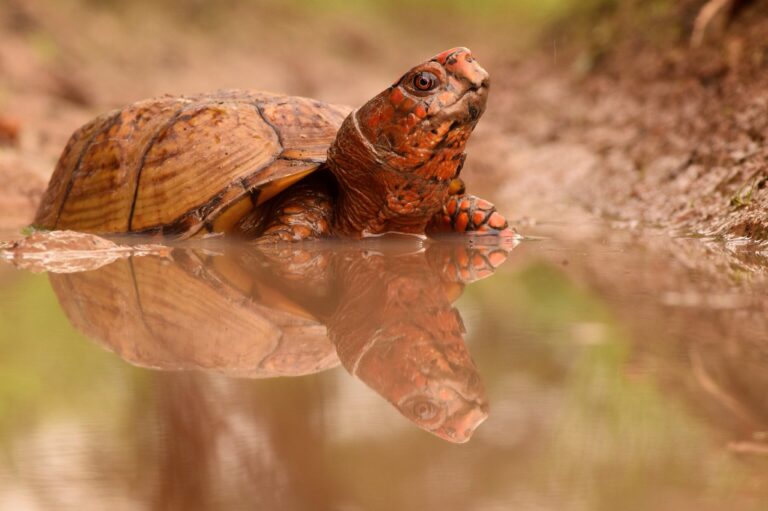
Certified Herpetological Guide
For adults
Covers the biology and the conservation, then pushes further: how to talk about these animals with people who are afraid of them.
Self-paced · about 50 hours · [thc_course_price product=”4398″]
View Full Details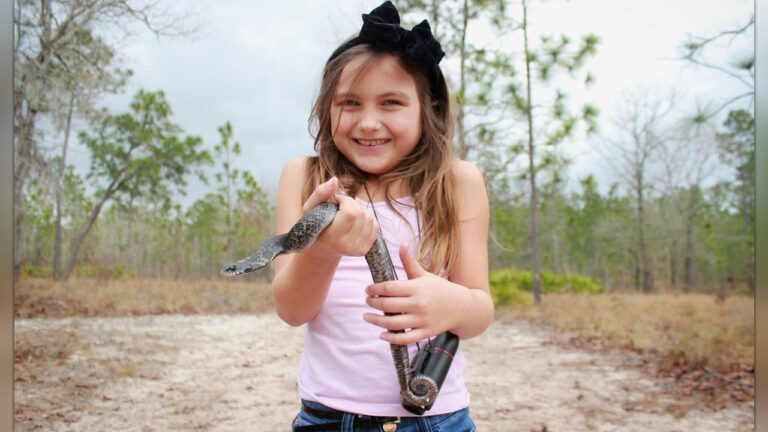
Certified Junior Herpetologist
For teens and tweens
The certification track written at a younger reading level, with adult-partnered fieldwork.
Self-paced · about 30 hours · [thc_course_price product=”5243″]
View Full Details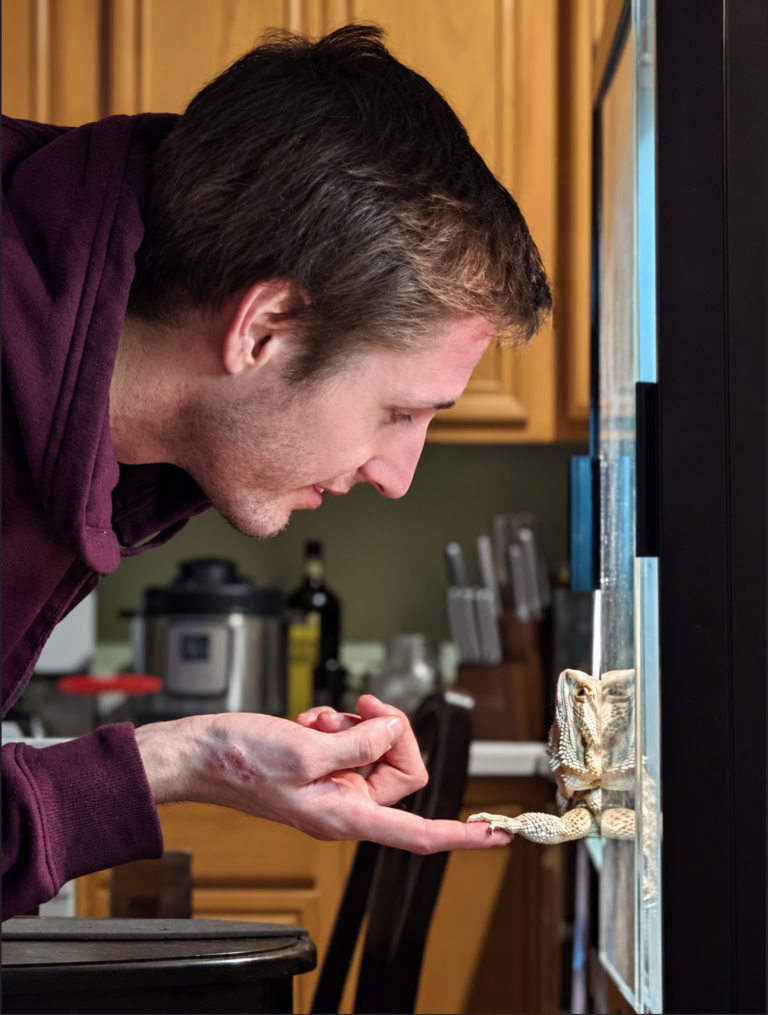
Foundations of Herpetological Husbandry
For people who keep reptiles and amphibians
Science-based care for reptiles and amphibians in human care.
Self-paced · about 8 hours · [thc_course_price product=”5003″]
View Full Details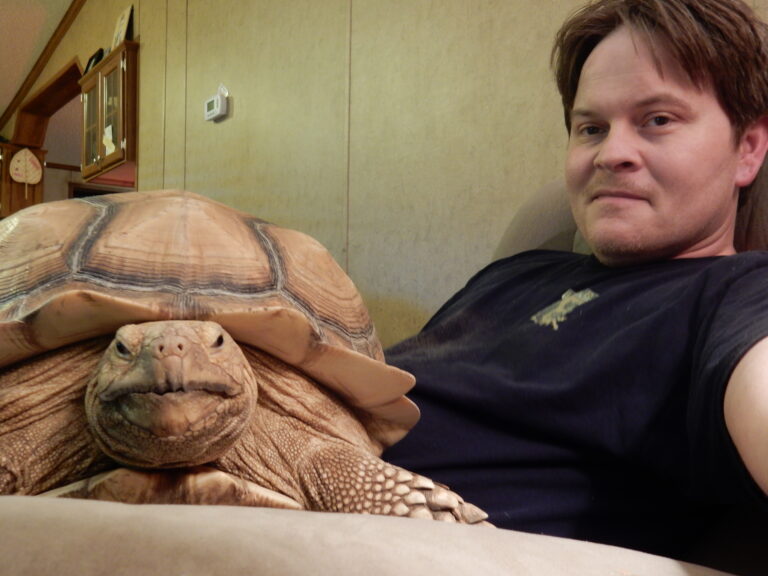
Starting and Running a Reptile & Amphibian Rescue
For people starting or running a rescue
What it takes to run a reptile and amphibian rescue, including whether wildlife rehabilitation is a path you want to pursue.
Self-paced · about 6 hours · [thc_course_price product=”5323″]
View Full Details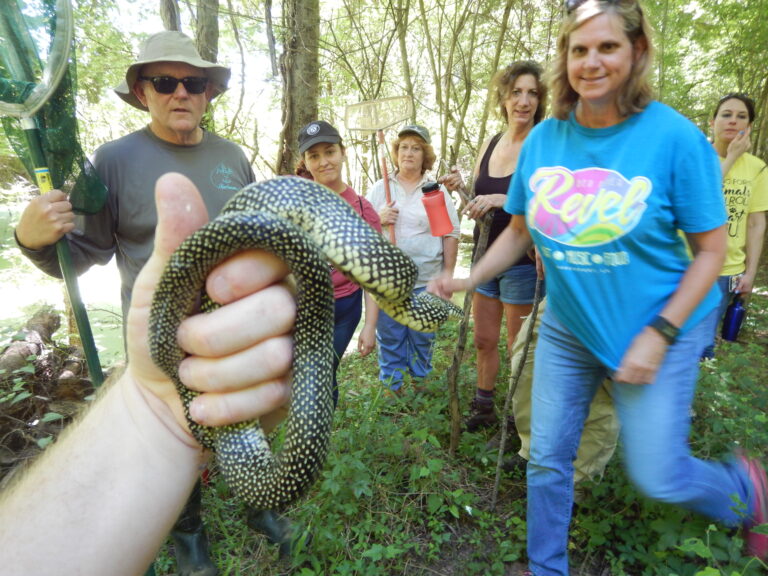
Field Ethics & Practices
For anyone joining a herping or wilderness trip
A short, free course on how to be a good field companion: respect the site, respect the animals, keep locations private, know the rules, and stay safe.
Self-paced · about 2 hours · Free
View Full DetailsFree, and staying that way
Help keep these tools running
This tool, the free snakes course, the Primer and everything on our Resources page will always be free. If it helped you and you would like to help keep it running (and help us build the next one), you can pitch in. Everything given goes to LEARN, the nonprofit rescue that runs The Herpetology Collective, so it also helps feed, house and care for the animals we take in.