Anoles
Get to know the anoles.
The United States has one native anole and a growing cast of introduced ones. Puerto Rico and the U.S. Virgin Islands add fourteen native species of their own. This corner of the site is for all of them, and it grows region by region. Free, and in beta.
No AI-generated answers. Built from real sources and fixed rules.What this meansClose
When you use this tool, no AI writes your answer. The result comes from rules we set ahead of time, applied to information gathered from sources such as field guides, scientific records and our own courses. It is not made up on the spot.
AI did help us build it: writing code, organizing information and drafting some of the drawings.
Anoles are the quick little lizards on fences, walls and shrubs, the ones that flash a bright throat fan. Meet them, test yourself on those fans, and get straight answers to the questions people ask most.
- Meet the Anoles 22 anoles found in the places we cover, native and introduced, with photos and how to tell them apart.
- Whose Dewlap Is This? A ten-round photo quiz on throat fans. Share your score when you are done.
- Green or Brown? Anole questions answered Color changes, dropped tails, chameleon mix-ups and which anoles are native.
Live now: United States; Puerto Rico and the U.S. Virgin Islands.
Expanding soon: Jamaica and the Lesser Antilles; Mexico and Costa Rica; Hispaniola and Cuba; Central and South America.
Go deeper
Keep learning with a course.
Everything on this page is free to use. If you would like to go further, our courses are self-paced and grounded in science, with no deadlines, and the free one is a good place to start.
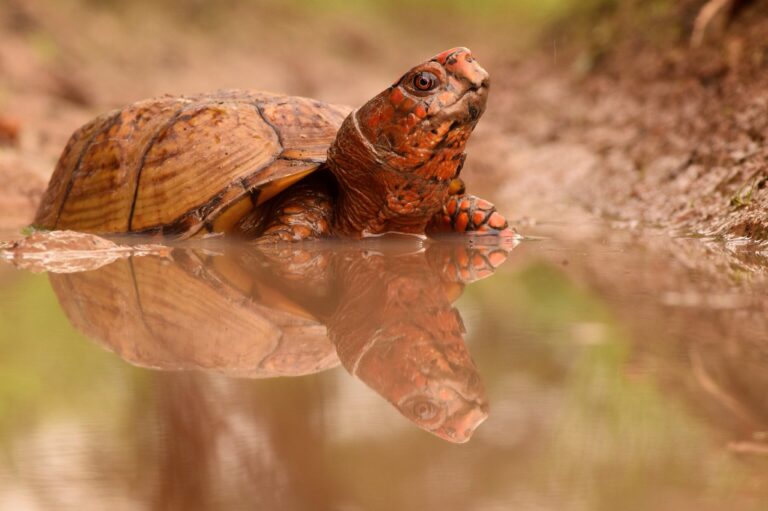
Certified Herpetological Guide
Self-paced · $149.00
View Full Details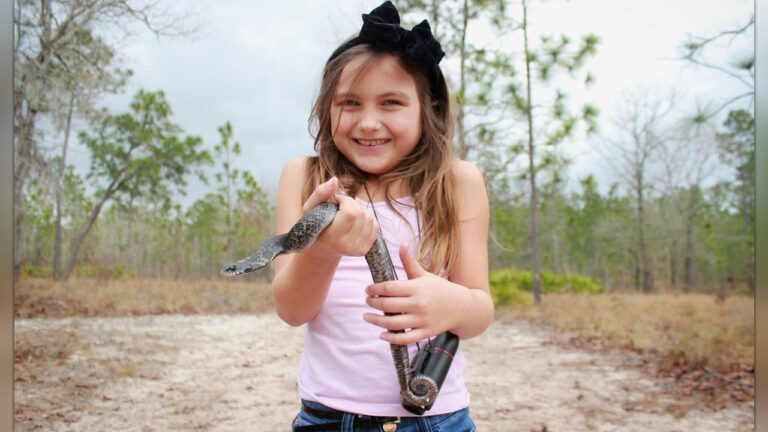
Certified Junior Herpetologist
Self-paced · $109.00
View Full Details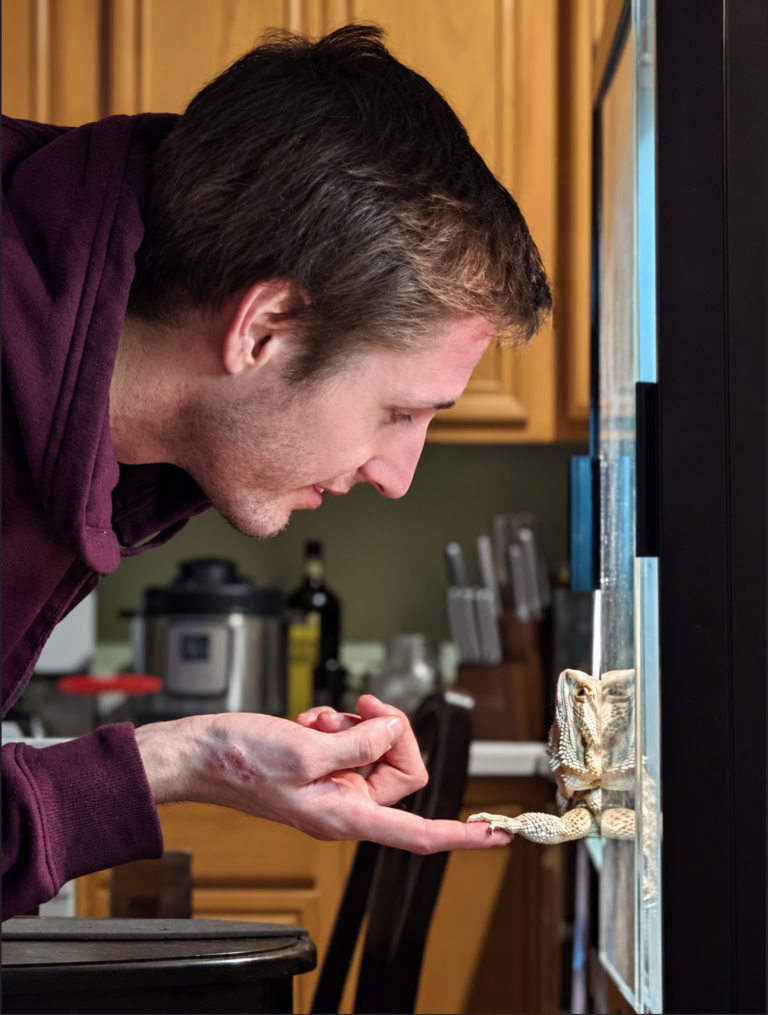
Foundations of Herpetological Husbandry
Self-paced · $49.00
View Full Details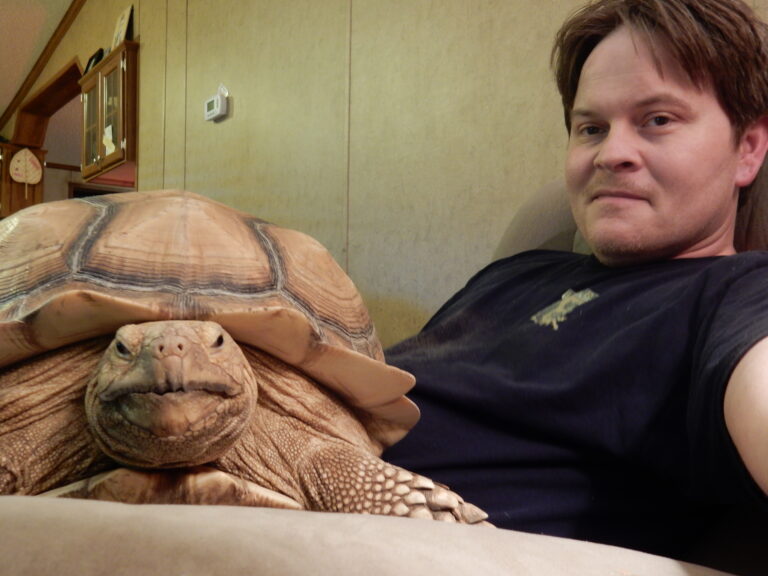
Starting and Running a Reptile & Amphibian Rescue
Self-paced · $35.00
View Full Details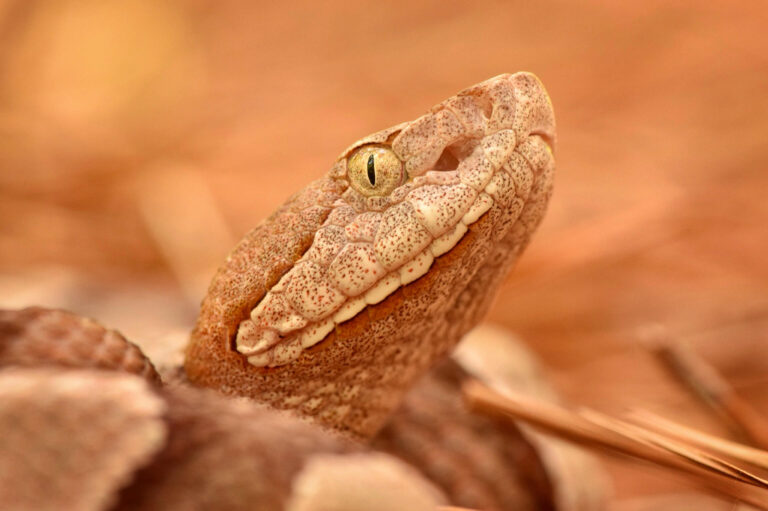
Coexisting With Wild Snakes
A free course on living alongside snakes: the myths, the biology, why identification rules fail, and what to actually do.
Self-paced · Free
View Full DetailsFree, and staying that way
Help keep these tools running
This tool, the free snakes course, the Primer and everything on our Resources page will always be free. If it helped you and you would like to help keep it running (and help us build the next one), you can pitch in. Everything given goes to LEARN, the nonprofit rescue that runs The Herpetology Collective, so it also helps feed, house and care for the animals we take in.