Which toad is this?
Identify a toad.
Found a toad in the yard, on the porch or crossing the road? Answer a few questions about what you can see (the big glands behind the eyes, the ridges on top of the head, the warts in the dark spots) and this key narrows the possibilities to the toads that actually live where you found it, showing its reasoning at every step. It also tells you when your “toad” is really a spadefoot or a narrow-mouthed toad. Skip any question you can’t answer. Free, and in beta.
Loading the key…
How it works
The head tells most of the story.
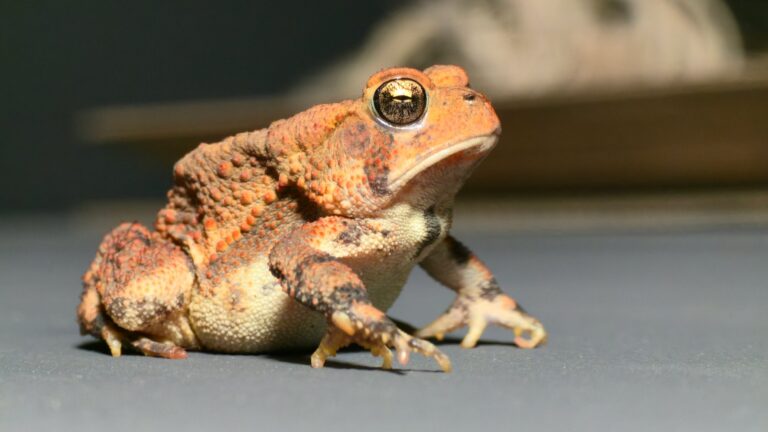
Every true toad has a pair of big raised glands behind the eyes, called parotoid glands. What sets the species apart is mostly on top of the head: whether bony ridges (cranial crests) are there at all, whether they touch those glands, and whether they end in knobs or meet in a hump. Warts per dark spot, a light stripe down the back, the overall pattern and the call sort the rest. Add where you found it, and the list gets short.
Photograph the top of the head
One picture looking straight down on the head, showing the eyes, the ridges between them and the glands behind them, settles more toads than any other. Add one of the back and one from the side, with a coin or ruler for scale, and leave the toad where you found it.
Wash your hands, and mind the dog
Toad skin secretions irritate eyes and mouths, so wash your hands after touching one; handling a toad does not cause warts. Keep dogs away from Cane Toads and Sonoran Desert Toads: their toxin can seriously poison or kill a dog that mouths one. If that happens, call a veterinarian right away.
What the key can’t do
Some toads that live side by side interbreed, and the field guides warn that not every individual shows every feature. Young toads may not have grown their ridges yet, and tadpoles and eggs are beyond this key. Treat the result as a short list, and use the “what would separate them” hints and the call to finish the job.
The toad characters were compiled from the Peterson field guides for eastern and western North America, with sources listed on every candidate. Several toads are protected by state or federal law, including the Houston, Arroyo, Wyoming and Yosemite toads. Hear the frogs and toads calling where you live on What’s Calling Near Me, or see every one on record for your county on What Lives Near Me.
Go deeper
Turn a name into understanding.
The key tells you which toad you found. The courses teach how those animals live, how to tell them apart, how to care for them, and how to talk about them with people who are afraid of them. Every course is self-paced and grounded in science; one is free, and the rest are priced to stay within reach.
Free
Coexisting With Wild Snakes
For anyone who shares space with snakes
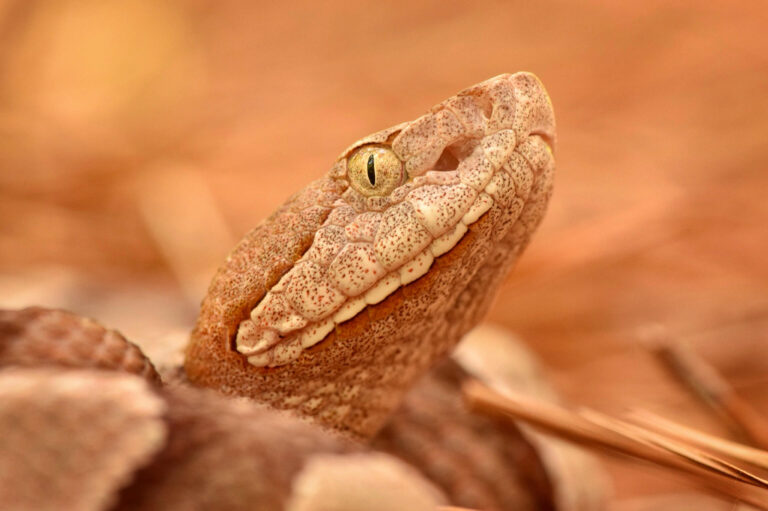
A free course on living alongside snakes: the myths, the biology, why identification rules fail, and what to actually do.
Self-paced · about 5 hours · Free
View Full Details
Open for enrollment
Certified Herpetological Guide
For adults
Covers the biology and the conservation, then pushes further: how to talk about these animals with people who are afraid of them.
Self-paced · about 50 hours · $149.00
View Full Details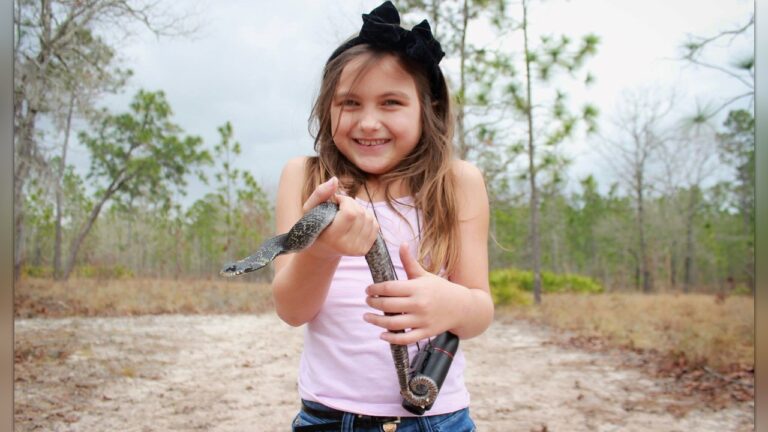
Open for enrollment
Certified Junior Herpetologist
For teens and tweens
The certification track written at a younger reading level, with adult-partnered fieldwork.
Self-paced · about 30 hours · $109.00
View Full Details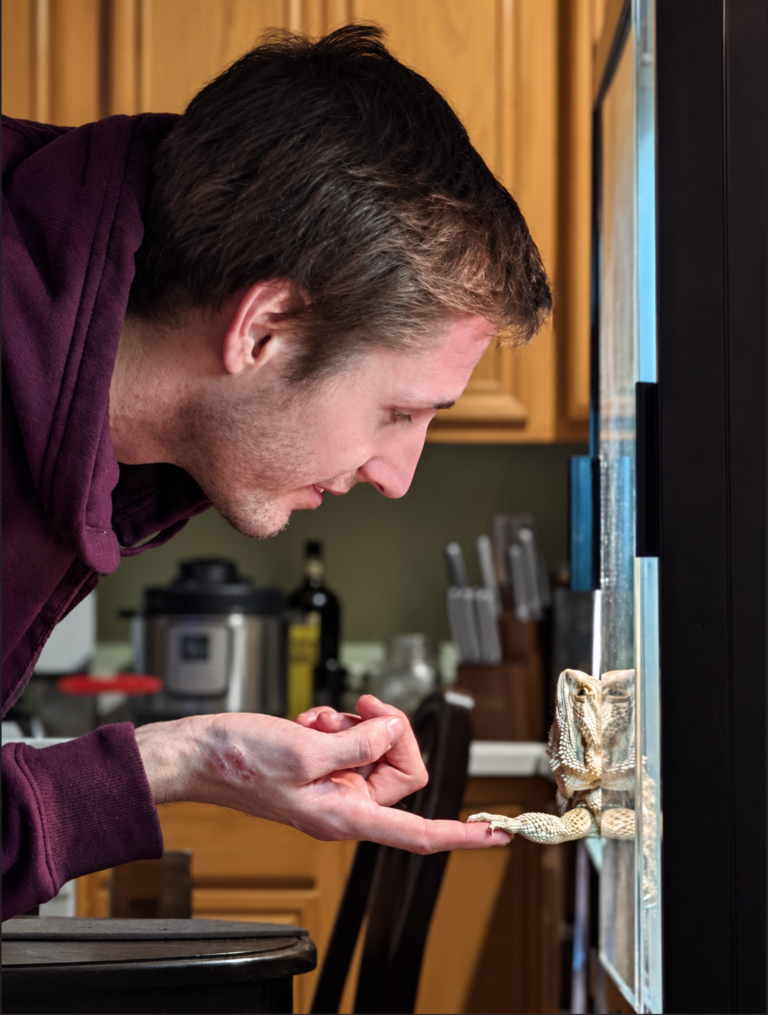
Coming soon
Foundations of Herpetological Husbandry
For people who keep reptiles and amphibians
Science-based care for reptiles and amphibians in human care.
Self-paced · about 8 hours · $49.00
View Full Details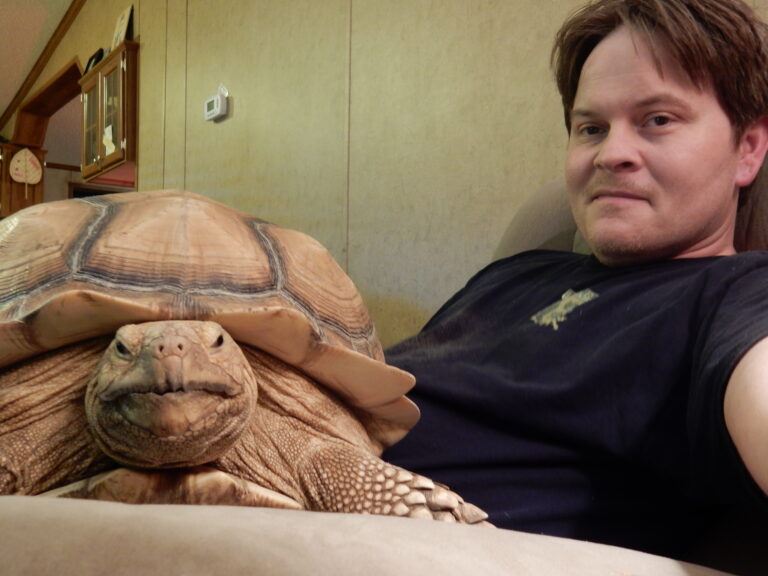
Coming soon
Starting and Running a Reptile & Amphibian Rescue
For people starting or running a rescue
What it takes to run a reptile and amphibian rescue, including whether wildlife rehabilitation is a path you want to pursue.
Self-paced · about 6 hours · $35.00
View Full Details