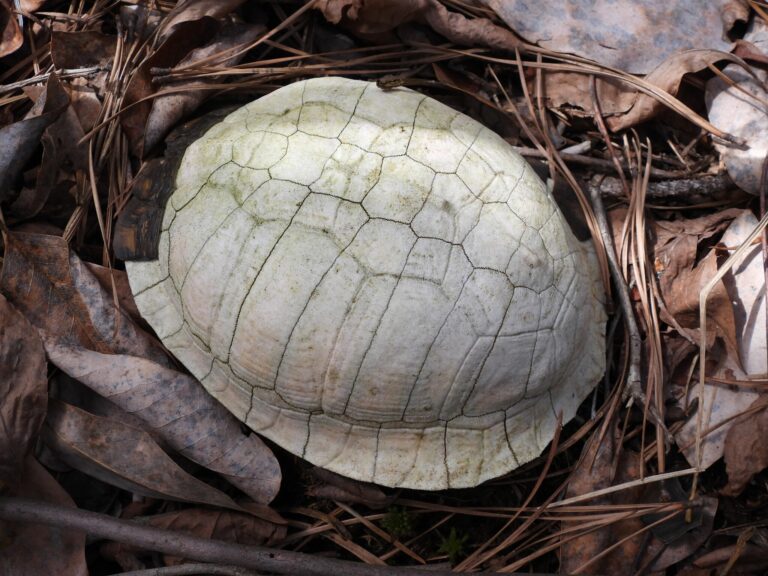
Whose shell is this?
Identify a turtle or a turtle shell.
Found a turtle, an empty shell, or a bleached shell with every marking worn away? Answer a few questions about what you can see (the kind of shell, the bottom shell, any hinges, ridges and edges) and this key narrows the possibilities to the turtles that actually live where you found it, showing its reasoning at every step. Skip any question you can’t answer. Free, and in beta.
Loading the key…
How it works
A shell keeps its shape long after the color is gone.
Colors fade and the horny plates (scutes) eventually peel away, but the shape of the shell stays, and a few features separate the families of U.S. turtles: flippers or feet, a hard shell or a soft one, a small cross-shaped bottom shell (snapping turtles), one hinge (box turtles and Blanding’s Turtle) or two (mud turtles), and the thick shelf under a tortoise’s neck. Ridges, the back edge and the number of side scutes then sort the rest. Add where you found it, and the list gets short.
Reading a bleached shell
When the scutes are gone, the bone underneath still carries smooth, shallow grooves where each scute sat. Those grooves are what to read. The zig-zag lines are seams between the bones themselves and follow a different pattern. Low, sideways light makes the grooves easier to see.
Three photos settle most shells
The top, the bottom and one side, with a coin or ruler for scale. For a live turtle, add the side of the head, and take the pictures from a short distance without picking it up. If you ask for help anywhere, these are what an experienced eye needs.
What the key can’t do
A shell rarely settles closely related species on its own (map turtles and cooters especially), and old or worn shells lose the ridges and edge teeth that young turtles have. Treat the result as a short list, and use the “what would separate them” hints to finish the job.
Sea turtles are federally protected, and so are their shells and bones: if you find sea turtle remains, leave them where they are and report them to the sea turtle stranding network. The shell characters were compiled from the Peterson field guides, NOAA’s guide to sea turtle anatomy and the Virginia Herpetological Society’s turtle key, with sources listed on every candidate. Found a live turtle instead? What Lives Near Me lists every turtle on record for your county.
Go deeper
Turn a name into understanding.
The key tells you whose shell you found. The courses teach how those animals live, how to tell them apart, how to care for them, and how to talk about them with people who are afraid of them. Every course is self-paced and grounded in science; one is free, and the rest are priced to stay within reach.
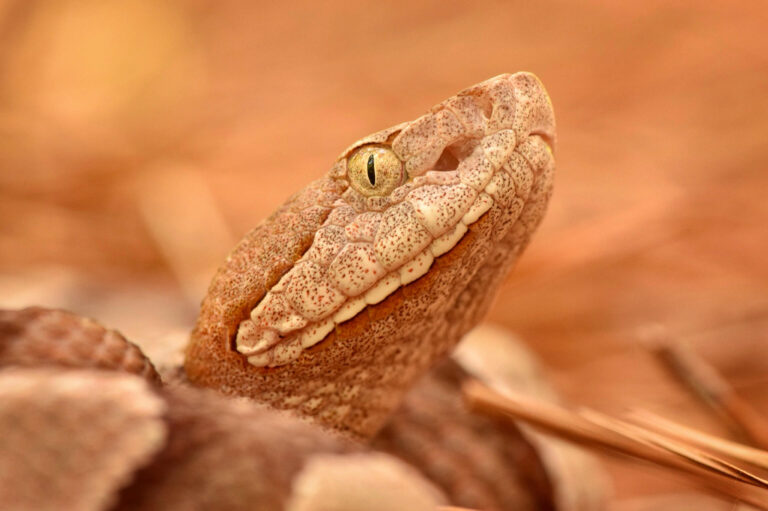
Free
Coexisting With Wild Snakes
For anyone who shares space with snakes
A free course on living alongside snakes: the myths, the biology, why identification rules fail, and what to actually do.
Self-paced · about 5 hours · Free
View Full Details
Open for enrollment
Certified Herpetological Guide
For adults
Covers the biology and the conservation, then pushes further: how to talk about these animals with people who are afraid of them.
Self-paced · about 50 hours · $149.00
View Full Details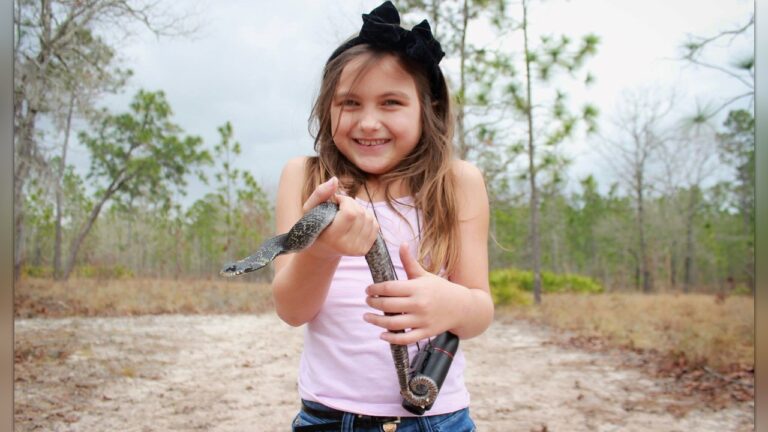
Open for enrollment
Certified Junior Herpetologist
For teens and tweens
The certification track written at a younger reading level, with adult-partnered fieldwork.
Self-paced · about 30 hours · $109.00
View Full Details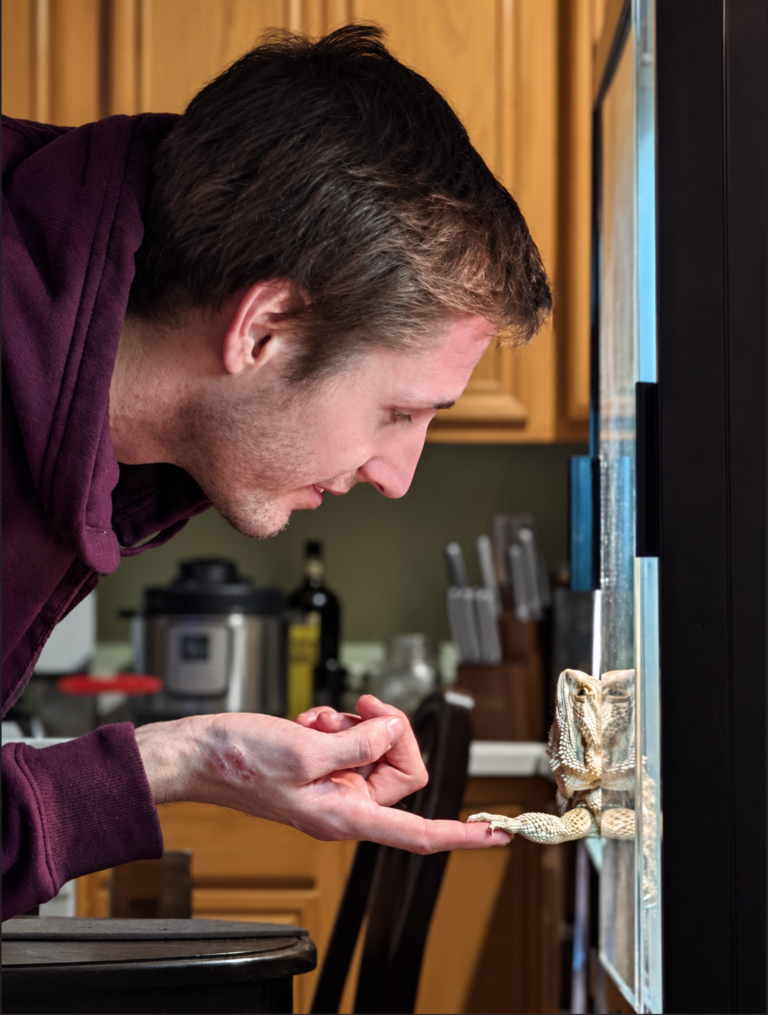
Coming soon
Foundations of Herpetological Husbandry
For people who keep reptiles and amphibians
Science-based care for reptiles and amphibians in human care.
Self-paced · about 8 hours · $49.00
View Full Details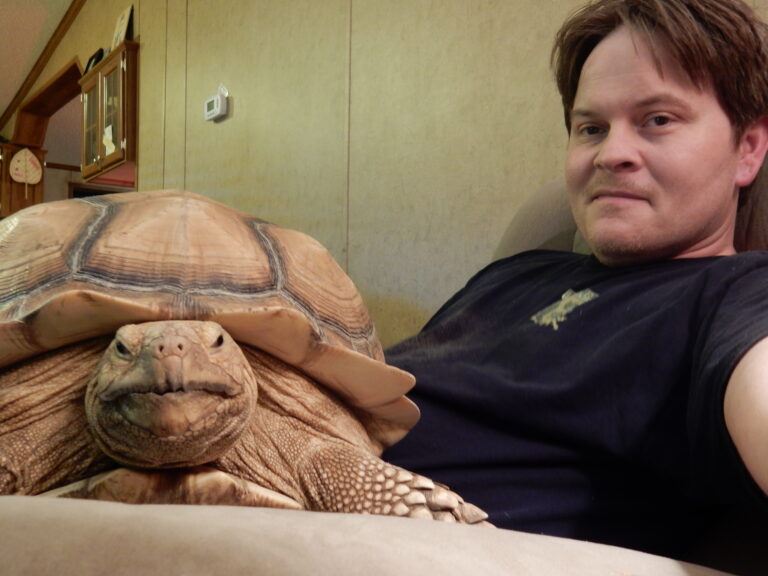
Coming soon
Starting and Running a Reptile & Amphibian Rescue
For people starting or running a rescue
What it takes to run a reptile and amphibian rescue, including whether wildlife rehabilitation is a path you want to pursue.
Self-paced · about 6 hours · $35.00
View Full Details