
About Course
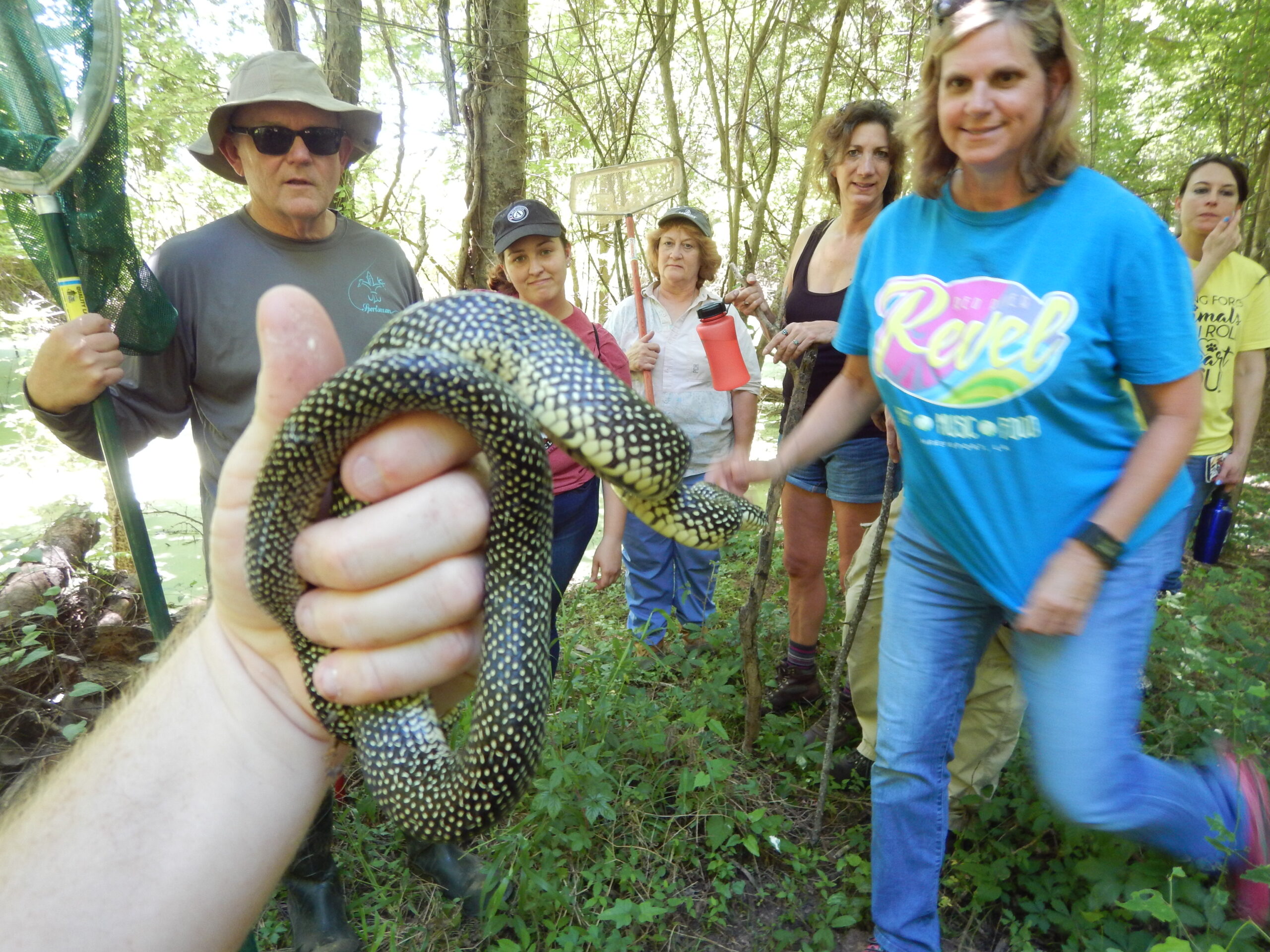
Field Ethics & Practices is a short, free, self-paced course for anyone who wants to join a herping trip or other field outing, and for trip leaders who want companions to arrive knowing the ground rules.
In about two hours, including the exam, you will learn how to respect a site (cover objects, trails, trash, decontamination), its animals (observe first, no collecting or relocating, never approaching snakes you cannot identify), its locations (why exact sites stay private, and how geoprivacy works), the law and land-access rules, and how to stay safe and be a good member of a group, including current snakebite first aid.
The course never asks you to catch, touch, or approach an animal. It ends with a 25-question exam (90% to pass, unlimited retakes) and a signable Field Best Practices Agreement you can hand to your trip leader. You earn a certificate of completion. Completion is not a professional credential and does not certify anyone as safe to bring on a trip.
Course Content
Start Here: Course Orientation
-
Welcome: Who This Course Is For and What It Means
-
How the Course Works (and What It Never Asks of You)
Unit 1: Why Field Ethics
Unit 2: Respecting the Site
Unit 3: Respecting the Animals
Unit 4: Locations, Records & Data
Unit 5: Law & Land Access
Unit 6: Safety & Group Conduct
Final Exam & Agreement
Earn a certificate
Receive an elegant certificate upon completion.
Student Ratings & Reviews

No Review Yet