What lives near me
Find the reptiles and amphibians around you.
Type a ZIP code and get the snakes, lizards, turtles, frogs and salamanders on record for your county or parish: the standard names, the names people actually use, and how sure we are about each one. Built from museum records, iNaturalist observations and USGS range maps for every county in the United States. Free, and in beta.
How this works and where the data comes from
Why this exists
Knowing what lives near you is the first step in identifying it.
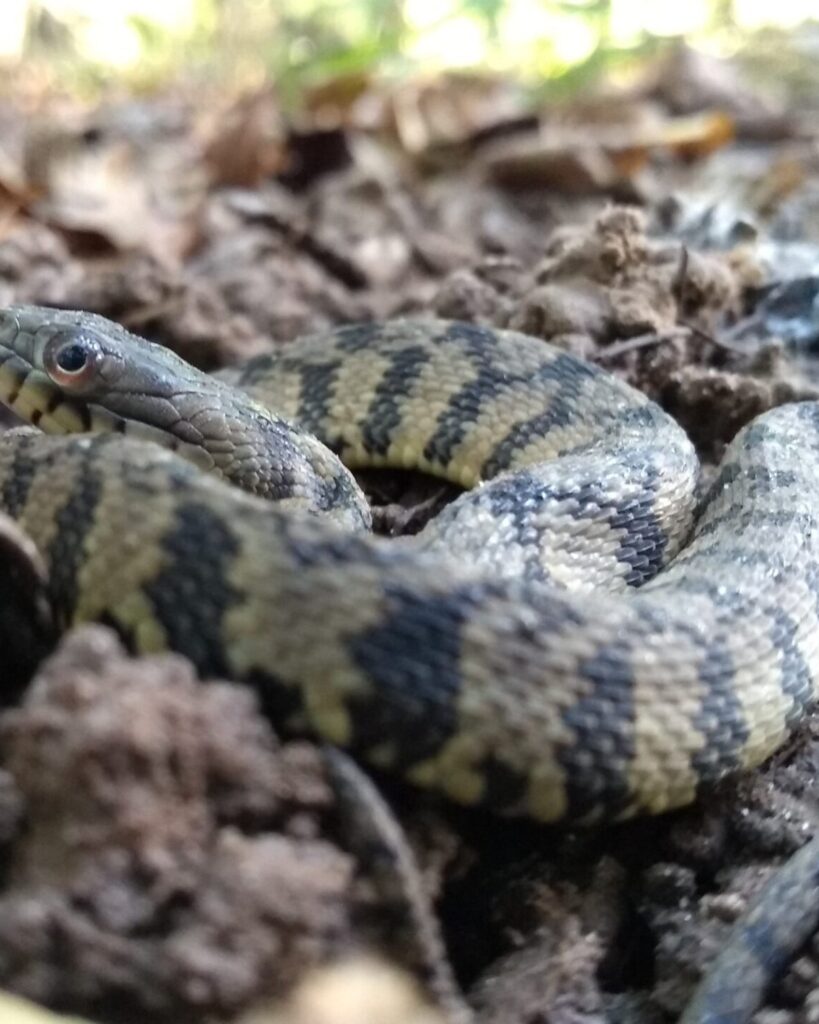
Most identification mistakes start with a list that is too long. If you know which six watersnakes and two pit vipers actually occur in your parish, a snake at the pond edge becomes a much smaller puzzle. This finder is meant to shorten that list quickly, show its work, and send you to the best places to learn more.
Every species links to iNaturalist (including sightings in your own county), to the CNAH species account, and to AmphibiaWeb or the Reptile Database. Frogs and toads also carry a Hear the call button and a note on when they call in your state; What’s Calling Near Me is the same list laid out for listening. If something looks wrong, the Something wrong? link on each species goes straight to us.
Go deeper
Turn a list of names into understanding.
The finder tells you what lives near you. The courses teach how those animals live, how to tell them apart, how to care for them, and how to talk about them with people who are afraid of them. Every course is self-paced and grounded in science; one is free, and the rest are priced to stay within reach.
Free
Coexisting With Wild Snakes
For anyone who shares space with snakes
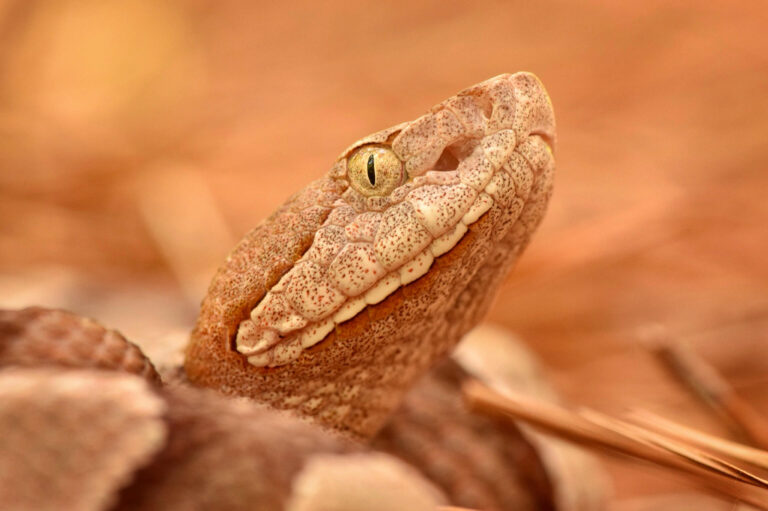
A free course on living alongside snakes: the myths, the biology, why identification rules fail, and what to actually do.
Self-paced · about 5 hours · Free
View Full Details
Open for enrollment
Certified Herpetological Guide
For adults
Covers the biology and the conservation, then pushes further: how to talk about these animals with people who are afraid of them.
Self-paced · about 50 hours · $149.00
View Full Details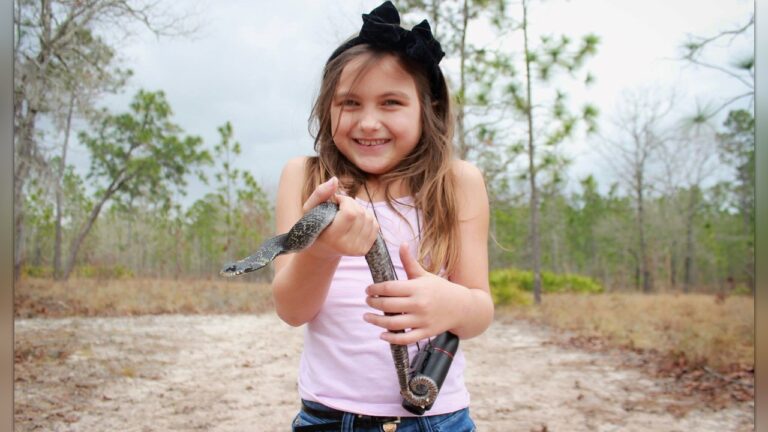
Open for enrollment
Certified Junior Herpetologist
For teens and tweens
The certification track written at a younger reading level, with adult-partnered fieldwork.
Self-paced · about 30 hours · $109.00
View Full Details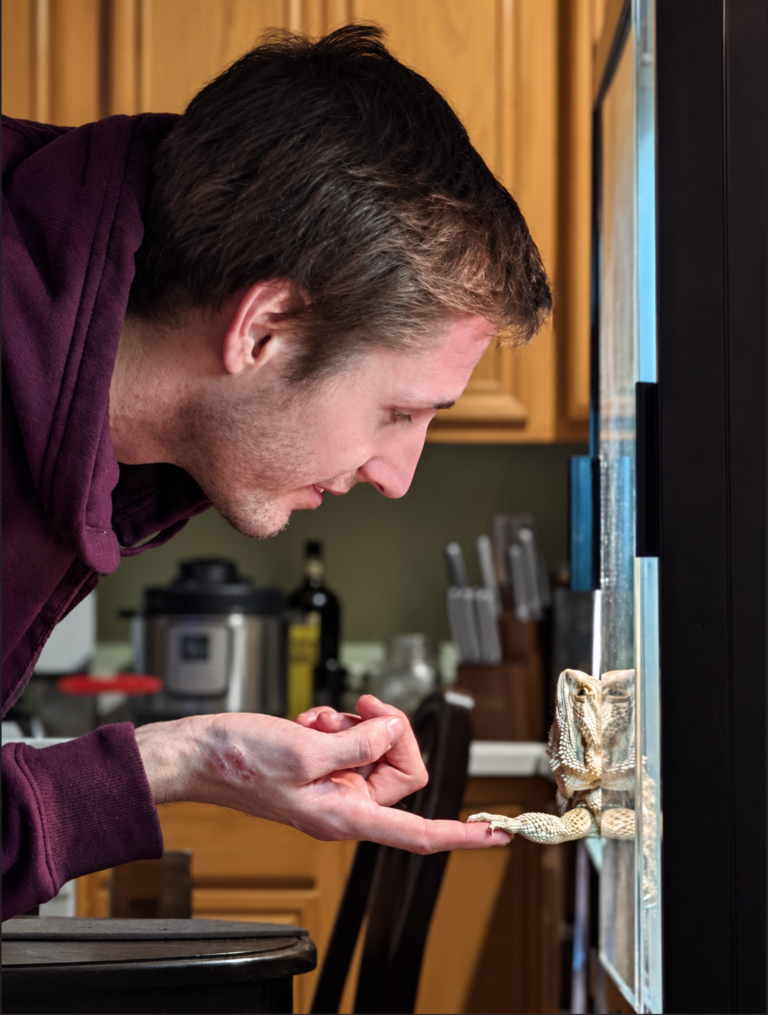
Coming soon
Foundations of Herpetological Husbandry
For people who keep reptiles and amphibians
Science-based care for reptiles and amphibians in human care.
Self-paced · about 8 hours · $49.00
View Full Details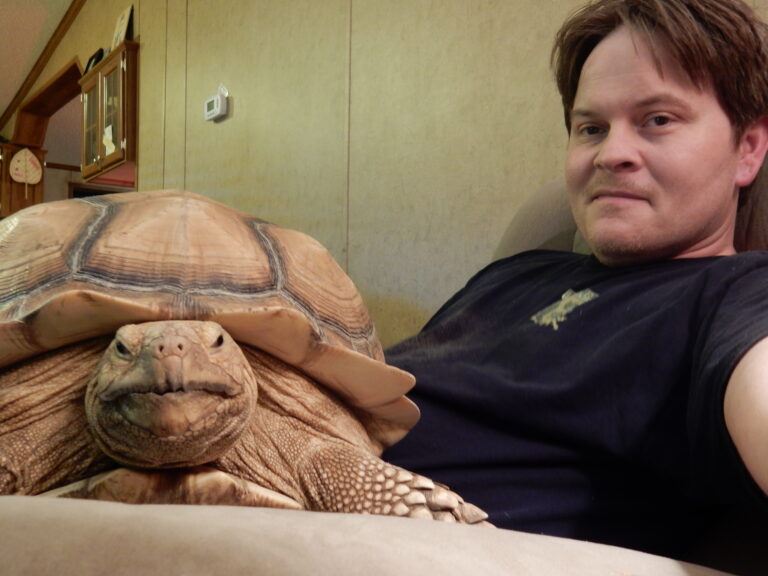
Coming soon
Starting and Running a Reptile & Amphibian Rescue
For people starting or running a rescue
What it takes to run a reptile and amphibian rescue, including whether wildlife rehabilitation is a path you want to pursue.
Self-paced · about 6 hours · $35.00
View Full DetailsFree, and staying that way
Help keep these tools running
This tool, the free snakes course, the Primer and everything on our Resources page will always be free. If it helped you and you would like to help keep it running (and help us build the next one), you can pitch in. Everything given goes to LEARN, the nonprofit rescue that runs The Herpetology Collective, so it also helps feed, house and care for the animals we take in.