
About Course
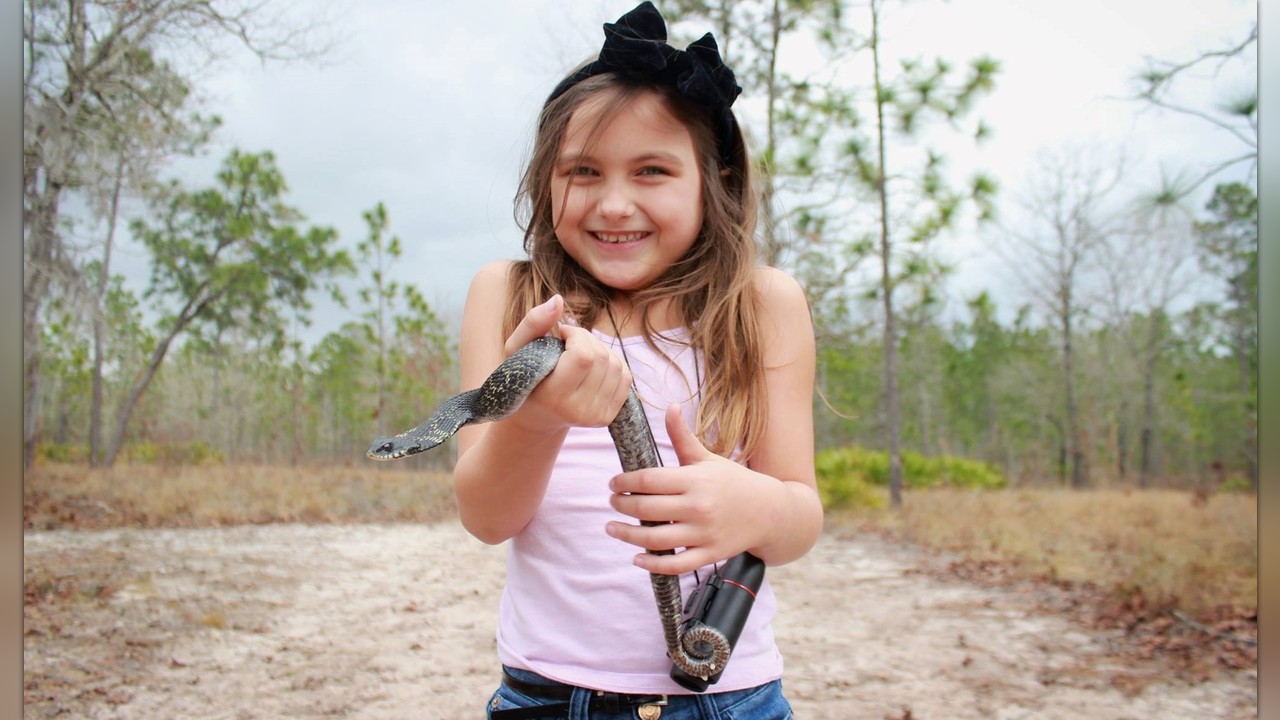
The Certified Junior Herpetologist program is a self-paced online course for young people who are already curious about reptiles and amphibians and want to understand them the way scientists do.
Written for strong readers in roughly the middle-school years, it covers what reptiles and amphibians are, how their bodies work, where they live, the dangers they face, and how to watch them safely and respectfully in the wild. Outdoor activities are designed to be done with a parent or another trusted adult, whom the course calls the student’s “adult partner.”
Students who finish the lessons, complete the fieldwork with their adult partner, and pass the open-book final exam with a score of 85% earn the Certified Junior Herpetologist certificate.
What Will You Learn?
- Explain what makes reptiles and amphibians different from each other and from other animals.
- Spot common myths about snakes, turtles, frogs, and lizards, and explain what is actually true.
- Describe the biggest dangers facing reptiles and amphibians and what people can do about them.
- Stay safe around wild animals and help others stay safe too.
- Observe animals the right way and record what you see so scientists can use it.
- Talk about reptiles and amphibians in a way that is accurate, respectful, and interesting.
Course Content
Start Here: Course Orientation
Welcome to the Certified Junior Herpetologist Program. Start here to learn how the course works, what you need, and how the outdoor activities work with your adult partner.
-
Welcome to the Certified Junior Herpetologist Program
-
How the Course Is Organized
-
Course Materials & Progress Tracking
-
Fieldwork: Safety, Ethics & the Law
-
Help, Accessibility & Accommodations
-
Completing the Course & Earning Your Certificate
Unit I: Introduction to Reptiles & Amphibians
Meet the main groups of reptiles and amphibians, learn what makes each one special, and clear up some of the biggest myths about them.
-
R-1.01: A Note About Herpetology
-
R-1.02: Turtles 101
-
R-1.03: Lizards 101
-
R-1.04: Snakes 101
-
R-1.05: Crocodilians 101
-
R-1.06: Frogs 101
-
R-1.07: Salamanders 101
-
R-1.08: Caecilians & Tuatara
-
R-1.09: Snake Myths & FAQs
-
R-1.10: Herps Save Lives!
-
Unit I Practice Quiz
Unit II: Living With Wildlife
How to live safely and kindly alongside snakes and other wildlife, what to do when you meet one, and why the animals almost always just want to be left alone.
-
R-2.01: Living Around Snakes
-
R-2.02: Snakebite Avoidance
-
R-2.03: Snakebite Treatment
-
R-2.04: Make Your Yard Friendlier for the Little Critters
-
R-2.05: Relocating Reptiles
-
R-2.06: Reptile Rescue & Removal
-
R-2.07: Watch for Wildlife on the Road
-
R-2.08: You’re Getting Too Close! (Defensive Displays)
-
R-2.09: Let Nature Take Its Course
-
R-2.10: How Do Most Snakebites Happen?
-
R-2.11: Do Snakes Actually Chase People?
-
R-2.17: Backyard Lizards & Garden Snakes
-
Unit II Practice Quiz
Unit III: Classification & Diversity
How scientists name and sort living things, why those names matter, and a tour of the strangest, biggest, and smallest herps on Earth.
-
R-3.01: A Bit About Names
-
R-3.02: Scientific Names
-
R-3.03: Species and Orders
-
R-3.04: Family Ties
-
R-3.05: Differences & Similarities
-
R-3.06: Miscellaneous Oddities
-
R-3.07: Giants Among Us
-
R-3.08: Life in Miniature
-
Unit III Practice Quiz
Unit IV: Biology, Physiology & Reproduction
How herp bodies work: staying warm, shedding, venom, scales, eggs, babies, and some of the strangest tricks in the animal kingdom.
-
R-4.01: Thermoregulation
-
R-4.02: Tail Autotomy
-
R-4.03: Ecdysis (Shedding)
-
R-4.04: Sexual Dimorphism
-
R-4.05: Hemipenes
-
R-4.06: Fangs
-
R-4.07: Rear-fanged Snakes
-
R-4.08: Venom
-
R-4.09: Venomous vs. Poisonous
-
R-4.10: Scales & Scutes
-
R-4.11: Amniotes & Anamniotes
-
R-4.12: Frog Life Cycle
-
R-4.13: Salamander Life Cycle
-
R-4.14: Amplexus
-
R-4.15: Hatching & Birthing
-
R-4.16: Parthenogenesis
-
R-4.17: Sex Determination
-
R-4.18: Snake Locomotion
-
R-4.19: Forked Tongues
-
R-4.20: Snakes and Swallowing
-
R-4.21: “Sticky” Feet
-
R-4.22: Hibernation & Aestivation
-
R-4.23: Tortoise Pee!
-
Unit IV Practice Quiz
Unit V: Natural History
Where herps live, when they are active, how they fit into food webs, and what happens when people or new species move in.
-
R-5.01: A Complex Web
-
R-5.02: Where Do Herps Live?
-
R-5.03: When Are Herps Active?
-
R-5.04: Adapting to Suburbia
-
R-5.05: Hidden in Plain Sight
-
R-5.06: Nonnative Species
-
Unit V Practice Quiz
Unit VI: Reptile & Amphibian Conservation Concerns
The real dangers facing herps, the people working to help them, and the many ways a young herpetologist can join in.
-
R-6.01: Herp Conservation
-
R-6.02: Habitat Loss
-
R-6.03: Commercial Collection
-
R-6.04: Amphibian Diseases
-
R-6.05: Snake Fungal Disease (SFD)
-
R-6.06: Systematic Eradication
-
R-6.07: Preservation Efforts
-
R-6.08: Habitat Management
-
R-6.09: Assurance Colonies
-
R-6.11: Citizen Science
-
R-6.12: Innovative Solutions
-
R-6.13: Excluders and Underpasses
-
R-6.14: Special Places
-
R-6.15: Knowing is Not Enough
-
Unit VI Practice Quiz
Unit VII: Reptile & Amphibian Observation: Ethics & Techniques
How to find herps, identify them, photograph them, and record what you see, all without harming the animals or their homes.
-
R-7.01: Ethical Conduct in the Field
-
R-7.02: Field Guides
-
R-7.03: Location, Location, Location!
-
R-7.04: Keep Locations a Secret
-
R-7.05: How NOT to Identify a Venomous Snake
-
R-7.06: Know Your Neighbors
-
R-7.07: Learning to Identify Herps
-
R-7.08: Take Nothing but Photos
-
R-7.09: Field Herping: Tips & Tricks
-
R-7.10: Field Herping: Tools
-
R-7.11: Decontamination Protocols
-
R-7.12: What is That Thing?
-
R-7.13: The Law and You
-
R-7.14: Make It Count!
-
R-7.16: Observation Records
-
R-7.17: Irresponsible Handling of Venomous Snakes
-
Field-herping Gear Rundown (Optional Video)
00:00 -
Unit VII Practice Quiz
Unit VIII: Scientific Methods
What herpetologists actually do, and how to think like a scientist, whether or not you ever become one.
-
R-8.01: Becoming a Herpetologist
-
How to Think Like a Scientist
-
Unit VIII Practice Quiz
Unit IX: Helping Out
What a young herpetologist can do right now: helping injured animals get to the right people, sharing what you know, and finding your local conservation community.
-
R-9.03: What Can You Do?
-
R-9.06: Wildlife Rehabilitation
-
R-9.08: Community Outreach
-
Unit IX Practice Quiz
Fieldwork & Applied Learning
Outdoor and research activities to do with your adult partner. Each one tells you exactly what to turn in.
-
F-1.01: Set Up iNaturalist With Your Adult Partner
-
F-1.02: Upload 15 Reptile or Amphibian Observations
-
F-2.01: Wildlife Journaling
-
F-2.02: Practice Recording Field Observations
-
F-3.01: Five Upland (Drier-Habitat) Observations
-
F-3.02: Five Lowland (Wetter-Habitat) Observations
-
F-4.01: Make a Local Species List for One Group
-
F-5.01: Find the Species in Trouble Where You Live
-
F-5.02: Research One Species in Trouble
-
F-6.01: Find Out Who to Call
-
F-7.01: Find Places to Watch Wildlife
-
F-7.02: Look Up the Rules for Two Sites
-
F-8.01: Look Up the Wildlife Laws Where You Live
-
F-9.01: Find Local Conservation & Nature Groups
-
F-9.02: Volunteer Three Hours (Optional)
Final Exam & Course Completion
The open-book final exam and the last steps to your certificate.
-
Certified Junior Herpetologist Final Exam
Earn a certificate
Receive an elegant certificate upon completion.

Student Ratings & Reviews

No Review Yet