Meet the instructor
Micha R. Petty
Author, naturalist, educator, and lifelong student of reptiles and amphibians.
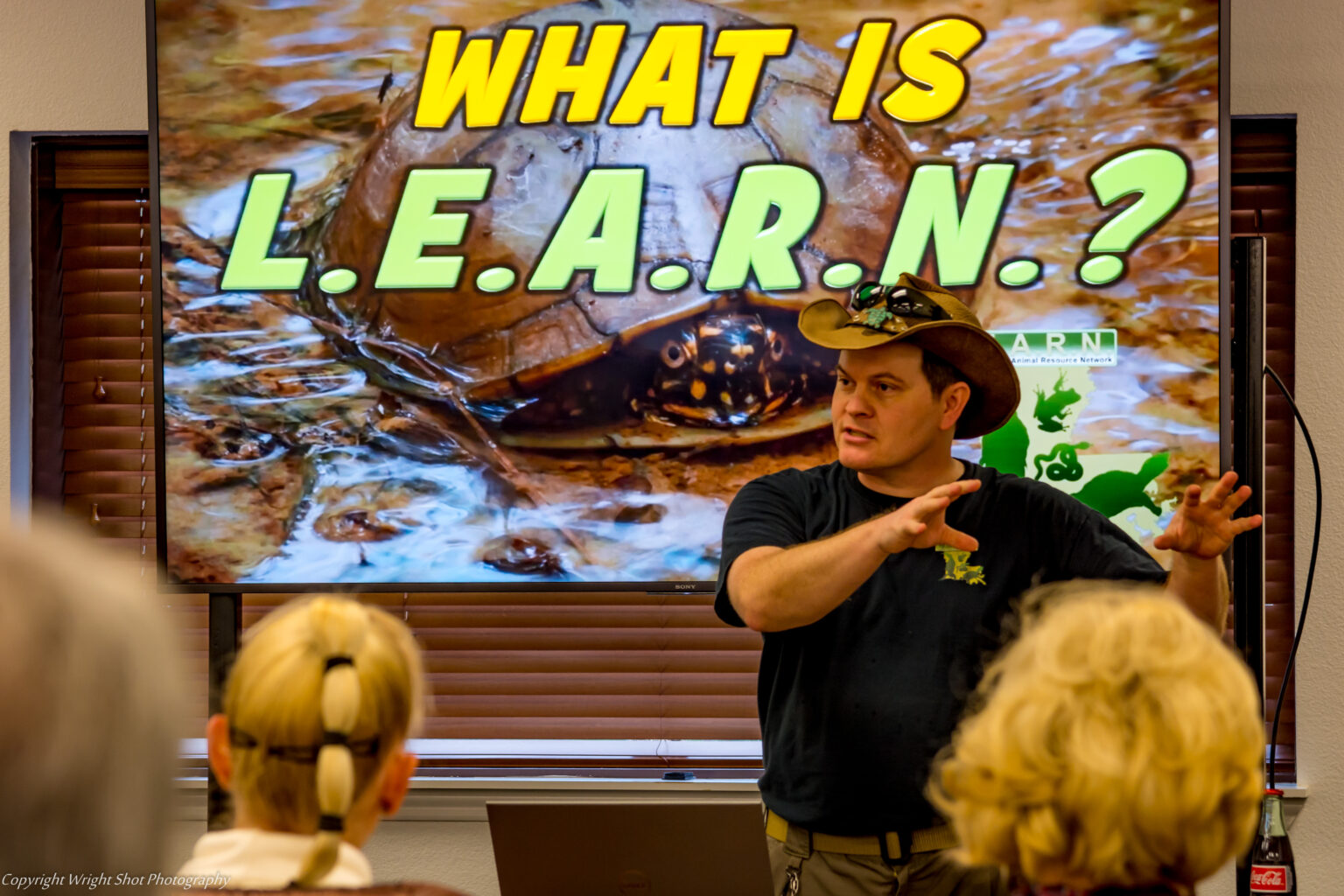
Micha Petty is the founder and chief instructor of The Herpetology Collective, a Louisiana Master Naturalist, wildlife interpreter, and the author of A Primer on Reptiles & Amphibians.
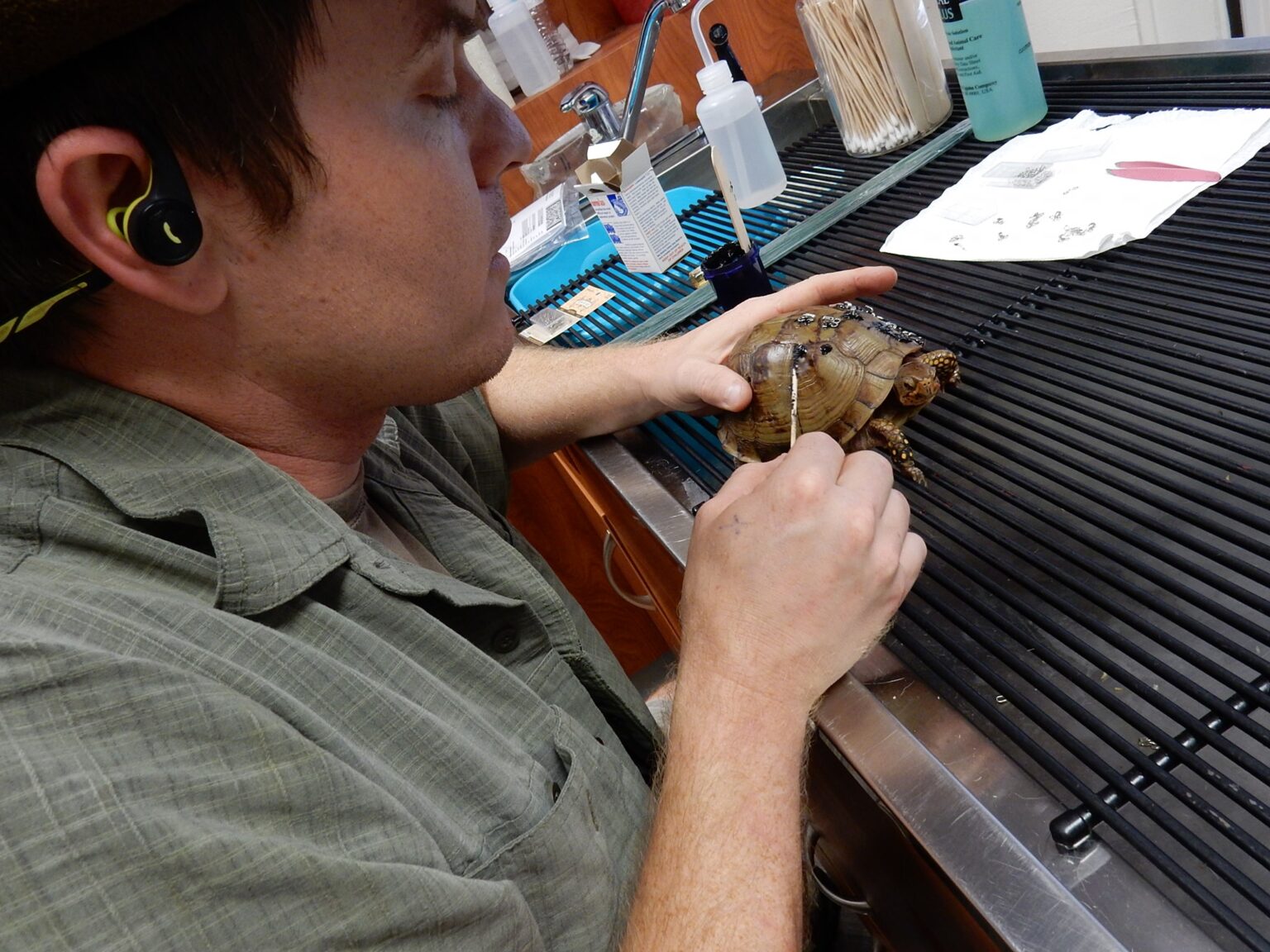
For more than four decades, he has studied reptiles and amphibians through field observation, animal care, wildlife rehabilitation, scientific literature, collaboration with subject-matter experts, and thousands of conversations with people trying to understand the animals around them.
Micha founded The Herpetology Collective to make sound herpetological education more reachable — not only for aspiring professionals, but for naturalists, animal caregivers, educators, young people, citizen scientists, and anyone who has ever stopped to wonder about a frog, turtle, lizard, salamander, crocodilian, or snake.
If I were still teaching herpetology, the Primer would be required reading for all students, both graduates and undergraduates.
At a glance
Where he serves, and what the work has produced.
Current
- Founder and chief instructor, The Herpetology Collective
- President, Louisiana Exotic Animal Resource Network (LEARN)
- Louisiana Master Naturalist and wildlife interpreter
- Founder and moderator of public herpetology identification and natural history communities with more than a million users
Selected recognition and work
- Author of A Primer on Reptiles & Amphibians: A Collection of Educational Nature Bulletins (2019), reviewed in Herpetological Review, the peer-reviewed publication of the Society for the Study of Amphibians and Reptiles
- Recipient of the International Herpetological Symposium’s Joseph Laszlo Memorial Award (2018)
- Developer and instructor of public and Master Naturalist herpetology workshops
- Decades of experience in field herpetology, reptile husbandry, rescue, public education, and online community learning
A truly extraordinary and exceptional website and a most remarkable effort to put this amount of herpetological information together. I commend Micha’s thorough dedication to the teaching and welfare of herps.
In more detail
The longer story
A practical and cumulative path into herpetology
Micha began observing reptiles and amphibians as a child and has now spent more than four decades finding, identifying, photographing, caring for, and learning from them. His experience includes field herpetology, reptile and amphibian husbandry, wildlife rehabilitation, animal rescue, public outreach, environmental interpretation, and the development of educational communities both online and in person.
That experience matters — but experience by itself does not guarantee accuracy. Micha’s work is grounded in published science and strengthened through collaboration, review, and a willingness to revise when better evidence becomes available. He aims to distinguish clearly between what research supports, what remains uncertain, and what is drawn from practical experience.
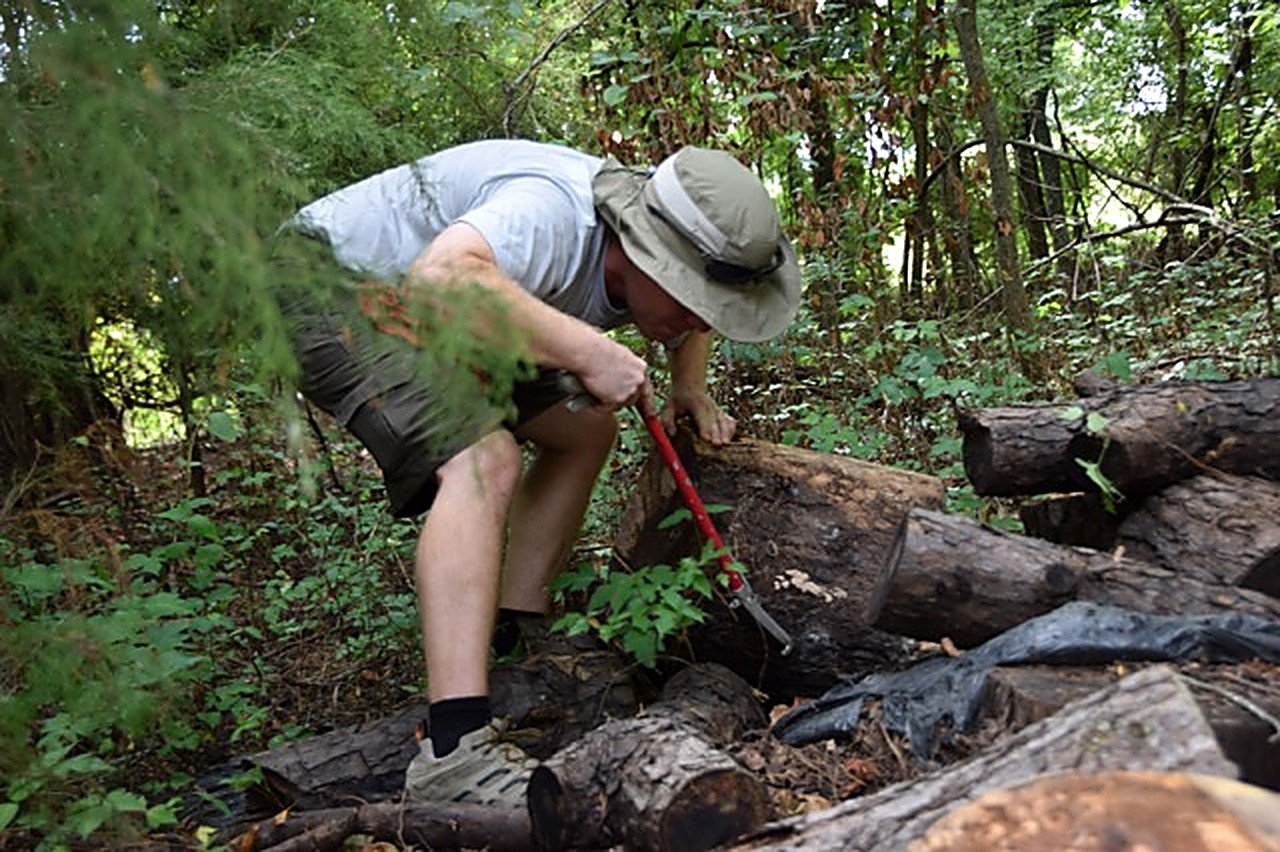
The goal is not to make Micha the final authority in the room. It is to help learners understand the evidence, recognize reliable sources, ask better questions, and develop informed judgment of their own.
A Primer on Reptiles & Amphibians
Micha is the principal author and designer of A Primer on Reptiles & Amphibians: A Collection of Educational Nature Bulletins. The book brings together accessible, illustrated lessons on reptile and amphibian biology, natural history, coexistence, observation, conservation, scientific practice, and animal care.
The project was developed with the participation of scientists, veterinarians, wildlife professionals, educators, photographers, and other specialists. It includes a foreword by herpetologist Brian I. Crother, Ph.D., and was edited by Joseph C. Mitchell, Ph.D.
The Primer was subsequently reviewed in Herpetological Review, the peer-reviewed publication of the Society for the Study of Amphibians and Reptiles. Writing there, Jennifer A. Sevin of the University of Richmond concluded that the book fills a gap in the herpetological literature.
The Primer has also drawn endorsements from herpetologists and educators including Harry W. Greene (Cornell University), Leslie V. Boyer (VIPER Institute), Stan Trauth (Arkansas State University), and Whit Gibbons (University of Georgia).
Micha chose to make a complete digital edition available without charge because useful conservation knowledge does more good when people can reach it. Read the Primer.
Recognition for public herpetology education
In 2018, the International Herpetological Symposium selected Micha to receive the Joseph Laszlo Memorial Award, which recognizes work representing “new and exciting views and advances in herpetology.” He received it for his educational and outreach work, including the development of the Primer.
Its list of recipients includes zoo professionals, veterinarians, researchers, conservationists, and authors. For Micha, the award was especially meaningful because it recognized something central to his work: making herpetological knowledge understandable and useful outside traditional academic settings.
Conservation Through Education
People protect what they have learned to value.
Micha’s work is organized around a simple premise: people are more likely to value and protect the parts of the natural world they have learned to notice and understand.
That has led him to teach in many different settings — developing and leading herpetology and snake-identification workshops; presenting for children, adults, naturalists, nonprofits, and community groups; leading ethical field-herping and wildlife-observation activities; producing interpretive articles, videos, infographics, and reference materials; providing snake identification and human-wildlife conflict guidance; participating in wildlife festivals and public outreach events; supporting citizen-science participation; and appearing in more than fifty news and television segments about wildlife, rescue, and environmental education.
A good deal of how Micha teaches was shaped by moderating public herpetology communities — collectively more than a million users — devoted to identification, natural history, animal care, and conservation. In that setting the same questions arrive thousands of times, usually from people with no background in the subject and often while an animal is in front of them. That work is where the emphasis on plain language, visible reasoning, and answering the question actually being asked comes from.
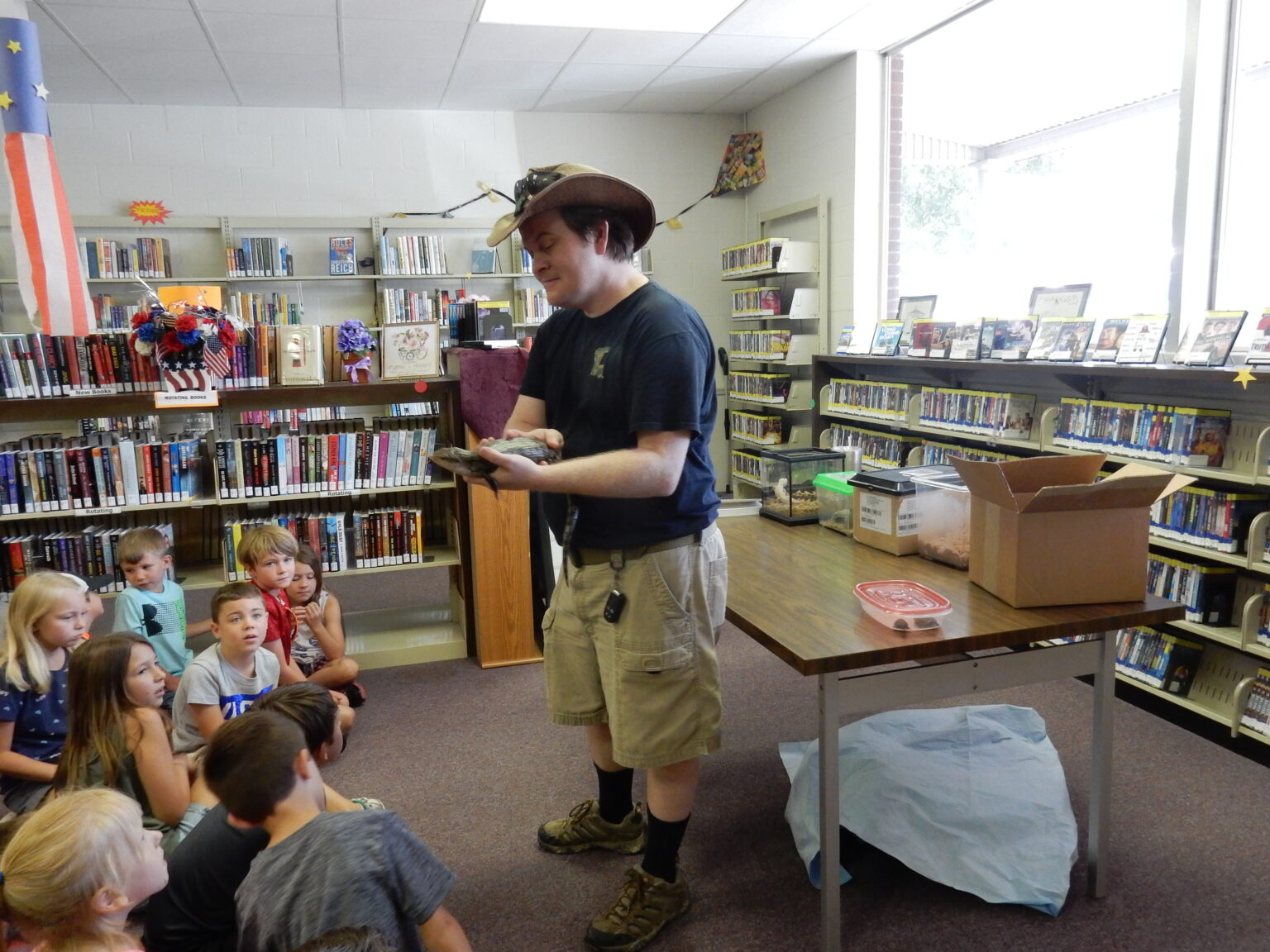
Across these formats, the purpose remains the same: reduce misinformation, replace unnecessary fear with usable understanding, and help more people become thoughtful stewards of the natural world.
This volume does a huge service for reptile and amphibian conservation, and for humanity.
How Micha approaches teaching
Ways of seeing, not lists to memorize
His courses are designed to preserve the real complexity of herpetology while giving learners manageable ways into it. Terms are explained. Reasoning is made visible. Students are encouraged to consult references, question claims, correct misunderstandings, and return after interruptions without penalty.
Accuracy matters. So do context, accessibility, curiosity, and the confidence to keep learning.
The purpose is not simply to memorize facts or repeat an instructor’s conclusions. It is to develop ways of seeing: noticing relationships, recognizing uncertainty, evaluating evidence, and understanding how individual animals fit into larger ecological and human systems.
Different learners may move through that process at different speeds or use different routes. That variation is not a failure of seriousness. The important question is whether the learning remains meaningful and the essential purpose is preserved.
Selected leadership and service
Organizations he has served
Micha’s current and previous work has included leadership, outreach, educational, and communications service with organizations such as:
- The Herpetology Collective
- Louisiana Exotic Animal Resource Network
- Louisiana Master Naturalist Association
- Louisiana Master Naturalists Northwest
- Friends of the Red River National Wildlife Refuge
- Society for Amphibian and Reptile Education
- International Wildlife Rehabilitation Council
- Scouting America — Reptile Advisory Council
Because organizational roles and memberships change over time, this list reflects long-term involvement rather than a set of currently held titles. Current roles appear in the summary above.
Still learning
“We do not know yet” is part of the job
Herpetology is an enormous and continually changing field. New research appears, taxonomies change, conservation circumstances shift, and observations raise new questions. Responsible education requires not only accumulated knowledge but also a continuing willingness to check, update, and sometimes say, “We do not know yet.”
Micha remains most interested in helping people learn how to learn — and in the animals close enough to observe directly.
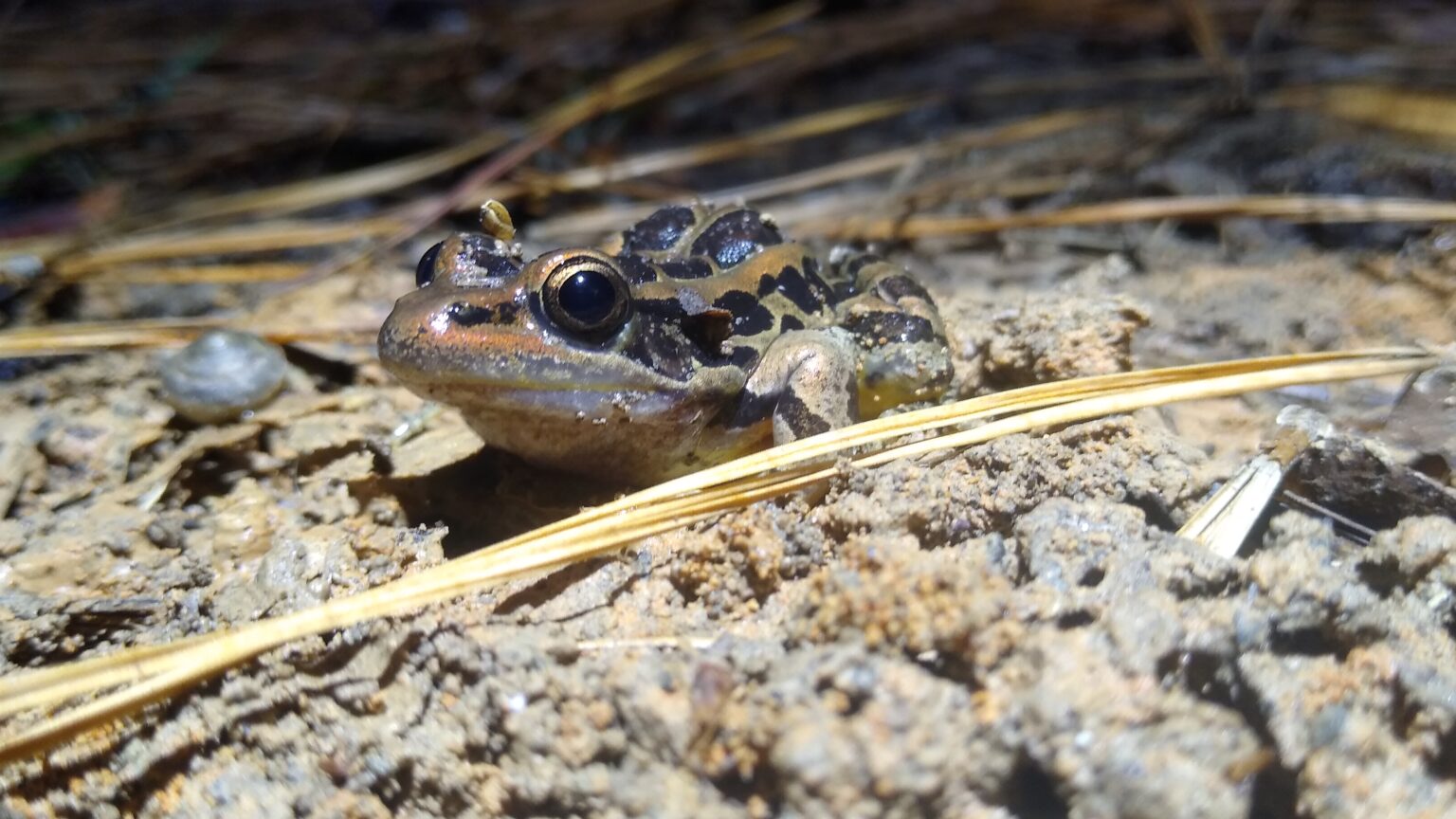
Asked to name his favorite reptiles or amphibians, his answer remains much the same as it was years ago:
Whichever ones happen to be in his own backyard.
Learn with Micha
Whether you are building professional knowledge, beginning a lifelong interest, supporting a young naturalist, or simply trying to understand the animals around you, you are welcome here.
You do not need to arrive already knowing the language of science. You only need somewhere useful to begin.