Evidence-led learning
Clear explanations grounded in science, evidence, and careful reasoning.
Conservation Through Education
Become a better steward of the natural world with science-based learning that is understandable, memorable, and useful, without stripping away scientific rigor.
Clear explanations grounded in science, evidence, and careful reasoning.
Flexible pacing, manageable lessons, and meaningful alternative routes.
Ethics, observation, communication, and stewardship are woven throughout.
Flagship course
A serious but approachable, self-paced foundation in reptile and amphibian biology, natural history, conservation, ethical observation, research, recordkeeping, citizen science, and public communication.
The rest of the catalog
Three are open now, one of them free. The others follow the same approach at different levels and for different work.
Free
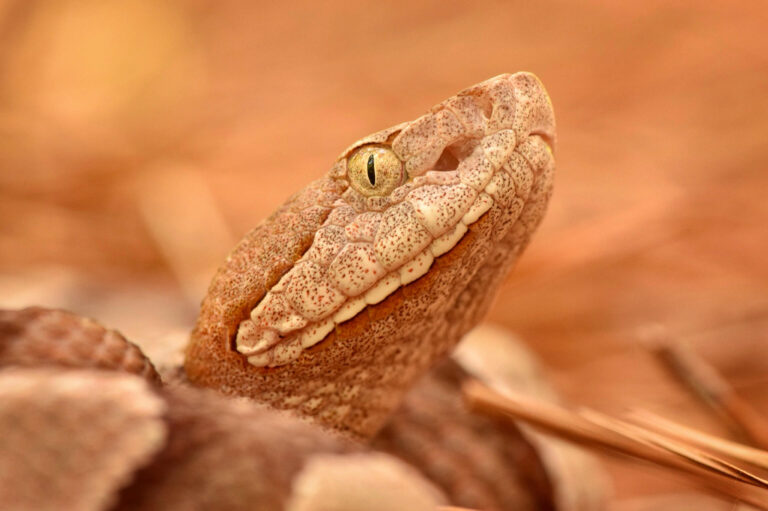
The myths, the biology, why identification rules fail, and what to actually do.
Self-paced · about 5 hours · Free
Start the free course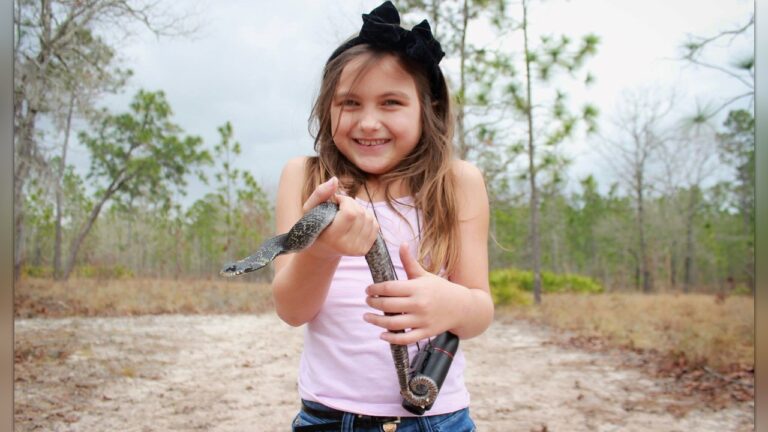
Open for enrollment
The certification track written at a younger reading level, with adult-partnered fieldwork.
Self-paced · about 30 hours
See the course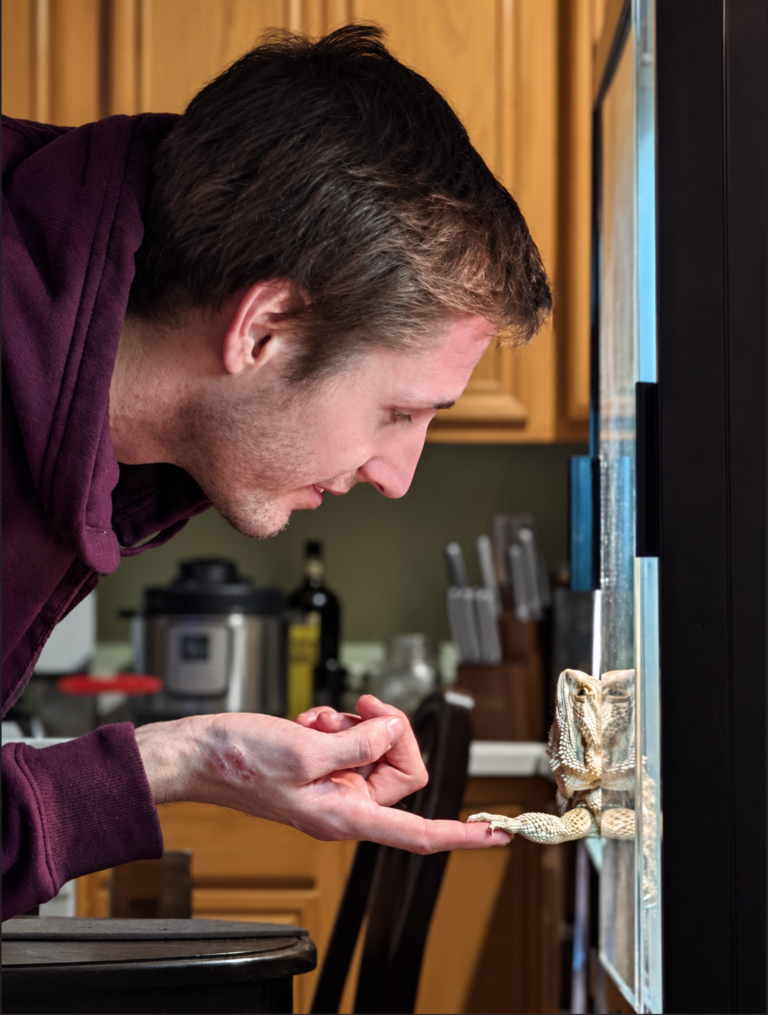
Coming soon
Science-based care for reptiles and amphibians in human care.
Self-paced · about 8 hours
See the catalog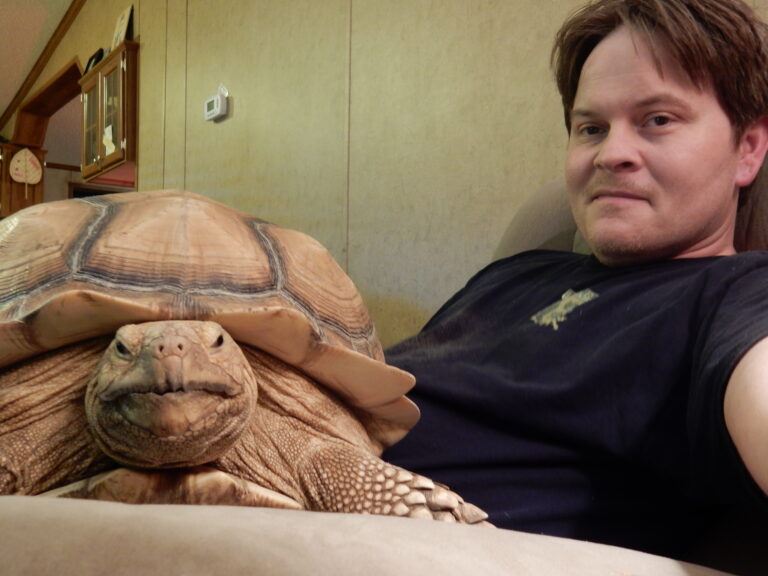
Coming soon
What it takes to run a reptile and amphibian rescue, and whether it is a path you want.
Self-paced · about 6 hours
See the catalogA larger picture
Reptiles and amphibians are often surrounded by fear, folklore, and oversimplified rules. Better information changes how people respond, observe, contribute, and speak up.
Build useful mental models instead of memorizing disconnected facts.
Connect lessons to animals, habitats, and conservation questions around you.
Practice research, recordkeeping, ethical decisions, and conservation participation.
Replace fear and misinformation with explanations people can actually use.
In their words
Three of them, in the middle of the work rather than at the end of it.
“Connor and I just got to the Oak Mountain State Park interpretive center for our volunteer hours. So excited. Thank you so much for the course we are having a blast with it!”— Erin M.
“This is a fun course. I am enjoying working through it as a complement to my Master’s degree. It’s unrelated, so taking a break from that to learn about herps is fun!”— Martha A.
“I’ve only started on this course but it’s great! And the book is PHENOMENAL. I’ve read it cover to cover, several times. And I thought I was a reptile person before!”— Carrie P.

Free resources and learning tools
You should not have to enroll in a course before reliable, approachable information can help you understand the animals around you.
A richly illustrated, bulletin-based textbook connecting biology, behavior, conservation, field ethics, and everyday wildlife encounters. The digital edition is free.
Read or download the PrimerLonger-form articles about wildlife, conservation, scientific thinking, and the ways people make sense of the living world.
Read The Natural WorldClassroom-style explanations, field observations, and public-facing herpetology and conservation material.
Visit the YouTube channelScientific societies, government agencies, conservation organizations, biodiversity databases, field ethics, and animal-help references.
Explore the resource directoryBuilt to be finishable
If a standard activity creates a barrier because of disability, neurodivergence, chronic illness, location, transportation, safety, technology, or another circumstance, we will do our best to identify an alternative that preserves the learning objective.
Cost is a barrier like any other. Tuition assistance may be available; contact us to discuss your circumstances.
Stay in the loop
Get occasional news about courses, workshops, events, the store, and free resources. You can unsubscribe at any time.